On 5 August, Estun, China’s leading industrial-robot maker, said it would buy 100 per cent of Estun Cube for 487 million yuan, about 68 million US dollars, in cash through a subsidiary. The deal is a related-party transaction: Cube’s largest outside shareholder is Estun’s own controlling holder, with 39.07 per cent.

What makes investors uneasy is the premium. Cube’s net asset value was just 48.65 million yuan at 30 April 2026, but the assessed value reached 487.1 million, a 901.2 per cent uplift. The valuation uses a market method that prices future potential and market position, not today’s book assets.
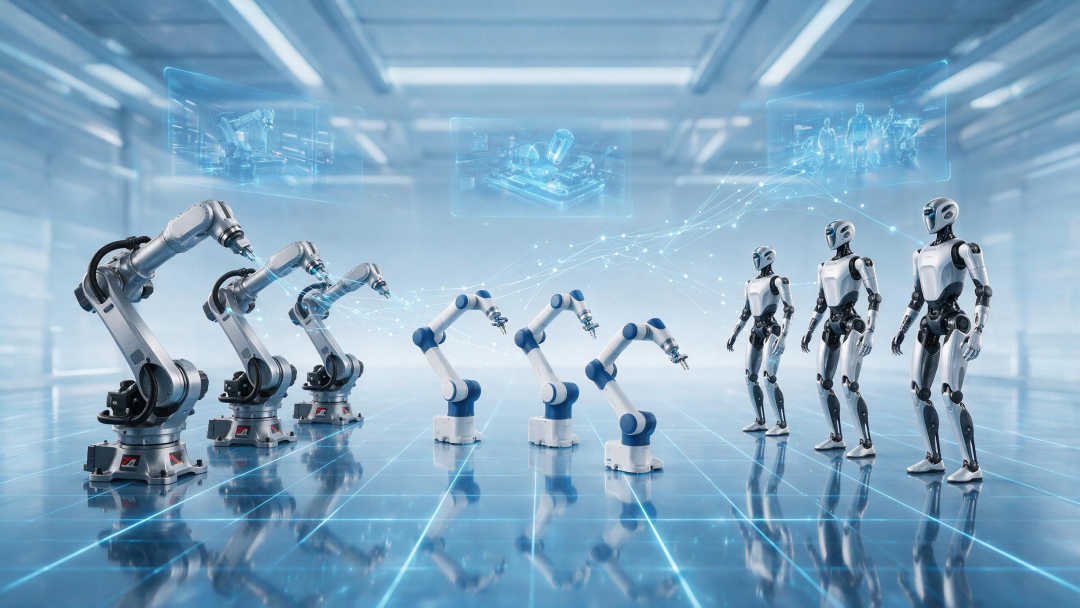
Cube, founded in 2022, is still loss-making, with losses of 36.1 million yuan in 2024 and 53.0 million in 2025. But in three years it built two generations of humanoids, 17 high-end collaborative robots and four composite mobile robots.

The strategic logic is a missing piece. Estun’s strength is heavy-load industrial robots, where 2025 shipments led all domestic brands at over 30,000 units. Cube focuses on collaborative and embodied robots with 3 to 35kg loads for autos, home appliances and electronics. The deal builds a full-scene layout across heavy, light and embodied machines, a play to buy time with capital.
To balance the premium, the deal sets earn-out targets: Cube must deliver cumulative revenue of at least 620 million yuan from the second half of 2026 through 2029, and its cobot segment must post at least 66 million yuan in cumulative net profit. That is a stretch, since 2025 revenue was only 50.17 million yuan.
The risks are real. Estun already carried 994 million yuan of goodwill at the first quarter of 2026, and the deal adds more. If Cube misses its targets, the write-down hits the listed company’s profit directly. Integration, talent retention and related-party competition are further open questions.
In a local-substitution wave where Estun sits at the top of China’s robot makers, the acquisition is a bet to secure a moat in the embodied era. Whether the 901 per cent premium pays off may not be clear until the earn-out ends in 2029.
Editor’s note: This is a translated adaptation of a Chinese-language report from OFweek Robotics (robot.ofweek.com). Figures, dates and direct quotations are reproduced as published.