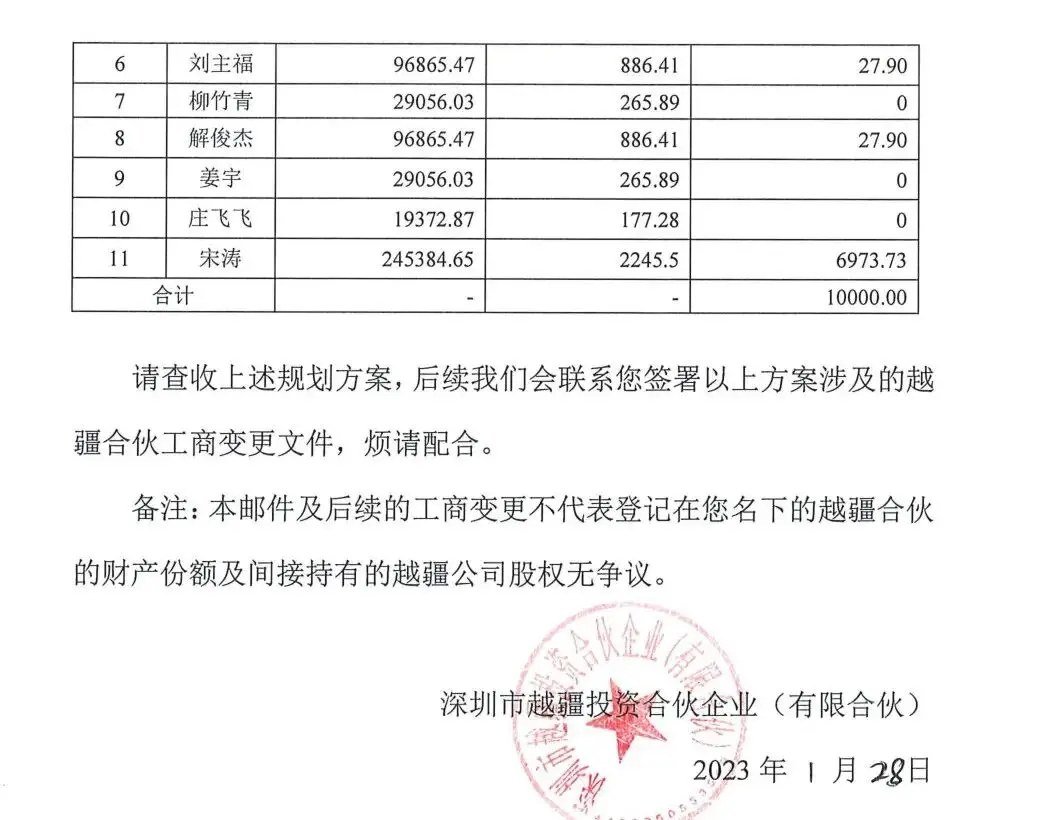
On 17 July a whistleblower letter wiped more than 12 per cent off Dobot’s Hong Kong shares in a single day. Song Tao, who describes himself as a co-founder and former chief operating officer, accused the collaborative-robot maker of hiding a stake dispute in its A-share prospectus.
The claim is specific. Song says a January 2023 document entitles him to 69.74 per cent of an employee share platform. The filing shows 22.46 per cent. The 47.28-point gap, measured against July’s 10.2 billion Hong Kong dollar market value, is worth over 100 million Hong Kong dollars.
Two sides, one number
Dobot rejects the account. It says Song joined in October 2017, not as a founder, and must return his shares after leaving in 2021, a case the company says is already in court. Song counters that his role began in 2015 as a part-time operator of daily business and that his stake predates the employee incentive plan. He also says the company wrongly claimed there was no pending lawsuit because the dispute falls under arbitration, not the courts.
The IPO review passed anyway. Regulators asked about the 2028 profit target but did not directly question the whistleblower complaint. For a company sprinting toward a mainland listing, the real hazard is not the dispute itself but the stain on disclosure.
A business under the spotlight
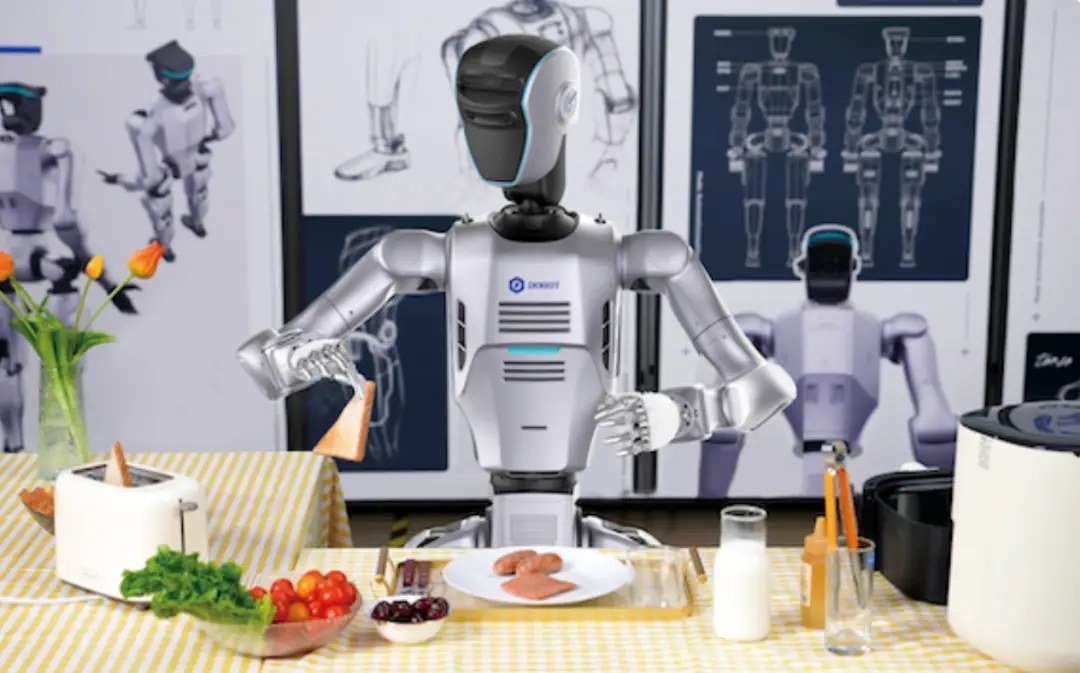
Behind the fight is a genuine industrial story. According to CIC consultancy data, Dobot ranked first in the world in collaborative robots in 2025 with a 13.2 per cent share. Collaborative and embodied robots supplied more than 80 per cent of revenue, with six-axis models alone above 60 per cent. Cumulative installs passed 100,000 units, shipped to more than 100 countries, serving over 80 Fortune 500 firms including Toyota, Mercedes-Benz and CATL.
The product price tells a harsher tale. The six-axis collaborative arm fell from 56,600 yuan in 2023 to 38,200 yuan in 2025, a drop of more than 30 per cent in two years. Revenue rose from 287 million yuan to 493 million across 2023 to 2025, but the company lost 103 million, 95 million and 84 million yuan in those years, a cumulative 280 million yuan in the red.
Spend on selling, not just building
The cost structure stands out. Research spending grew to 115 million yuan in 2025, in line with a hard-tech profile. Sales spending was higher still at 170 million yuan, about 1.5 times R&D and 35 per cent of revenue, well above peers. The company says the global footprint demands a large sales service team. The market asks when the strategy turns profitable.
Dobot has set a 2028 target to reach net profit, on forecast revenue of 1.72 billion yuan, meaning more than triple the 2025 base in three years. It warns that a 5 per cent revenue miss or a 3-point margin miss would push that to 2029. With the humanoid business still in early spend, the goal carries real uncertainty.
Raising while sitting on cash
The mainland IPO seeks about 1.2 billion yuan, a quarter of it for working capital. Yet Dobot’s cash grew from 113 million yuan in 2023 to 2.22 billion in 2025, and it raised roughly 2.5 billion Hong Kong dollars net across its Hong Kong listing and two placements within a year. Much of the surplus sits in fixed deposits. The need to raise more, while flush with cash, is the question investors keep asking.
A whistleblower letter, a falling share price, a deflating product price and a funding plan that invites scrutiny: Dobot’s return to the A-share market is a test of governance as much as robotics.
Editor’s note: translated and adapted for RobotBelt from OFweek Robotics. Read the original report here.