Elon Musk wants to put AI data centres in orbit. A Chinese energy company has already put one in the Gobi desert, and it is running on 100 per cent green power today.
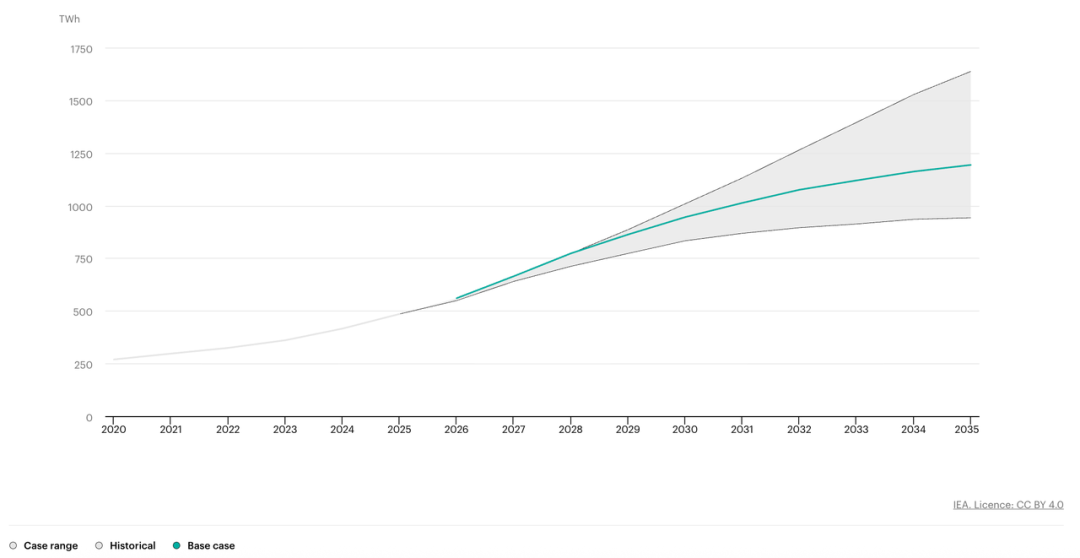
SpaceX raised 75 billion dollars in its listing, a record for a first round, and by the third trading day it had become the fourth-largest listed company in the world. That deal made Musk a trillionaire on paper. It also came with an unusually blunt admission buried in the prospectus: more than 90 per cent of the company’s future addressable market depends on AI, and AI is being throttled by a shortage of electricity on Earth.
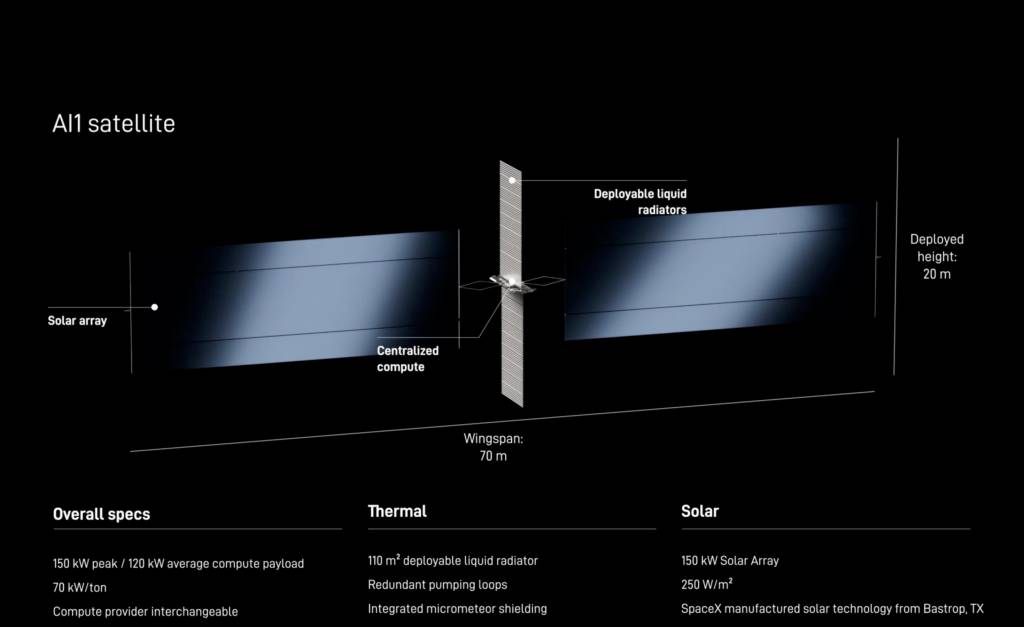
Musk’s answer is to leave. Put the data centres in orbit, harvest free sunlight and stop competing with households for grid capacity. Space-based solar arrays can yield more than five times what the same area collects on the ground.
Investors have started to test that story. SpaceX shed 400 billion dollars of market value in a single session shortly after listing, the second-largest one-day wipeout in US market history.
The maths on orbit does not close yet
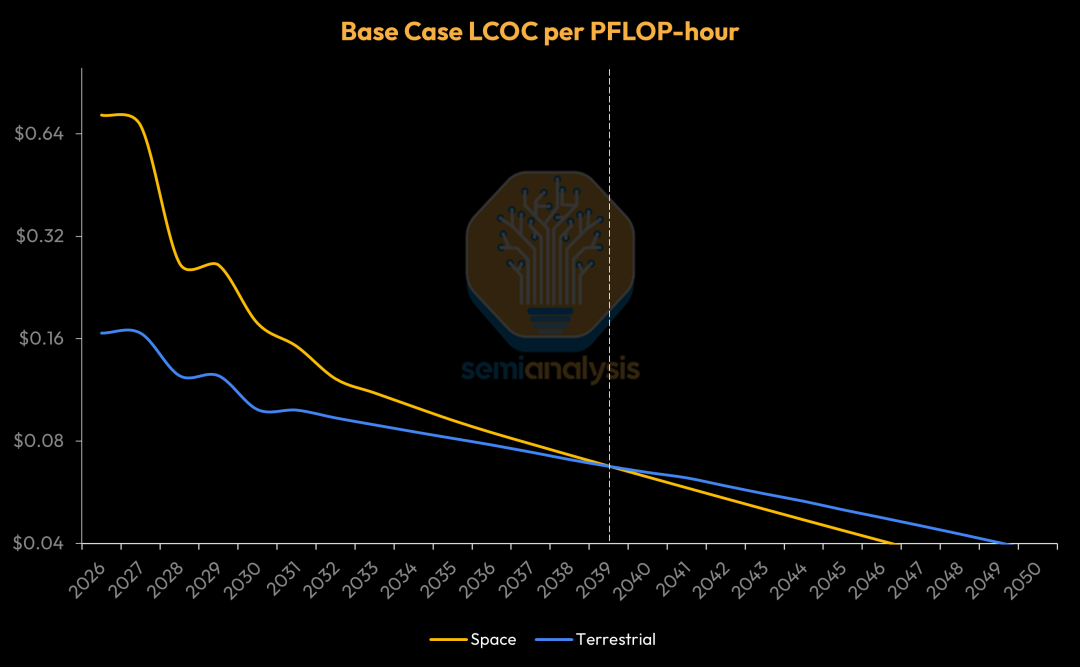
Research firm SemiAnalysis put numbers on the idea in a report titled To Boldly Go: The Case for Space Datacenters. Its finding: in 2026 the cost gap between an orbital data centre and a ground-based one is more than four times, and the crossover point does not arrive until around 2040. Even on an aggressive build schedule, cost parity lands somewhere after 2030.
Orbital photovoltaics need higher-grade materials and structural reliability. On top of the panels sit satellite manufacturing, launch, radiation-hardened silicon, thermal rejection in vacuum and ongoing operations. Musk has said he wants 1 GW of orbital AI compute deployed by the end of 2027. His record on Tesla full self-driving, on Optimus volume production and on the 4680 cell ramp suggests the market should price in some slippage.
China has the same power problem, and a different fix
The constraint is not uniquely American. China has an unusually capable grid and still faces it. AI data centres cluster in the wealthy eastern provinces where power is tightest. The national East Data West Computing programme was designed to move that load inland, but long-distance transmission carries physical losses and the cross-region cost drags on returns.
Policy has tightened the squeeze. Under China’s dual-carbon targets, coal-fired supply is not a durable answer, and new rules now require AI data centres at national hub nodes to draw at least 80 per cent of their electricity from green sources.
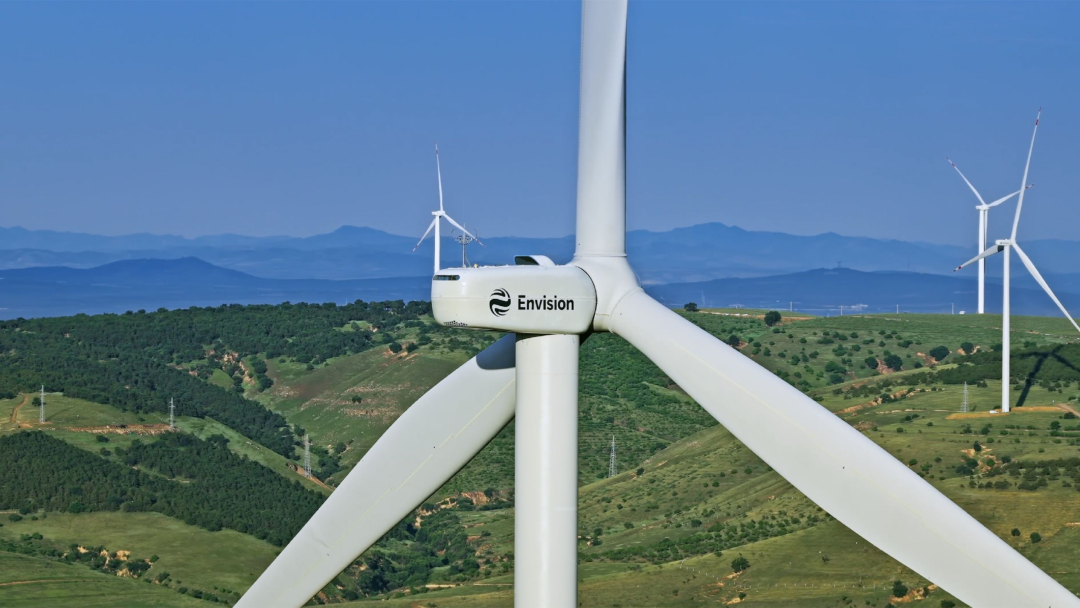
At Viva Tech in Paris in June, alongside President Macron, Amazon’s Jeff Bezos and Alibaba’s Joe Tsai, Envision Energy chairman Zhang Lei announced Mission Gobi, known in the industry as GobiX. The plan is to build 5 GW of green AI compute in desert regions worldwide by 2030, using the wind and solar resource where it is generated.
“When the storm of AI computing sweeps the world, the traditional grid can no longer carry this shift,” Zhang said. “Envision starts from the Gobi and takes the AI power system global, a Chinese answer to the electricity bottleneck of the AI era.”
Why deserts are an energy asset
Gobi terrain is stone and sand with no vegetation cover and very high irradiance, which makes it a natural site for utility-scale solar. Wind density is high year round. One estimate holds that turning just 1 per cent of China’s desertified land over to renewables would add more generating capacity than the country’s entire installed base today.
Siting the data centre at the point of generation removes the transmission penalty and takes the political risk out of competing with residential demand. The problem is intermittency. Wind swings, solar stops at night, and an AI cluster needs stable power around the clock.
Envision’s approach treats generation, storage, grid, power electronics, compute and models as one designed system rather than five procurement decisions. Its AI power system runs in three layers. A forecasting brain, built on the Tianji weather model and the Tianshu energy model, predicts output and times storage charge and discharge to arbitrage the spot market. A network layer, the in-house EnOS operating system, connects hundreds of millions of devices across turbines, panels, storage, transformers and electrolysers. A hardware layer supplies integrated wind-solar-storage controllers, high-voltage direct current, solid-state transformers and smart racks.
The Inner Mongolia template
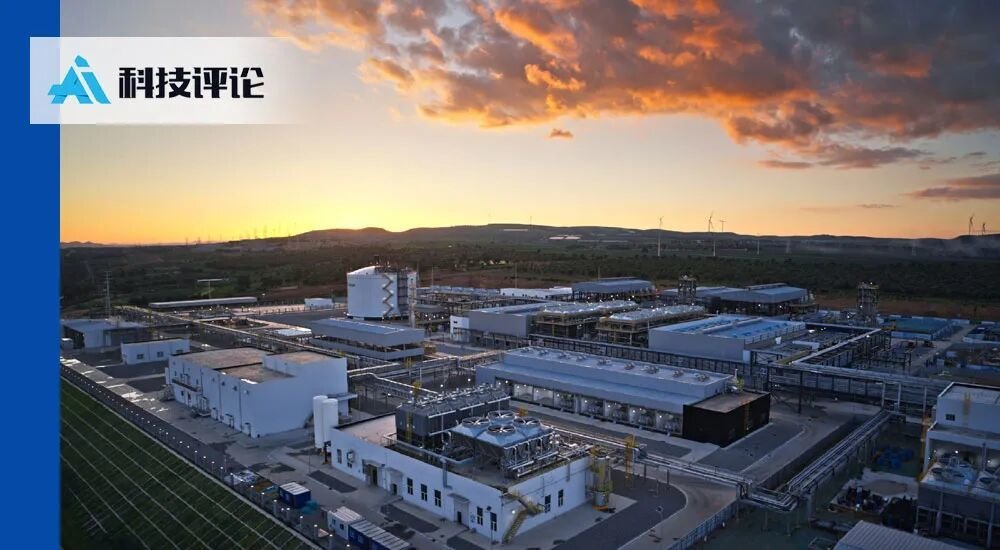
In Chifeng, Inner Mongolia, Envision and Tencent built what they describe as the world’s first system-level compute-and-power coordination project, and the first AI data centre supplied entirely by directly connected green power. Total energy cost fell by more than 40 per cent and the site cuts 180,000 tonnes of carbon dioxide a year.
The same site hosts the largest green hydrogen and ammonia project in the world. One AI power system runs the whole chain from wind and solar generation through electrolysis, air separation and ammonia synthesis, adjusting output across a wide range within five minutes to track what the weather delivers.
A second gigawatt-class energy and compute campus, Envision Galaxy Base, is already up in Ulanqab. Generation forecasting, millisecond storage response and compute-cluster task scheduling all close inside a single control loop.

Two answers to the same bottleneck
Coal drove the first industrial revolution. In this one the GPU is the engine and electricity is the input that comes out as inference. Models and chips get the coverage. Power decides how much of either you can actually run.
Musk is reaching for orbit. Envision is packaging zero-carbon industrial parks it can replicate from the Sahara to the Arabian desert, from the Kyzylkum to the Taklamakan, from the Great Basin to Patagonia. Both are bets on the same shortage. Only one of them is already metered.
More from the original report
Editor’s note: This is an adapted translation of the original LeiPhone report. It has been trimmed and restructured for readability for an international business audience.