The large model is quietly becoming the operating system of the company itself.
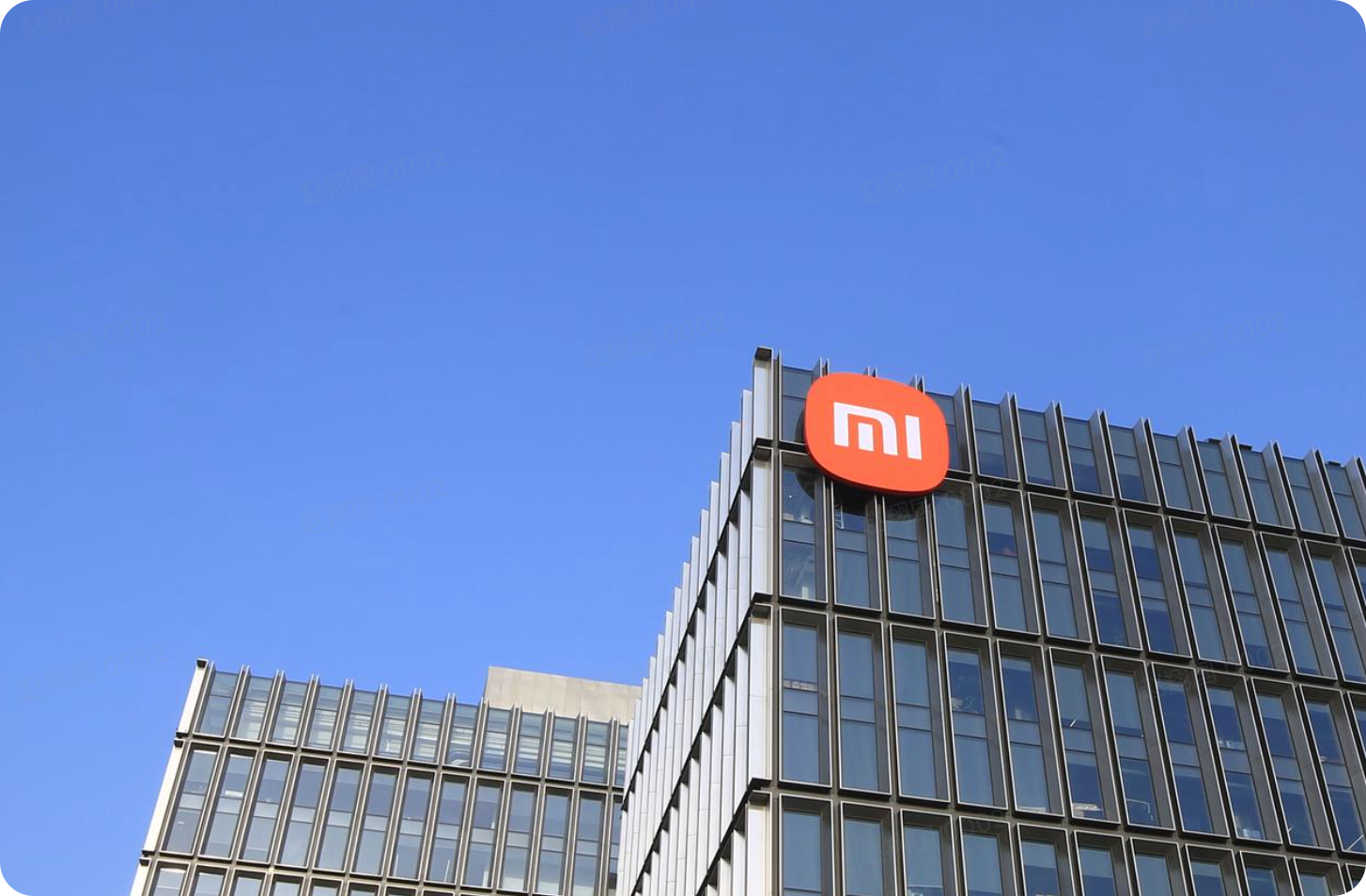
Xiaomi recently reorganised XiaoAI and its AI business. The near-decade-old product is shifting from a standalone team to one backed by a base-model team, a cloud engineering team and an on-device OS team. Reporting indicates the MiMo base-model team led by Luo Fuli supplies the underlying capability; Luan Jian handles cloud engineering on XiaoAI; on-device work moves to the phone and other OS teams. Wang Gang, the former XiaoAI lead, has moved on.
MiMo must not remain an “optional model”. As a core long-term strategy it has to reach phones, cars, home, wearables and robots, becoming a base layer every business line can call. Xiaomi’s businesses sit across many terminals and systems; if each builds its own AI, the result is a car assistant, a phone assistant and a home assistant that do not speak the same language, and the “human-car-home” ecosystem falls apart.
An internet-style flywheel
Xiaomi’s internal internet culture, with frequent cross-team communication, lets it muster resources fast once a target is clear. That matters for MiMo’s loop: a base model becomes a real base layer only when business teams feed scenario data, user feedback and real call chains back into the model system. The binding cuts both ways. MiMo must prove it can meet phones, cars and IoT on stability, latency, cost and security, while business teams accept deeper coordination. That cost is the price of a self-built base model.
Only with that loop does building a base model pay off. Without it, MiMo becomes an expensive project drifting from the business.
Why build a base model at all
The phone industry holds a consensus that makers need not build base models; better to do on-device work and plug into external models. The logic is real: training, inference, talent and compute are long-term costs, and hardware firms’ cash flows rarely sustain an internet-scale spending war.
But phone makers have long sold hardware while profiting from pre-installed software, app stores, browsers, ads and search. AI agents upend that. When users simply tell an agent a task, the app-store search, browser entry and ad feed are compressed. The agent calls the service and returns the result. One insider expects agent-to-agent collaboration: Xiaomi’s agent understands intent and hands part of a request to Tencent, Alibaba, Meituan, Ctrip or Douyin agents. But Tencent will not let MiMo call WeChat’s core interface, and Xiaomi will not let outside agents control its hardware. Behind model collaboration is corporate value split; who holds the user entry, the data and the fulfilment owns the louder voice.
A hardware maker without its own agent becomes a chassis under someone else’s intelligent entry, letting external models decide what service to show, which platform to call, how to rank and how to charge. Xiaomi needs an intelligent entry that represents its ecosystem. Even if MiMo is not the biggest or top-scoring model, as long as it plays the agent inside Xiaomi’s ecosystem it protects the firm’s future position in service distribution.
The early Xiaomi-Huami spat over health-data ownership is a warning. The same fight will recur more often across AI, cloud, IoT and cars. Xiaomi’s MiMo spend looks costly now with uncertain return, but seen against the agent reshaping entry and value, it may be the most strategically far-sighted bet Xiaomi has made in the AI era.
Editor’s note: This is an adapted translation of the original Leiphone report. It has been trimmed and restructured for readability for an international business audience.