DeepSea Robots, a Guangzhou private firm, has closed a Series A of over 500 million yuan. New backers include Guanghe Venture, Dachen Caizhi, GGV, Yida Capital, Zhongbao Investment and CETC Investment, plus a Total Energy-backed fund managed by Cathay, while old shareholders such as Zhengxuan, Yunze and Gaojie raised their stakes sharply. A single A round drawing insurance, central-state and foreign energy capital at once is unusual in China’s deep-sea equipment field.
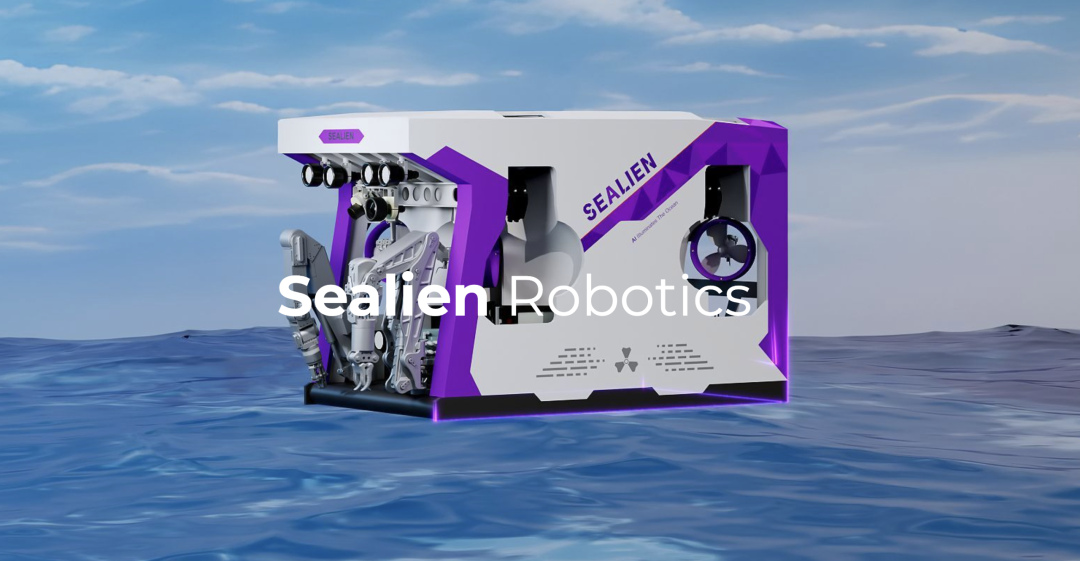
Founded in 2020 and based in Nansha, Guangzhou, the company makes complete deep-sea work robots. Founder Ma Yiming studied ship and ocean engineering at Harbin Engineering University and was the first Chinese engineer at SMD, then the world’s second-largest deep-sea robot supplier, working on the first commercial deep-sea mining robot. The product line spans a 6,000-metre singularity-class work robot, a 3,000-metre Phoenix hovering work robot and a 1,000-metre Taurus heavy buried-cable robot, with nearly all core parts self-developed except standard items and acoustic sensors. The firm also led the design code for seabed cable-burial robots.
From zero to export
The commercial speed is the headline. By July the firm had added several-hundred-million-yuan contracts for whole robots, with another several-hundred-million yuan locked for signing in two months and around 1 billion yuan of potential orders in talk. Overseas orders passed 140 million US dollars in 2025. UAE Telecom first bought a Phoenix 600 in summer 2025, repurchased in October, and a 130 million yuan order for 3,000-metre cable-burial robots followed. The June 2025 UAE deal was China’s first commercial deep-sea robot export, a field long dominated by Western makers.
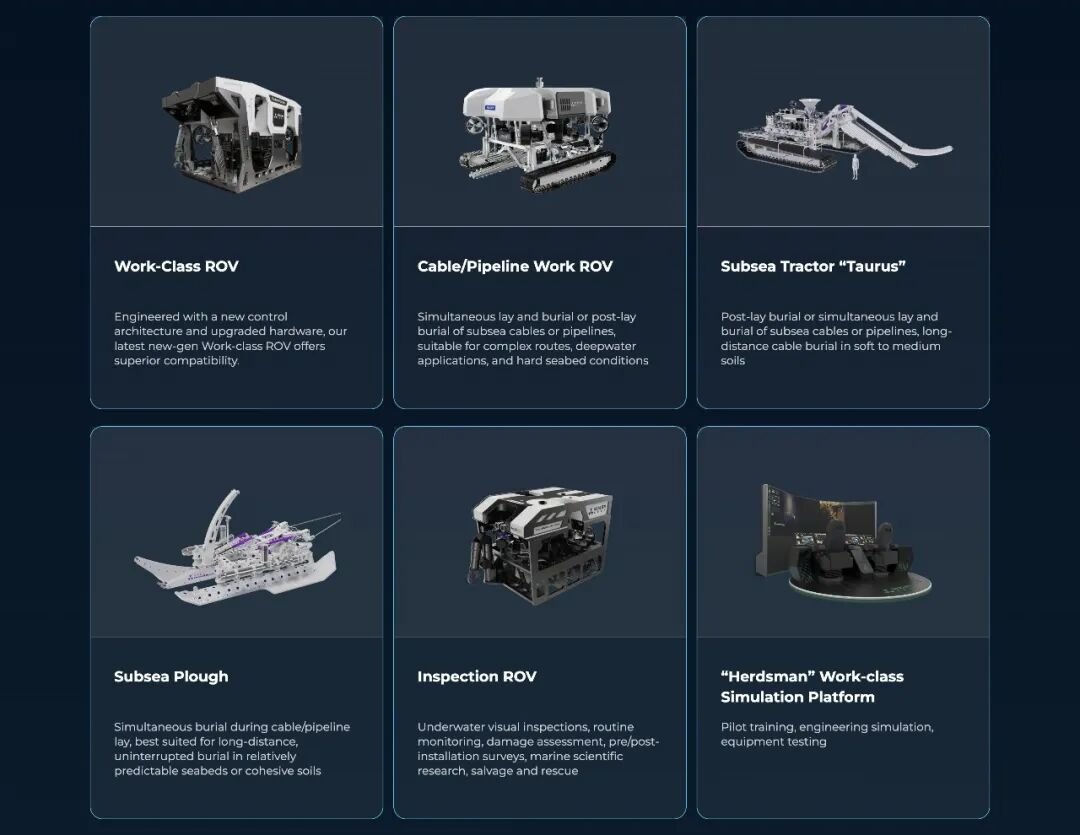
The seabed-services market is roughly 1.5 trillion yuan with over 20 per cent annual growth, yet few private Chinese firms can deliver whole deep-sea robots commercially. The round funds technology upgrades and a wider product range, but the real test is delivery: whether overseas orders ship on time and repurchase repeats will decide if a zero breakthrough becomes a scale business.
Editor’s note: This is an adapted translation of the original OFweek report. It has been trimmed and restructured for readability for an international business audience.