On 5 August, Dobot released Lumeng, which it calls the world’s first embodied all-habitat humanoid robot. Built around the idea of embodied all-habitat, the product aims to break the fixed boundaries of space, scene and function that constrain traditional robots, upgrading humanoids from single-purpose voice-command tools into intelligent agents that fit into homes, education and public life.
Dobot says embodied all-habitat has four dimensions. Spatial all-habitat means the robot adapts freely to homes, malls, campuses and other spaces. Role all-habitat means it switches identities, from life companion to sports playmate to science partner, depending on who it interacts with. Capability all-habitat fuses vision, voice and movement, upgrading from passive answers to active perception and action. Lifecycle all-habitat means the product keeps learning, iterating with the user and understanding them better the longer it is used.
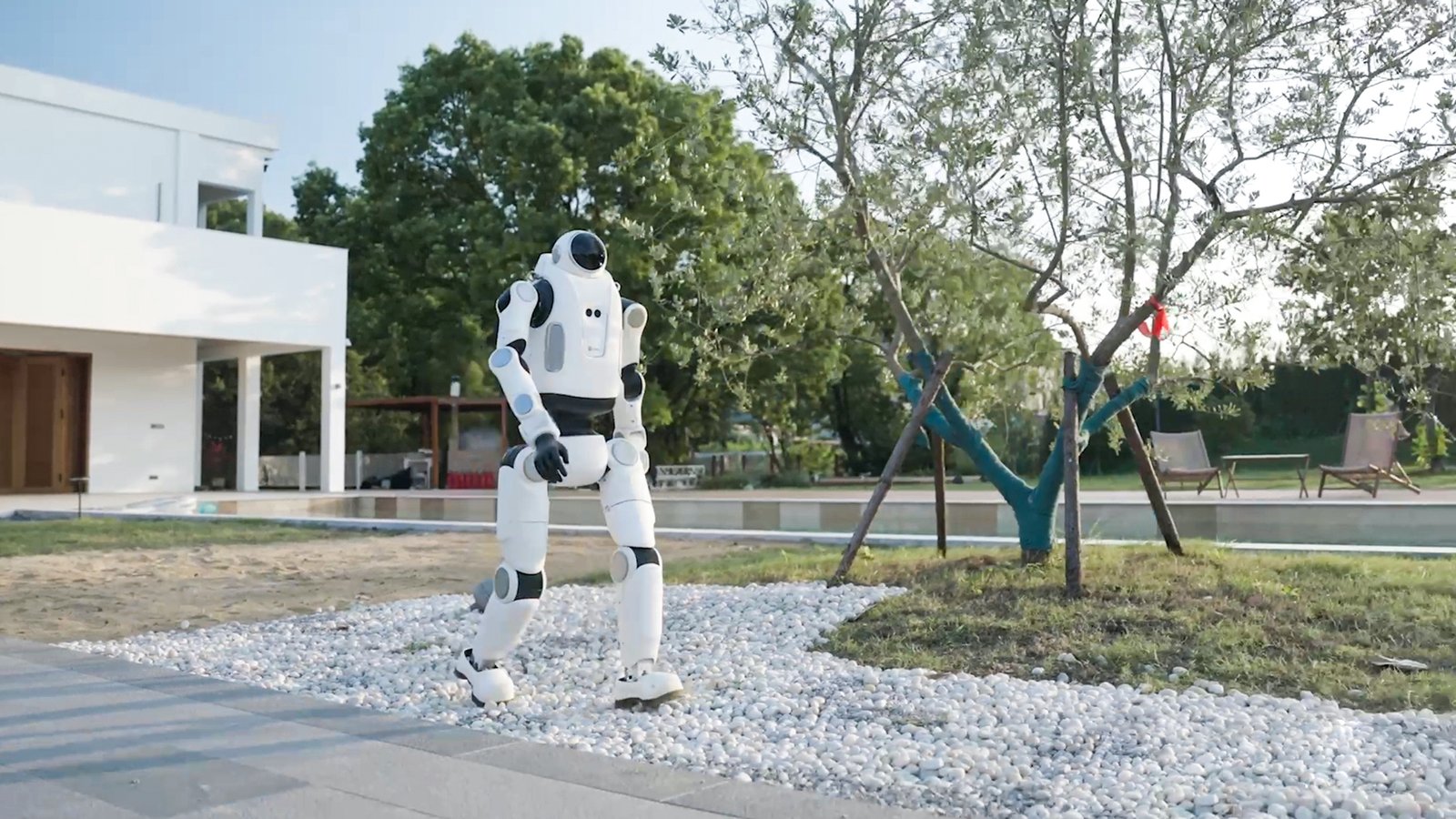
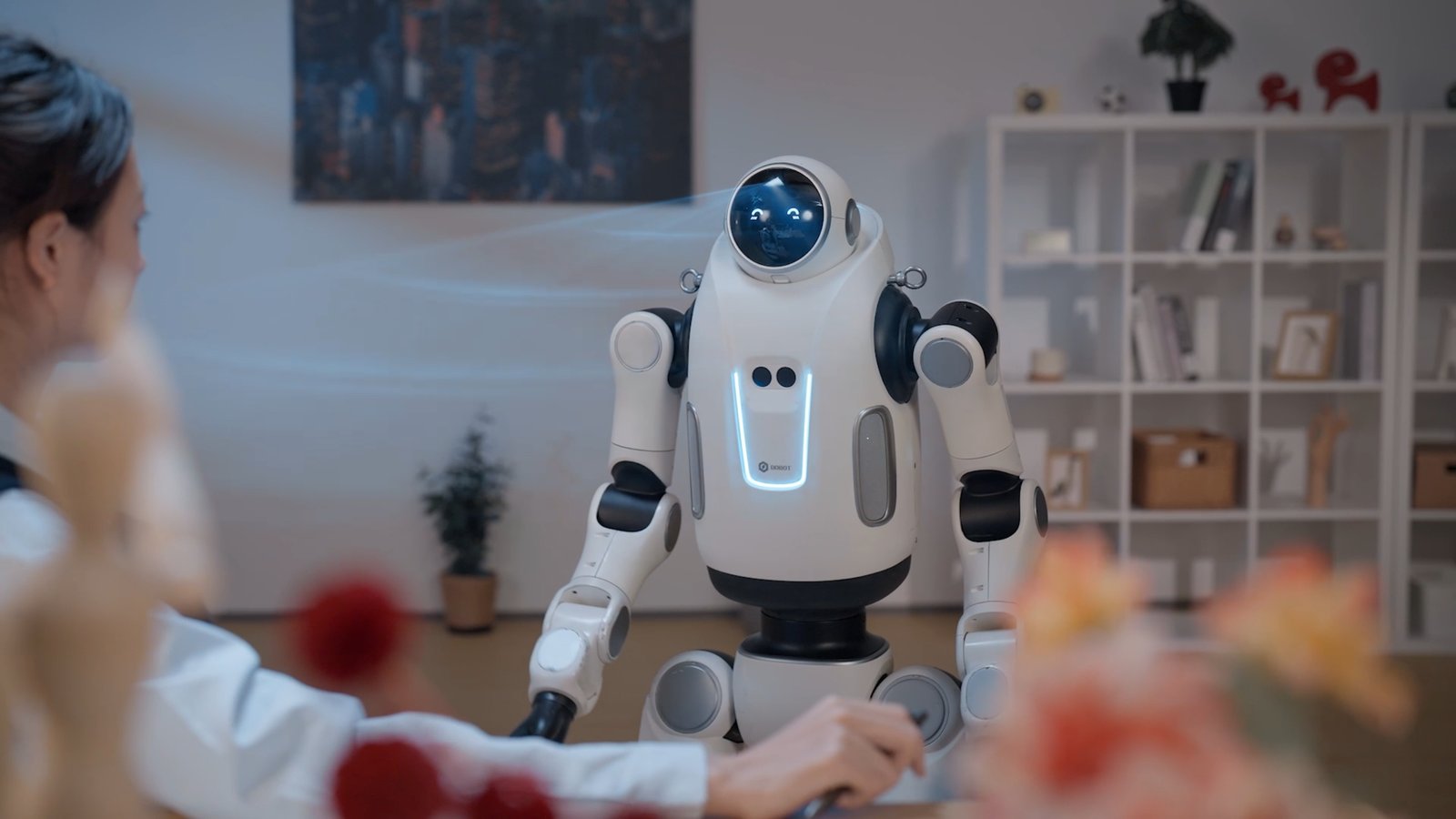
What the robot actually does Lumeng runs on Dobot’s self-developed Kongyi embodied foundation model and makes progress in three areas. First, multimodal emotion perception fuses vision and voice to read the user’s mood and respond with empathy. Second, three-dimensional spatial understanding and active action: with high-precision navigation and obstacle avoidance, plus leading domestic human-like gait and strong locomotion, it moves smoothly across long distances and complex terrain at a first-tier domestic level and walks to the user to offer service. Third, scenario-based self-evolution: it builds an algorithm loop from daily-use data, remembering family routines, interaction preferences and habits, so the longer it is used the better it adapts.
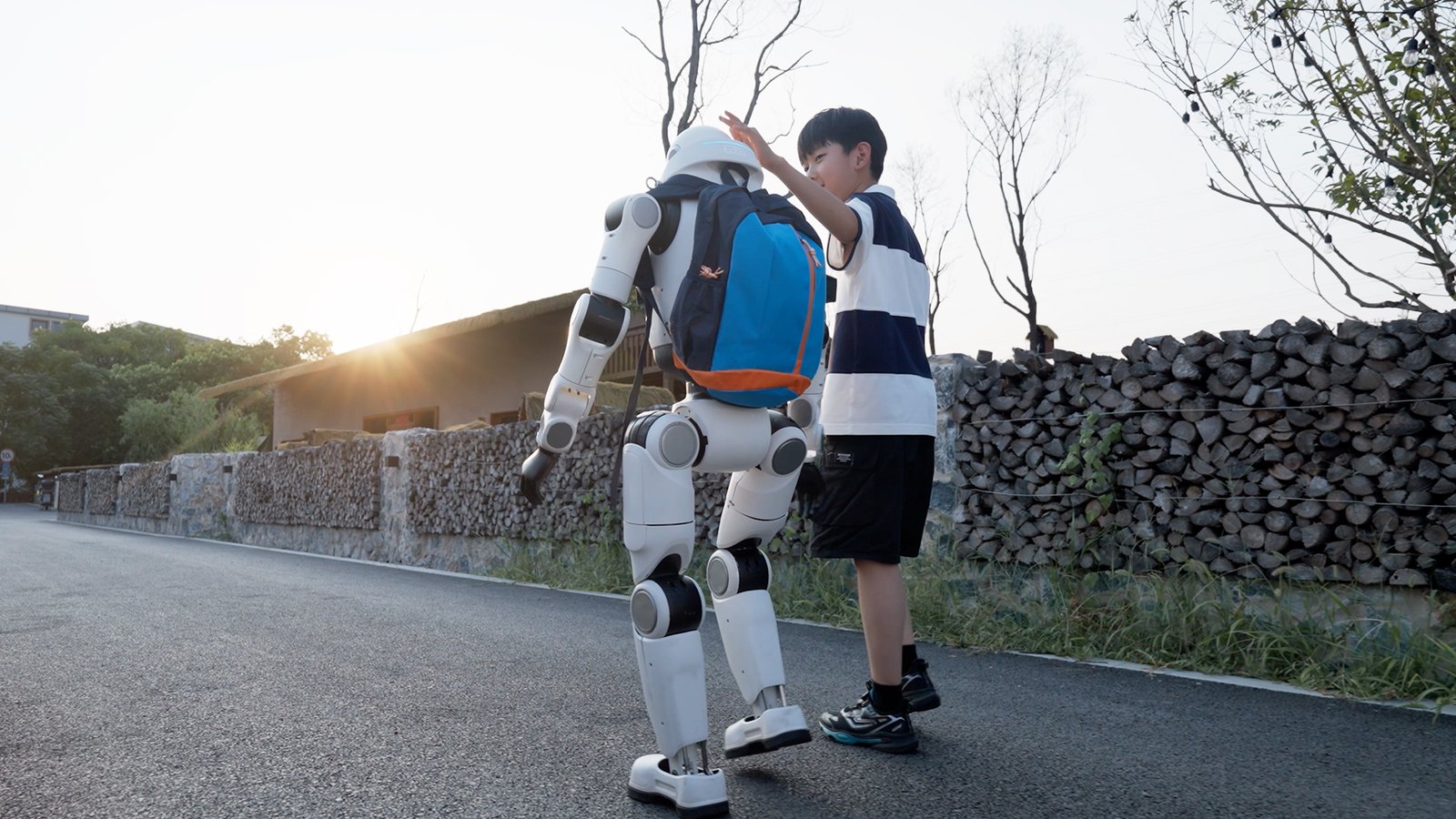
The robot stands about 1.3 metres tall, with softened, friendly styling rather than hard mechanical lines. For urban professionals it handles evening greetings, mood support and casual conversation as low-pressure companionship. For families with children it does parent-child activities, child safety monitoring and schedule reminders. For teenagers it explains knowledge and runs educational interactions through physical engagement rather than one-way screen output. In commercial shows it performs choreographed dances and rhythm interactions.
Beyond companionship, Lumeng is offered to K12 schools, vocational colleges, universities and research institutes as an embodied-intelligence teaching and development platform, with open interfaces for second-round development across robotics basics, motion control, embodied algorithms, SLAM navigation, visual perception and human-robot interaction.
China’s smart-companion robot market keeps expanding, but most products remain at an early stage, limited to fixed-point voice interaction and simple scripted moves, unable to handle multi-environment movement, emotional interaction or long-term personalisation. As embodied intelligence spreads, domestic humanoids like Dobot’s Lumeng will keep unlocking market vitality and bring a real generational upgrade to China’s hundred-billion-yuan smart-companion market.
Images
Editor’s note: This is an adapted translation of the original Shenzhen News report. It has been trimmed and restructured for readability for an international business audience.