Alibaba has set a five-year goal for AI and cloud revenue to break $100 billion, about 690 billion yuan, a target that would require roughly sevenfold growth from a base of about 100 billion yuan, some 14.5 billion dollars, in external commercial revenue, implying a compound annual rate near 47 per cent.
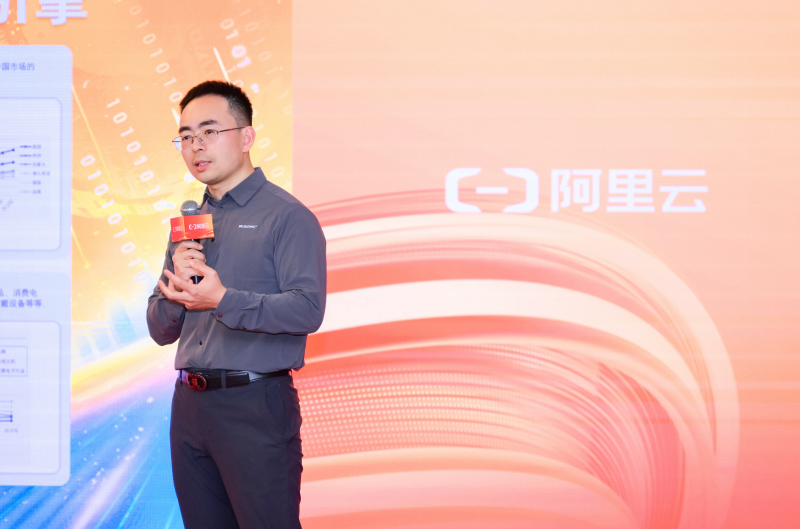
The pledge came with the first full quarter under its September 2025 full-stack AI service provider strategy. Cloud revenue reached 43.284 billion yuan in the quarter, up 36 per cent year on year, with AI product revenue up triple digits for a tenth straight quarter. Eddie Wu, chairman and chief executive, said token consumption on the Bailian MaaS platform had risen sixfold in three months, lifted by agents whose token use runs 100 to 1,000 times that of a chatbot and by multimodal video where 15 seconds can burn 308,800 tokens.
Two growth engines stand out. One is MaaS, where Alibaba leads China with a 30.2 per cent share of full-stack AI cloud, ahead of Baidu AI Cloud at 22.5 per cent, though Volcano Engine and its Doubao model are closing in, with Doubao already above 100 trillion daily tokens. The other is raw compute: Pingtouge’s self-developed GPUs are in mass production, more than 60 per cent serving external customers at an annualised revenue in the tens of billions of yuan, giving Alibaba pricing power in the global price-up cycle.
The hurdles are real. Sustaining 47 per cent compound growth means adding close to half of today’s cloud every year, while defending a large base against price wars and MaaS-led encroachment from rivals. JPMorgan argues that if Alibaba Cloud hits the goal at a fair multiple, the cloud alone could be worth 400 billion dollars, well above Alibaba’s roughly 300 billion dollar market cap, reframing the group from a commerce stock into a technology one.
Editor’s note: This is an adapted translation of the original LeiPhone report. It has been trimmed and restructured for readability for an international business audience.