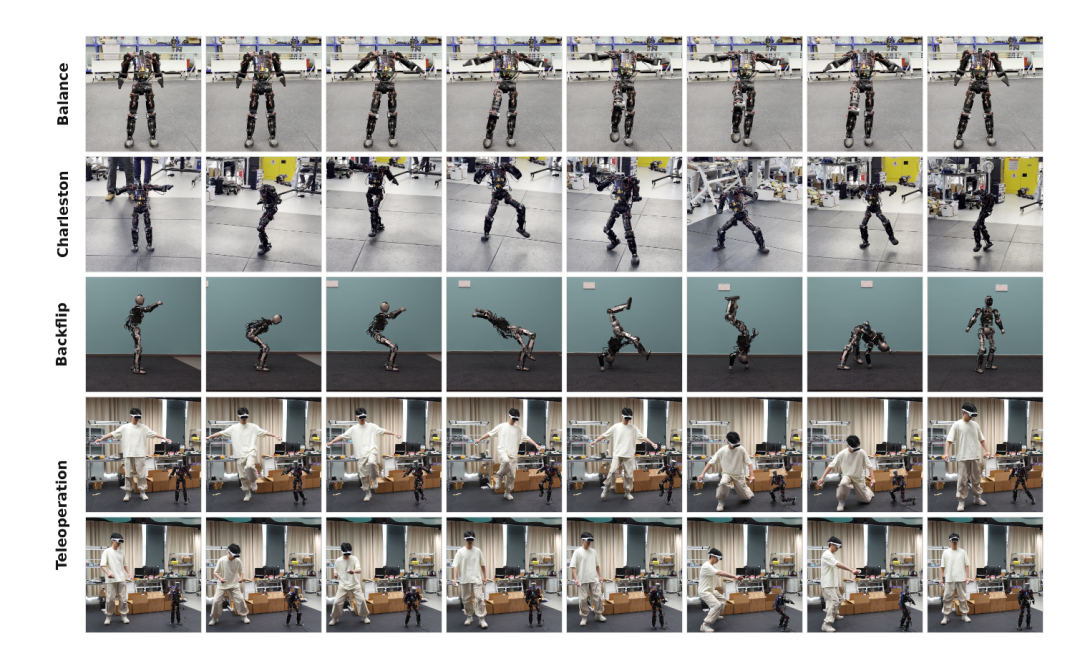
In 2026 the humanoid-robot race entered an odd paradox. Hardware is racing: full-size humanoids now backflip and street-dance, with Unitree’s G1 on the OmniXtreme framework hitting a 96.36 per cent backflip success rate and sub-10-millisecond end-to-end latency, numbers unimaginable three years ago.
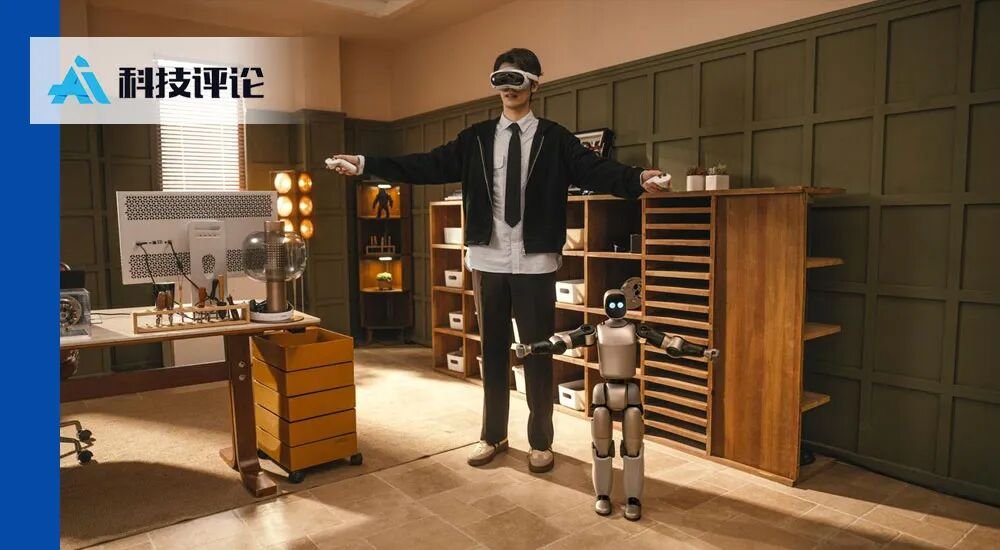
But the ecosystem’s foundation barely moved. Every company uses different bodies, joint configs, sensor interfaces and kinematic calibrations. A grasp policy trained for years on company A’s hardware is worthless on company B’s. An algorithm validated on one lab robot must be rebuilt from scratch on another. Scarce real-world data stays locked inside a single body, and R&D cost stays high.
This looks exactly like the mobile-phone industry before Android in 2007: vendors each did their own thing, hardware fragmented, software scattered, developers forced to re-adapt for every platform. Android defined one open standard and built a fully open ecosystem where developers and vendors could create together. Humanoid robots are still waiting for that moment.
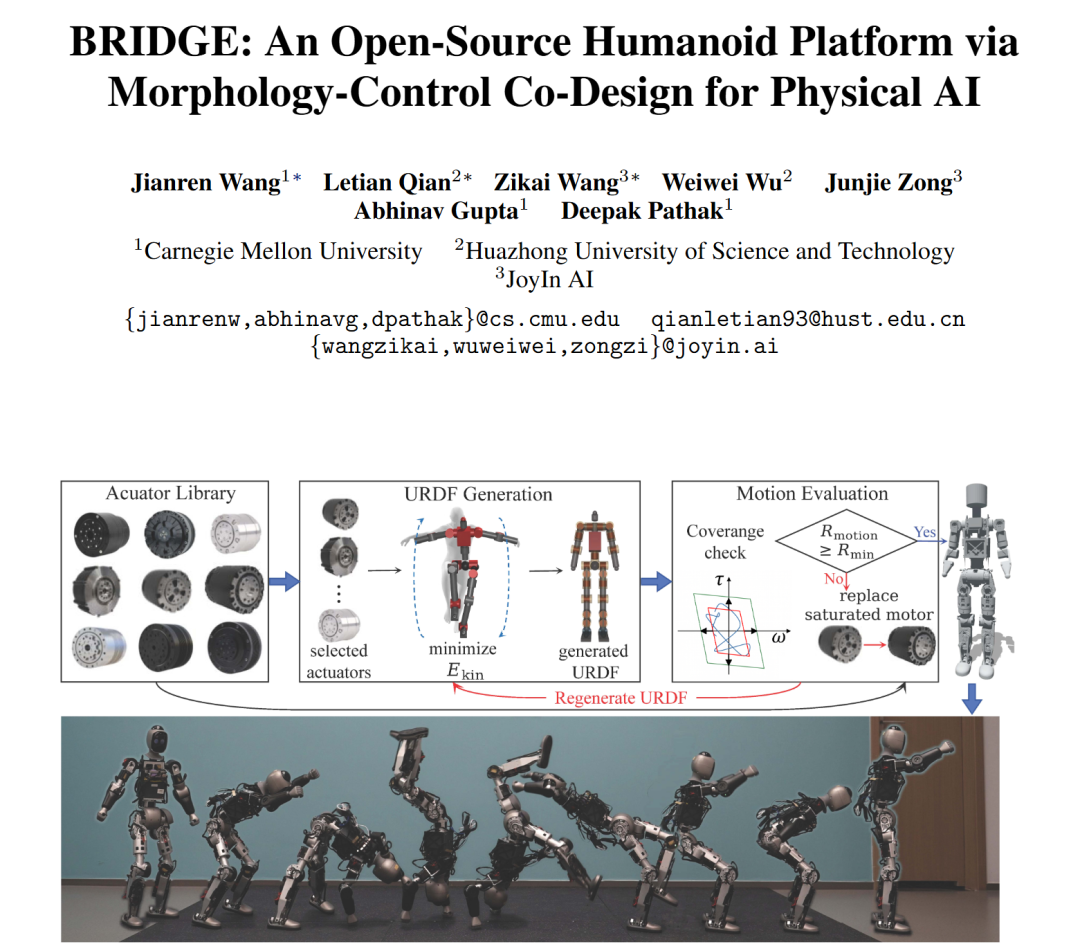
While most firms chase hits and trends, Yuandian Robot, under Ant-backed Lexiang Technology, started laying that ecosystem. With CMU, one of robotics’ heaviest academic names, it published two papers: BRIDGE, open-source hardware design, and FlowMimic, open-source instruction control. With the two base toolchains set, it launched the developer open-source ecosystem OpenBridge.
BRIDGE: making build-the-body a reproducible engineering problem
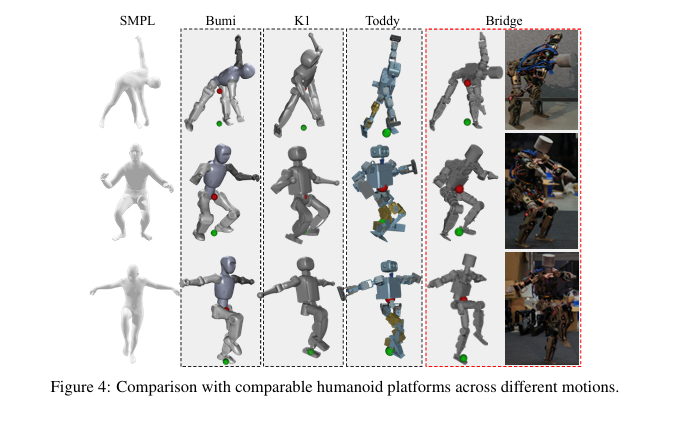
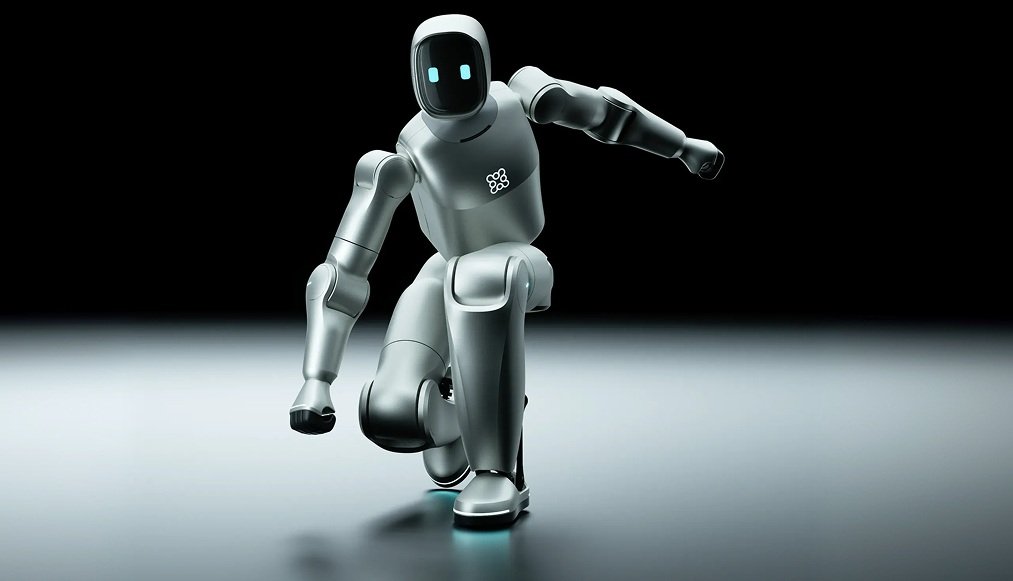
BRIDGE moves from hand-feel to AI-native, data before body, with a clear four-step reproducible process and quantitative plus qualitative validation that can literally compute a robot’s human-likeness. The headline number: a fully open hardware kit at about USD 1,500, democratising the robot body.
FlowMimic: one framework for heterogeneous instructions
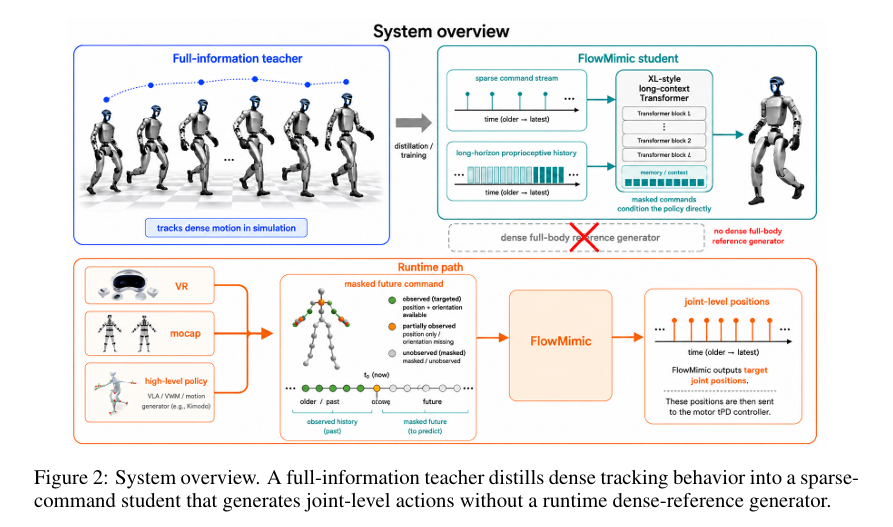
FlowMimic unifies control across heterogeneous instructions. One analogy: a cheating teacher and a student who guesses right every time. In 16 hours of validation it reached 86.4 per cent success, plus a more telling figure on generalisation.
OpenBridge: two bases growing into one ecosystem
The developer programme will recruit 200 developers, researchers and geeks worldwide. Selected applicants get the Bridge geek edition, supporting secondary development and full adaptation to the OpenBridge open system. Domestic developers apply via the official mini-program, overseas via the OpenBridge site.
Yuandian frames the humanoid Android moment as a puzzle whose key pieces are now in place. By open-sourcing the body design, the control framework and a developer programme at once, it has laid the path from closed-door building to open co-creation on the table.
More from the original report
Editor’s note: This is an adapted translation of the original Leiphone report. It has been trimmed and restructured for readability for an international business audience.
Translated and adapted from Leiphone (https://www.leiphone.com/category/academic/P00P7aQceC56Vz5r.html).