Suzhou Limiaoda Intelligent Technology has closed B1 and B2 rounds worth close to RMB 500 million combined, with a B3 round of several hundred million already oversubscribed and in signing. Industrial capital, financial institutions and state-owned strategic investors took part, and existing shareholders followed on.
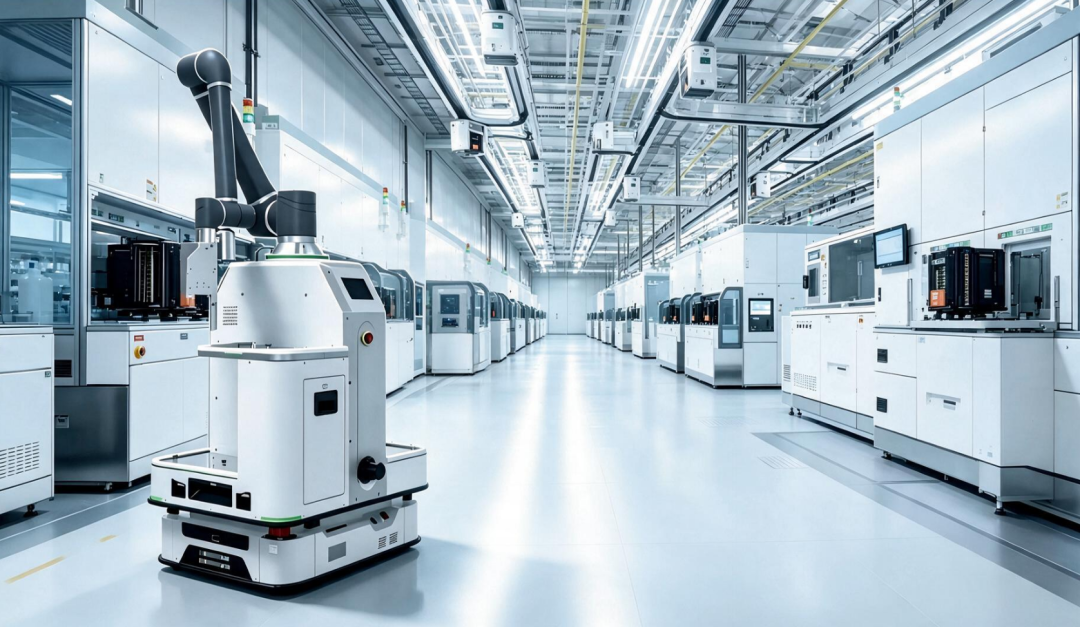
The money goes to a manufacturing base for semiconductor and optical-module equipment, an AI4S laboratory, optical-module equipment research, international customer expansion and an embodied AI algorithm team.
A drug-discovery founder who ended up in cleanrooms
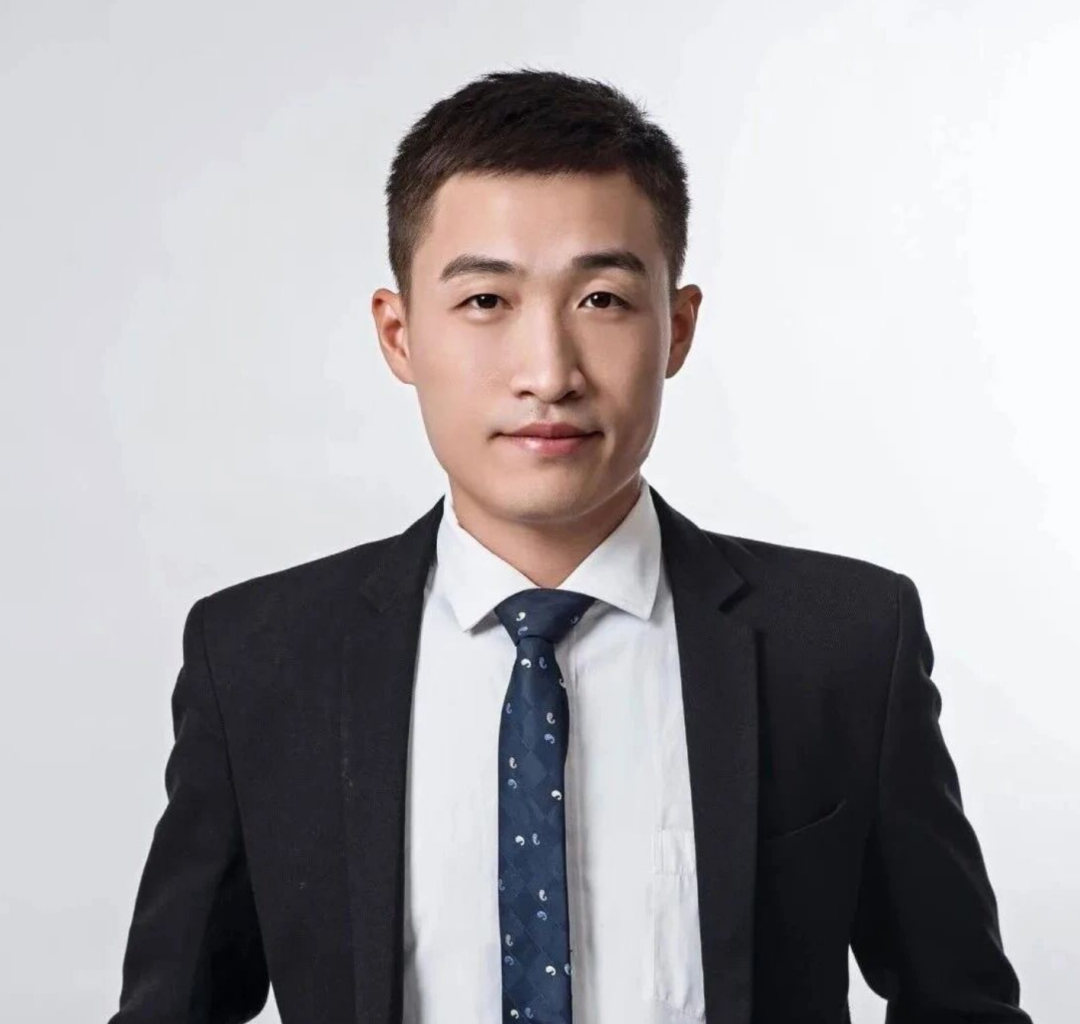
Liu Yusong took a master’s in finance at Southwest University in 2014 and worked as a quant analyst at a foreign bank in Xiamen. Google’s purchase of DeepMind for about GBP 400 million was the moment he concluded that models would change industry faster than any financial model. He started a company in Chongqing in 2015 on RMB 1.2 million of angel money, moved the team to Suzhou for talent and built voice customer service software. Meeting Yue Shiyi, who had spent more than 30 years in computer-aided pharmaceuticals, took him into AI for small-molecule drug discovery in 2021. In 2025 the team set up Suzhou Limiaoda Intelligent and pointed the same capability at factory floors.
The orders are the point
Limiaoda says orders in hand and in intent for 2026 approach RMB 1 billion, with Micron alone accounting for several hundred million cumulatively. That tracks a global capacity wave: Micron’s new Singapore fab carries a ten-year plan of about USD 24 billion, its New York megafab runs to USD 100 billion, and its Hiroshima HBM plant is expanding on about USD 9.3 billion.
More cleanroom area means more material movement, and material movement in a class-100 room is robot work. Limiaoda follows the fabs across the United States, Japan, Singapore, Malaysia, India and Taiwan, China. Customers include Micron and SK Hynix in memory, ASE and SJ Semiconductor in packaging and test, Foxconn and Wistron in AI servers, AAOI and Coherent in optical modules, plus Huawei, Baidu and State Grid.
The company holds more than 200 patents and software copyrights, and it is betting on both sides of AI infrastructure: silicon capacity and the optical links that carry the data out of it. Goldman Sachs has raised its optical module forecast to about USD 67 billion for 2026 and above USD 130 billion for 2027, while TrendForce sees AI optical transceivers rising from USD 16.5 billion in 2025 to USD 26 billion in 2026.
Humanoids are still on the show floor. The robot that already earns its keep is the one nobody photographs, moving cassettes in a cleanroom at three in the morning.
Sell the picks and shovels, and the customer builds the mine wherever the subsidies are.
Editor’s note: This is an adapted translation of the original OFweek report. It has been trimmed and restructured for readability for an international business audience. The full original (in Chinese) is at https://robot.ofweek.com/2026-10/ART-8321202-12003-30708263.html.