CATL and Chery registered CATL Chery Wuhu New Energy Technology on 20 October, with registered capital of RMB 1 billion and both companies as shareholders, according to corporate registry data. It is the second battery manufacturing joint venture the two have set up in 2026.
The first, Times Chery Hefei New Energy Technology, was registered in February with RMB 2 billion of capital, CATL holding 51 per cent and Chery’s passenger and commercial vehicle units holding the remaining 49 per cent. Together the two entities carry RMB 3 billion of registered capital across Hefei and Wuhu, giving the pair a twin battery footprint in Anhui province.
What the new company is for
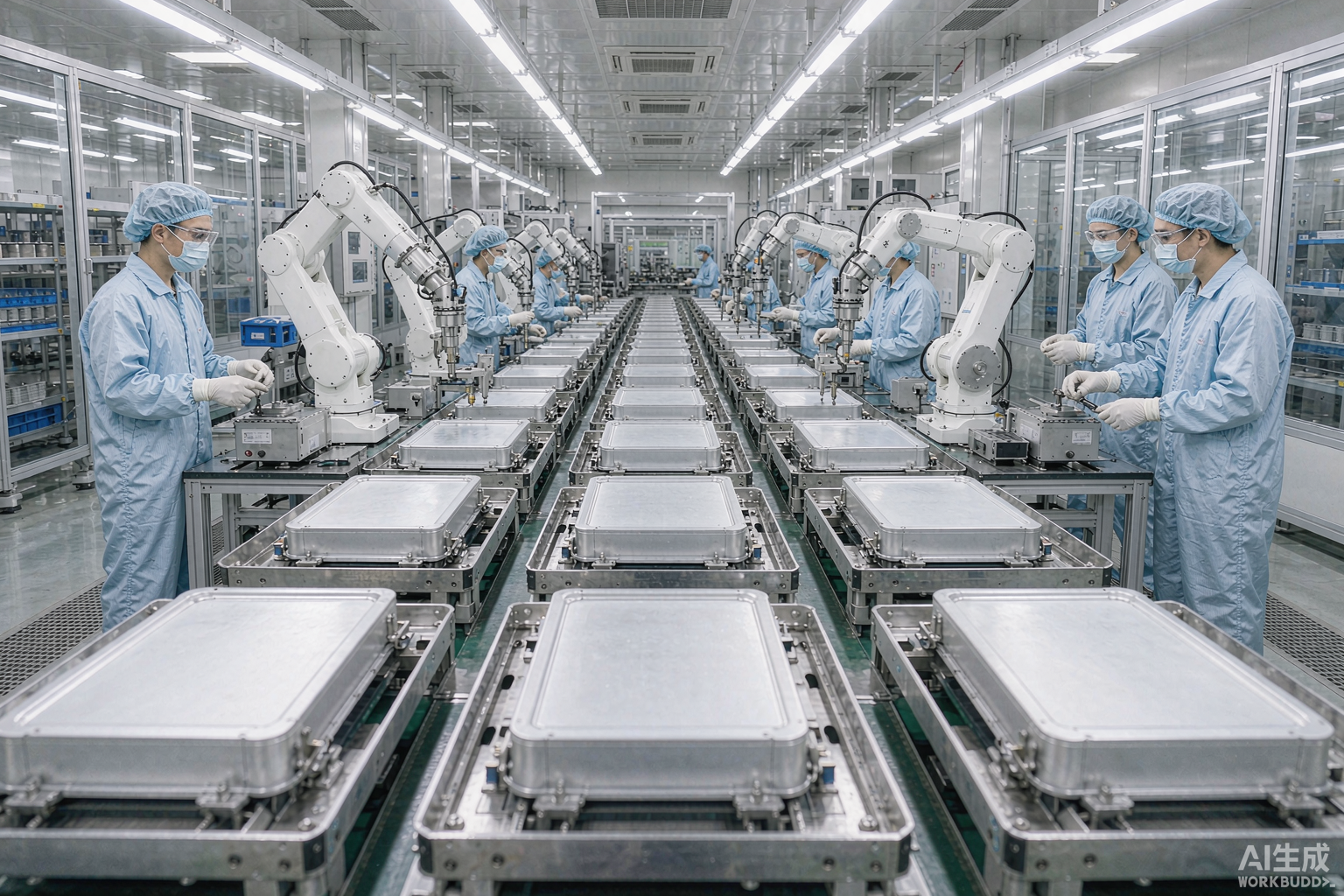
The business scope covers battery manufacturing, battery component production and sales, and energy storage technology services, with a focus on developing and building power battery products.
The partnership itself is not new. In 2023 the two launched the ENER-Q battery brand, with sodium-ion cells going into Chery vehicles first. In April 2026 Chery, CATL, CATL’s swap subsidiary and Chery Green Energy signed a strategic agreement on swappable vehicle development and a battery-swap network.
Why carmakers keep buying into the cell maker
For Chery, the joint ventures lock capacity for Qilin and sodium-ion cells, reduce exposure to supply swings, and give it a claim on semi-solid cells and swap technology, all while it pushes electric volume across multiple brands.
For CATL, equity ties convert a customer into a committed offtake channel and use Anhui’s industrial cluster to expand both power batteries and storage. Registered capital is the cheapest form of customer retention available when the market is oversupplied and prices are falling.
The model is becoming standard. Chinese carmakers have spent three years discovering that a purchase contract does not guarantee cells in a shortage, so the answer is shares rather than signatures.
The European version of this story
Both partners are already building outside China. CATL operates plants in Germany and Hungary and is expanding in Spain, and Chery has announced manufacturing in Spain and is preparing further European assembly. Where a battery plant and a vehicle plant land in the same region, the same capital structure tends to follow.
European suppliers and governments should expect the argument to shift from import volumes to local equity. The question in a subsidy negotiation will not be how many cars a company ships in, but who owns the cell line that supplies them.
Editor’s note: This is an adapted translation of the original Gasgoo report. It has been trimmed and restructured for readability for an international business audience. The full original (in Chinese) is at https://auto.gasgoo.com/news/202610/20I70475371C501.shtml.