Wanliyang, listed on the Shenzhen exchange as 002434, said on 30 October that its subsidiary Zhejiang Wanliyang Robot Technology has put its first joint module production line into mass production. The company frames it as the key step from technical positioning to industrial landing in robot core components.
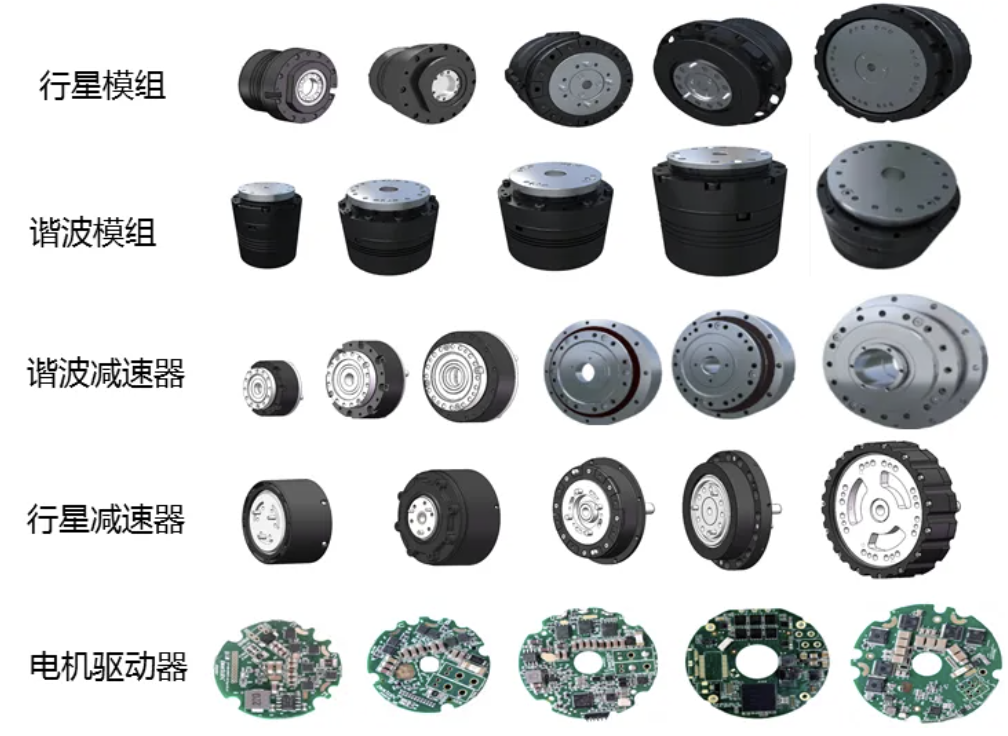
One line, four components
The line is a flexible assembly cell that brings motor, drive, reducer and module assembly together. It introduces several manufacturing techniques borrowed from outside the robot industry, most notably segmented continuous flat winding, a process already mature in automotive traction motors, applied here to robot motor production. Split winding and round welding raise slot fill substantially.
Quality control was built to automotive standards. The line integrates in-process parameter monitoring and mistake-proofing, and applies noise and vibration FFT assessment in robot components for the first time. Catching fine fluctuations in production allows process and incoming-material problems to be identified early, moving defect risk upstream and making the production process traceable.
Where the capability came from
Wanliyang is a domestic leader in automotive transmissions. Close to thirty years of design and precision manufacturing experience in gears and shaft components is the base it brought into the robot sector. Wanliyang Robot has already established cooperation with a number of industry customers.
For a traditional auto parts company, a robot joint module is a chance to sell precision manufacturing capability and scale cost advantage a second time. The technology transfer path is clear rather than speculative.
The part still unproven
The line has only just started. Whether cooperation agreements convert into volume orders depends on delivery rhythm and customer validation in the months ahead. In joint modules, the difference between a sample that passes and a shipment of ten thousand that passes is entirely a manufacturing question, which is precisely the argument for incumbents entering this market rather than startups.
Editor’s note: This is an adapted translation of the original Gasgoo report. It has been trimmed and restructured for readability for an international business audience. The full original (in Chinese) is at https://auto.gasgoo.com/news/202610/30I70476429C103.shtml.