Hyundai Motor reported third-quarter operating profit of KRW 2.68 trillion, up 5.5 per cent year on year, with the operating margin up half a point to 5.9 per cent. Favourable exchange rates, cost reduction and a richer mix driven by hybrid sales did the work.
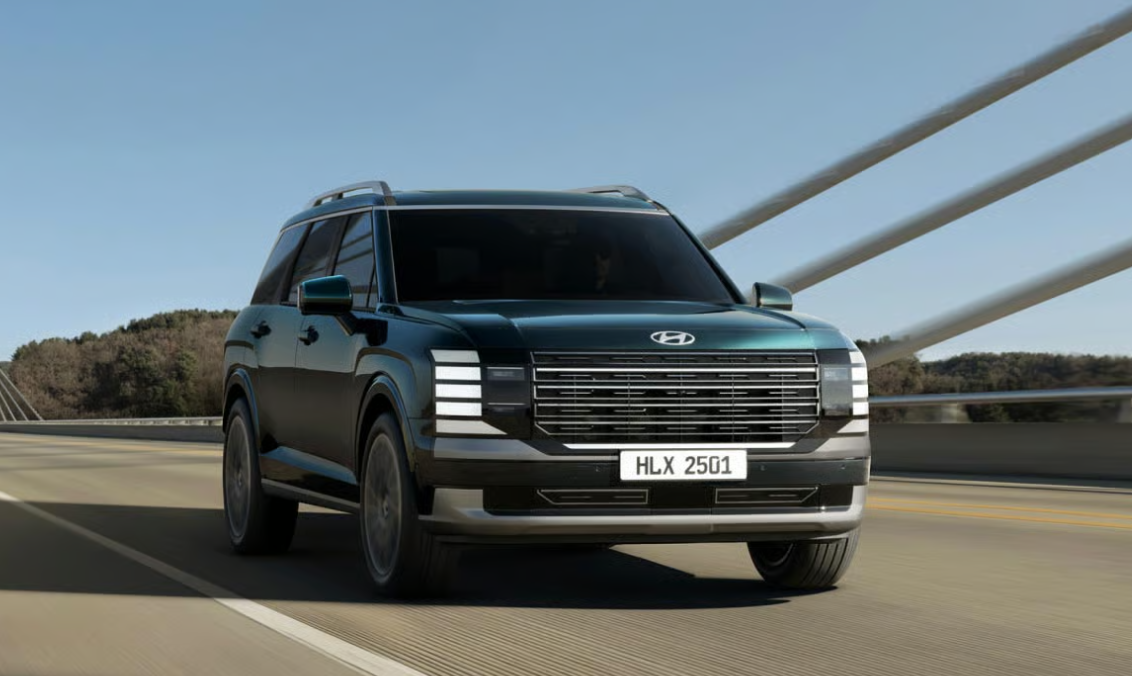
Revenue fell 3.4 per cent to KRW 45.11 trillion as production constraints cut into volume. Net profit including non-controlling interests dropped 24.2 per cent to KRW 1.93 trillion. Global wholesale deliveries were 920,710 units, down 11.3 per cent, with fewer working days and strike-related disruption both weighing on output.
Korean domestic sales fell 27.2 per cent to 131,468 units. Overseas sales were 789,242 units, down 8 per cent. In the United States, steady hybrid demand kept the company’s market share above 6 per cent for a sixth consecutive quarter.
Electrification is carrying the mix
Electrified models accounted for 26.7 per cent of global sales in the quarter, up 2.4 percentage points. Hybrids reached 18.2 per cent, up 2.7 points, with 167,414 hybrid units sold, a rise of 3.8 per cent.
The battery electric line moved the other way. Combined electrified volume including hybrids, battery electric, plug-in hybrid and fuel cell models fell 2.7 per cent to 245,540 units, and battery electric sales dropped 9.2 per cent to 69,117 units.
Guidance cut on cost, not on demand alone
Hyundai lowered its full-year wholesale target from 4.16 million to 4.00 million vehicles, and its consolidated operating margin target from 6.3 to 7.3 per cent to 5.5 to 6.5 per cent. The company cited lower output raising fixed cost per vehicle and higher raw material prices. Revenue growth guidance was held at 1.0 to 2.0 per cent.
After reassessing investment priorities and execution timing, the automotive investment plan was cut from KRW 17.8 trillion to KRW 16 trillion. Hyundai described the revision as a pragmatic correction for external factors accumulated through the year rather than a deterioration in the underlying business.
The quarterly dividend was held at KRW 2,500 per common share. For the fourth quarter the company plans to lift production, push new models including the TUCSON and ELANTRA, and keep working the cost base.
Editor’s note: This is an adapted translation of the original Gasgoo report. It has been trimmed and restructured for readability for an international business audience. The full original (in Chinese) is at https://auto.gasgoo.com/news/202610/30I70476431C101.shtml.