While the humanoid industry argues about when the technology will be deployable, a parallel business has already formed downstream and is growing faster than the builders themselves. It rents robots by the day, the week or the event.
Ask a so-called robotics company whether it is still hiring test engineers and the answer increasingly comes from a systems integrator rather than from AgiBot or Galbot. These firms know every major brand’s software stack, know the customer’s site, and sit between the two.
The integration layer nobody priced in
A humanoid requires constant tuning for a specific task. Selling the machine is the first step of a long process, not the end of one. The analogy the operators use is a car: the factory builds the vehicle, then somebody fits navigation, audio and a power profile that suits the driver. A robot is far more complex than a car and far less standardised.
The economics force the split. A single unit costs between RMB 150,000 and 500,000. If a customer buys one or two and needs heavy customisation, the builder cannot justify a dedicated engineering team. So the work flows to partners, some of whom return around 10 per cent of the deal to the original manufacturer.
Leju’s deployment at Zhaofeng Electromechanical is the clearest illustration. Fifteen Kuafu humanoids went onto the line, and the two sides spent close to a year getting the robots to do the job. At the start the machines struggled to hold a part securely. The grasping motion alone took 15,000 training iterations.
AgiBot has said openly that after completing the first deployments with anchor customers, the spread to many sites has to come through ecosystem partners. Partners accounted for a quarter of its sales in 2025, and the target for 2026 is 60 per cent.
Rental as the commercial experiment
Qingtianzu, founded by AgiBot with Feikuo Technology and others, is run by Feikuo founder Li Yiyan. It closed A and A+ rounds in May, reaching a valuation of RMB 7 billion and unicorn status. Wanjii Yizu trades at roughly RMB 1 billion post-money. JD has opened a self-operated rental store listing multiple robot types.
Li’s argument is that rental lowers the cost of a mistake and returns field data to the manufacturer. Operators report that when a rental option is offered, about 90 per cent of customers take it over a purchase.
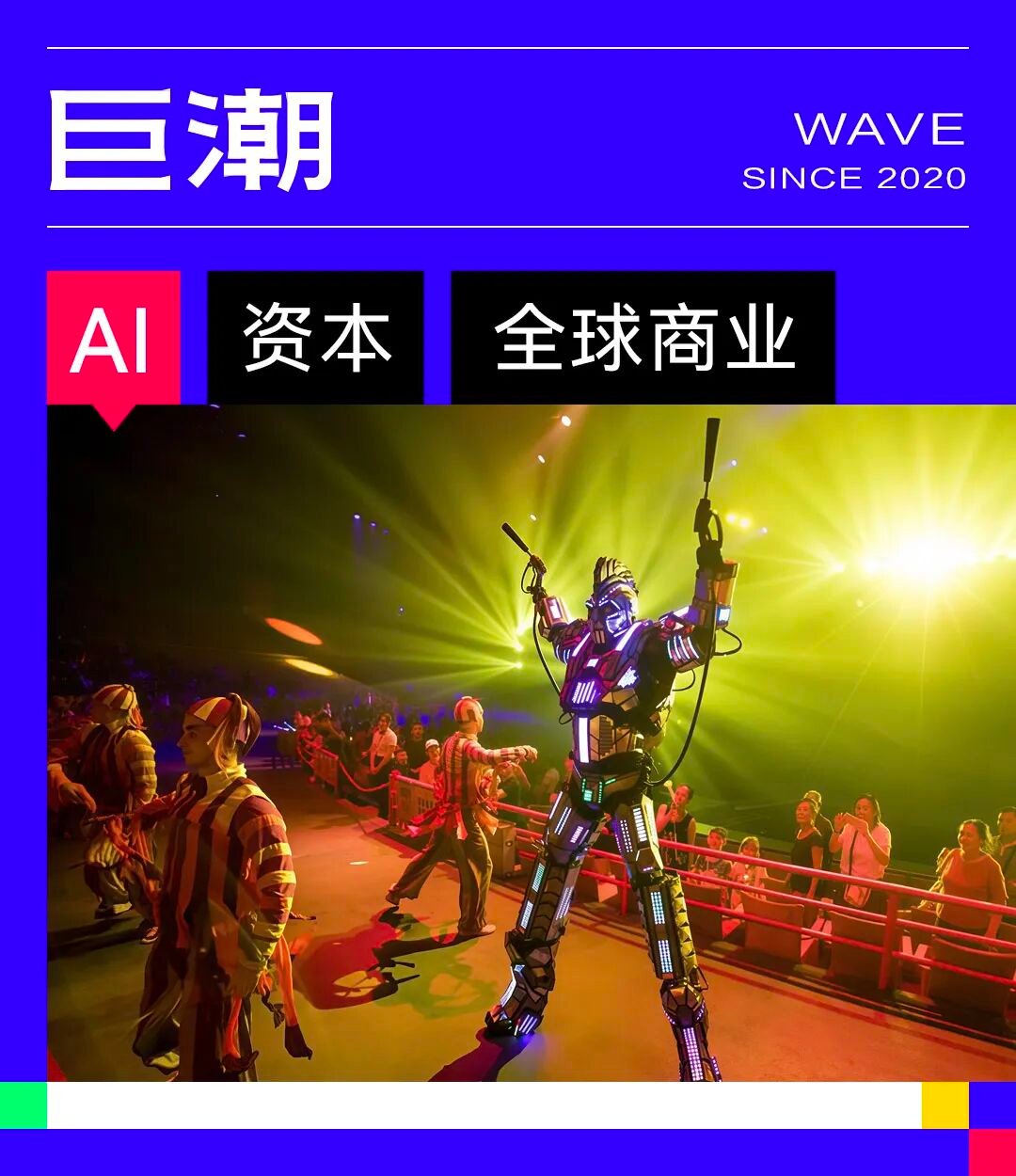
What those customers are actually buying is mostly novelty. Roughly 65 per cent of rental orders are single commercial performances: openings, exhibition warm-ups, weddings, school sports days, concerts. Unitree’s robots have become fixtures at pop concerts. AgiBot built a 300-robot embodied intelligence theme park with Chimelong in Zhuhai covering performance, study tours and guided commentary.
A second, smaller category is functional substitution: luggage handling, hospital wayfinding, bank reception. In elder care, Guangxi procured 35 Fubao KZ100 units for welfare homes and community centres. A small companion robot called Youni rents at RMB 80 a month, or RMB 40 after subsidy for users over 75, and understands both Mandarin and Shanghainese.
Neither category requires athletic capability. Both require the machine to recognise a person and respond in a way that feels appropriate, which is a much lower technical bar than factory work and a much easier sale.
The rental boom is a stage, not a destination. It sits in the gap between a working demo and a working job, and it exists because nobody has closed that gap yet.
Editor’s note: This is an adapted translation of the original OFweek report. It has been trimmed and restructured for readability for an international business audience. The full original (in Chinese) is at https://robot.ofweek.com/2026-11/ART-898890-8420-30710119.html.