Agility Robotics confirmed on 30 October that it will raise about USD 465 million through a SPAC merger and begin trading on Nasdaq on 5 November under the ticker AGLT, at a valuation of roughly USD 2.5 billion. It will be the only listed pure humanoid company in the United States with an active commercial deployment.
The same week, the Chinese embodied intelligence sector was reading a different temperature. AgiBot delayed its Hong Kong listing. Weiyi Zhizao pulled its float three days before the bell. Songyan Power is still answering questions about how its revenue is structured.
The anchor is a customer list, not a revenue curve
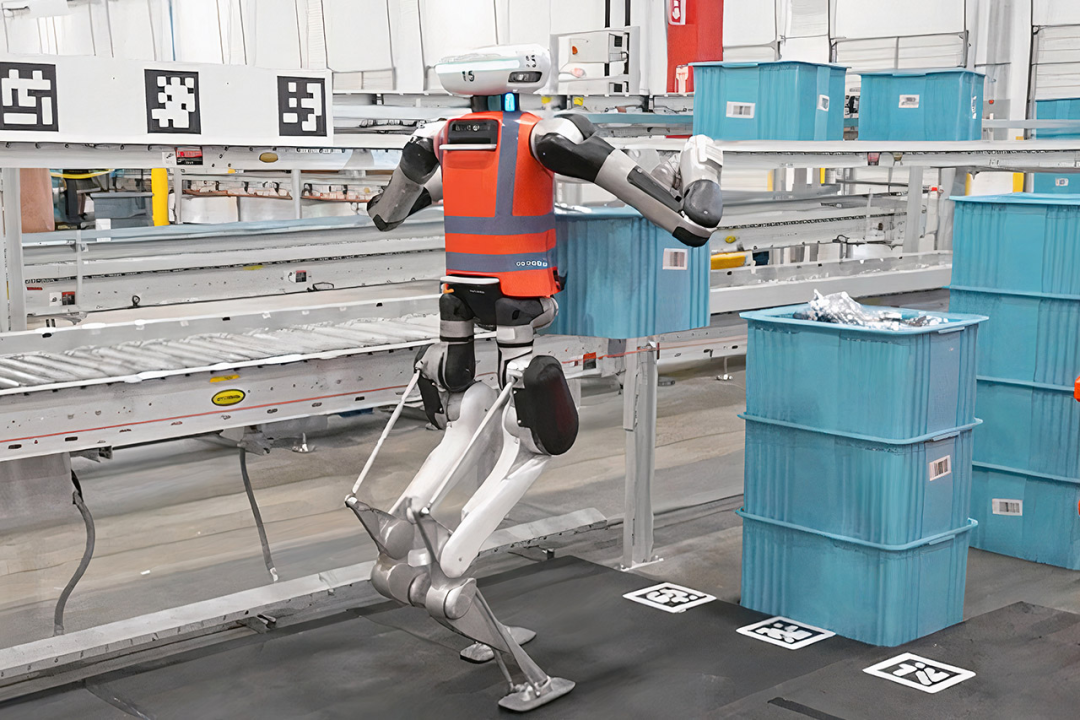
GXO Logistics pays Agility on a robots-as-a-service basis, which makes Digit the first humanoid anywhere to earn commercial revenue from a paying customer. Three further paid manufacturing customers are in progress, and the active pipeline runs past 30 accounts. Digit 5 holds more than USD 300 million in multi-year orders, has accumulated over 65,000 operating hours and has moved more than 100,000 logistics totes.
That is a delivery record. It is not an earnings record, and the SPAC structure is what allows the difference to go unexamined. A traditional IPO puts revenue mix, gross margin and customer concentration under disclosure. A SPAC sells a verified commercialisation schedule instead.
The USD 2.5 billion therefore prices box moving, not world changing. Investors are buying a specific claim: this machine does a defined job, on a defined site, for a named customer that renews.
Why the Chinese queue cannot use the same anchor
Chinese humanoid makers are going down the IPO route, where the regulator asks different questions. How much of the revenue comes from related parties. How much of it repeats next year. AgiBot’s valuation of RMB 50 billion was negotiated in the private market. In a public filing, that number has to survive an audit trail. Weiyi Zhizao’s hesitation three days out suggests those answers were not yet comfortable.
The two paths are not competing for the same investor. One sells evidence that a robot can work. The other has to sell evidence that a robot business can compound.
Friday sets the reference price for everyone
If AGLT trades steadily after listing, it establishes that public markets will pay a respectable multiple for a humanoid with real paying customers, profit or no profit. If it breaks issue, the read is harsher: pure humanoid economics still do not survive daylight, and the valuations of the 50 plus Chinese companies now preparing filings need marking down as a group.
Either way the number that prints on 5 November will be quoted for the next two years, in boardrooms from Shenzhen to Seoul, as the first honest public price for a machine that walks and works. Every founder waiting on a filing will be measuring against it whether they admit it or not.
Editor’s note: This is an adapted translation of the original OFweek report. It has been trimmed and restructured for readability for an international business audience. The full original (in Chinese) is at https://robot.ofweek.com/2026-11/ART-898890-12001-30709734.html.