Unitree listed on the Shanghai Stock Exchange on 19 August at RMB 150.8 per share. Within days its market capitalisation passed RMB 440 billion, more than six times the issue price. Then it fell, at one point below RMB 170 billion. By the close on 2 November it had recovered to RMB 267.8 billion, at RMB 662.17 per share.
That single round trip did more to reset the sector than any regulatory notice. Before Unitree, UBTech had listed in Hong Kong, followed by Geek+, Dobot, Syrius and Rokae. More than 50 embodied intelligence companies were preparing filings. After Unitree, the filings kept being prepared and the listings stopped happening.
Why everyone needed the money at once
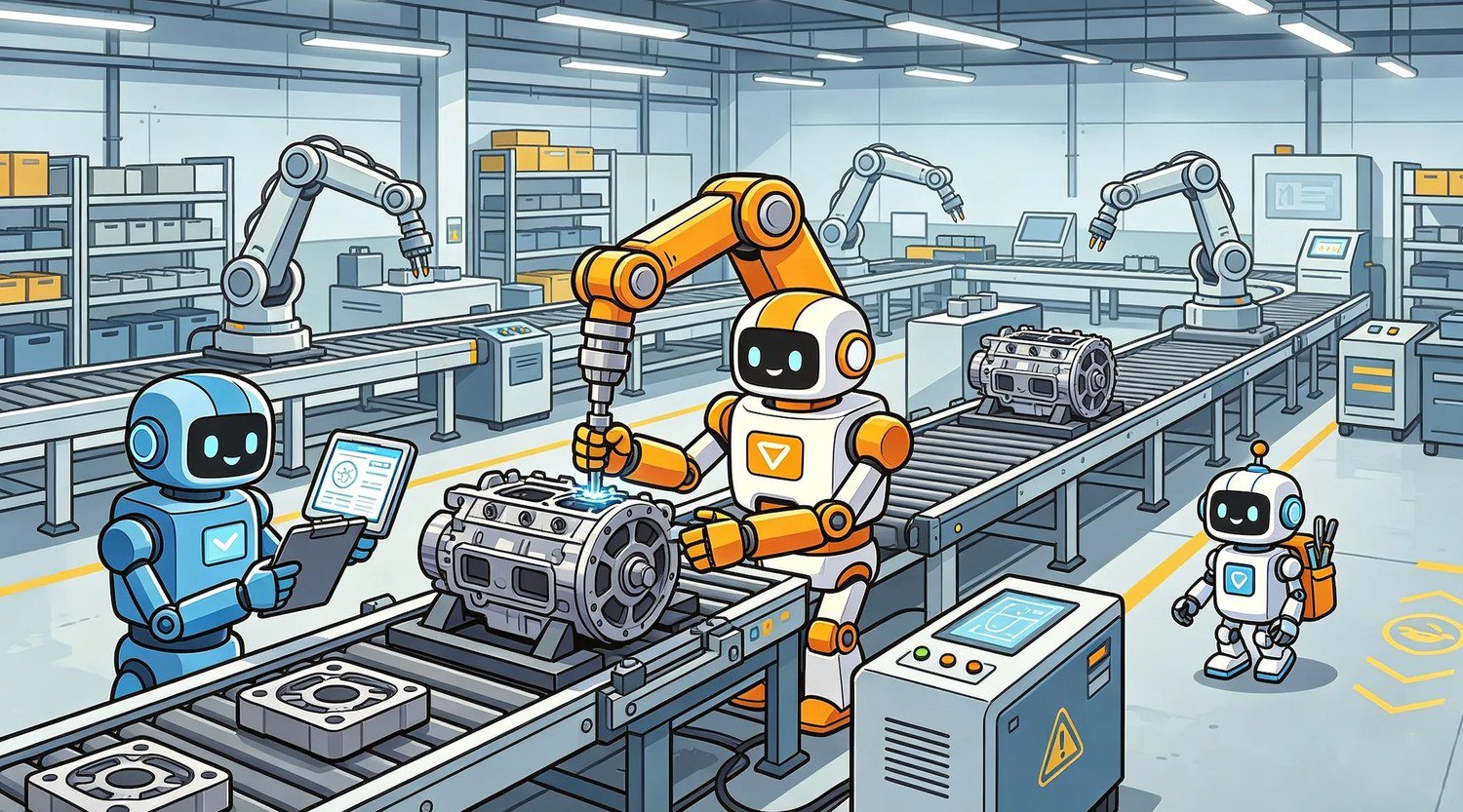
Embodied AI burns cash in four places at the same time: model training, hardware iteration, team expansion and production lines. Very few integrators are profitable. UBTech, the earliest to list, reported first half revenue of RMB 1.269 billion against a net loss of RMB 311 million.
Two failures sharpened the message. In July, Yinghe Robotics of Shenzhen, having spent RMB 600 million of funding, entered bankruptcy liquidation. In September, Zhicheng Dongli of Suzhou filed for reorganisation.
Investor patience thinned in parallel. According to Securities Times, secondary shares in recent months were being offered at 65 to 80 per cent of the last round, and buyers were scarce even at that discount. Tencent Technology reported quotes as low as 50 per cent.
The queue that stalled
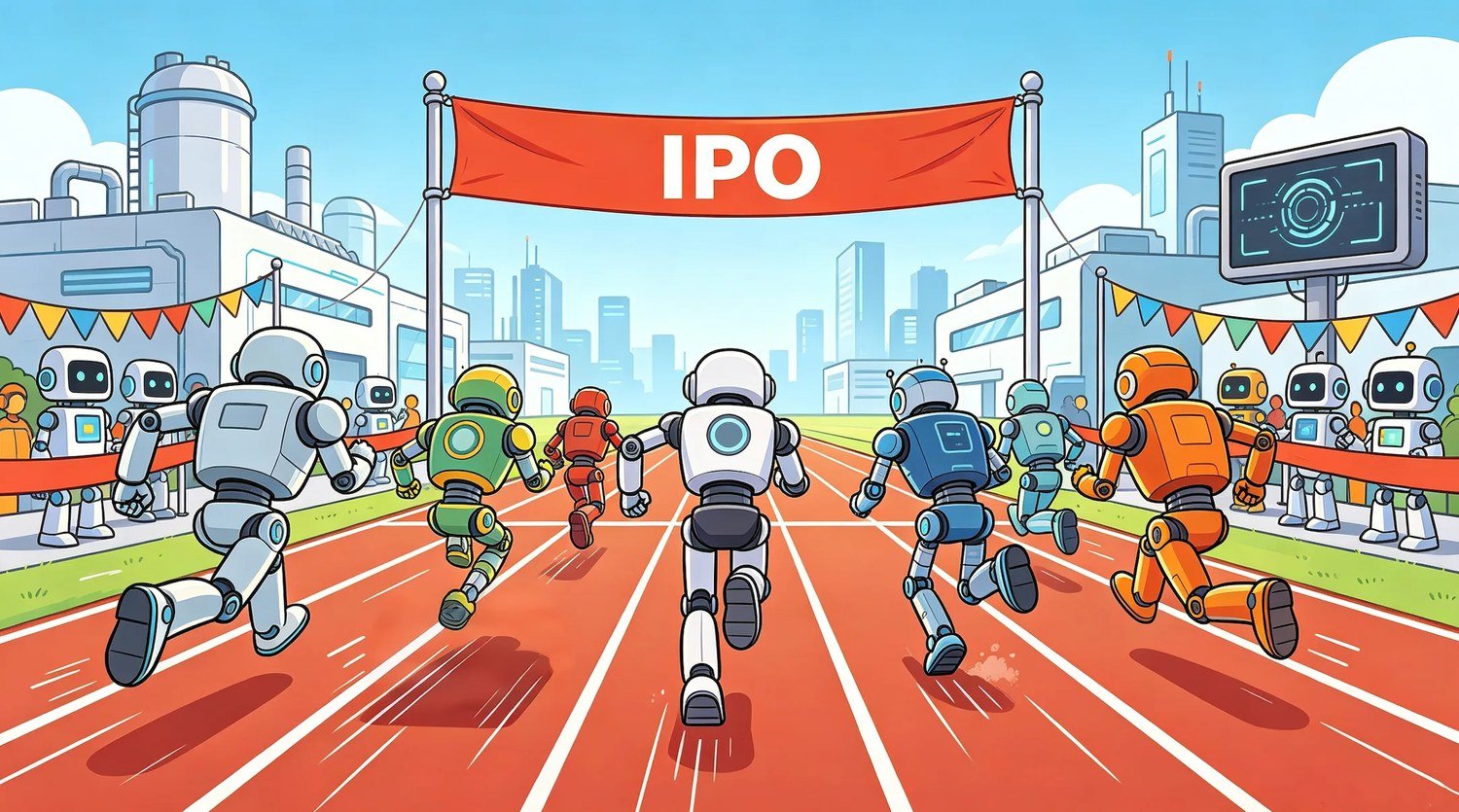
In early September, The Information reported that regulators had used informal window guidance to slow listings by some humanoid companies. Then the sector began policing itself. Shao Tianlan, founder of Mech-Mind, publicly accused peers of booking revenue by selling robots at inflated prices to local state data collection centres and buying the data back, naming a company valued above RMB 20 billion and preparing a Hong Kong float.
The retreats followed quickly. Huandong Technology withdrew its STAR Market application on 21 September. Leju Robotics paused its Shenzhen review on 30 September. AgiBot stepped back on 13 October and raised RMB 1 to 1.5 billion at a RMB 50 billion valuation instead. Weiyi Zhizao delayed its global offering on 25 October, three days before pricing.
The number that matters is not the market cap
Unitree’s own disclosure carries the real warning. In the first nine months of 2025, 73.6 per cent of its humanoid revenue came from research and education. Industry applications, meaning corporate tours, smart manufacturing and inspection, contributed 9.01 per cent combined.
Selling to a laboratory and selling to a factory are two different valuation stories, and the market has now learned to tell them apart. The private market still has money: RMB 124.51 billion went into robotics in the first eight months of 2026, twice the whole of 2025. What changed is the question being asked. It is no longer whether the demo works. It is what a single site will pay, repeatedly, at a margin that survives the depreciation schedule.
Editor’s note: This is an adapted translation of the original OFweek report. It has been trimmed and restructured for readability for an international business audience. The full original (in Chinese) is at https://robot.ofweek.com/2026-11/ART-898890-8420-30710101.html.