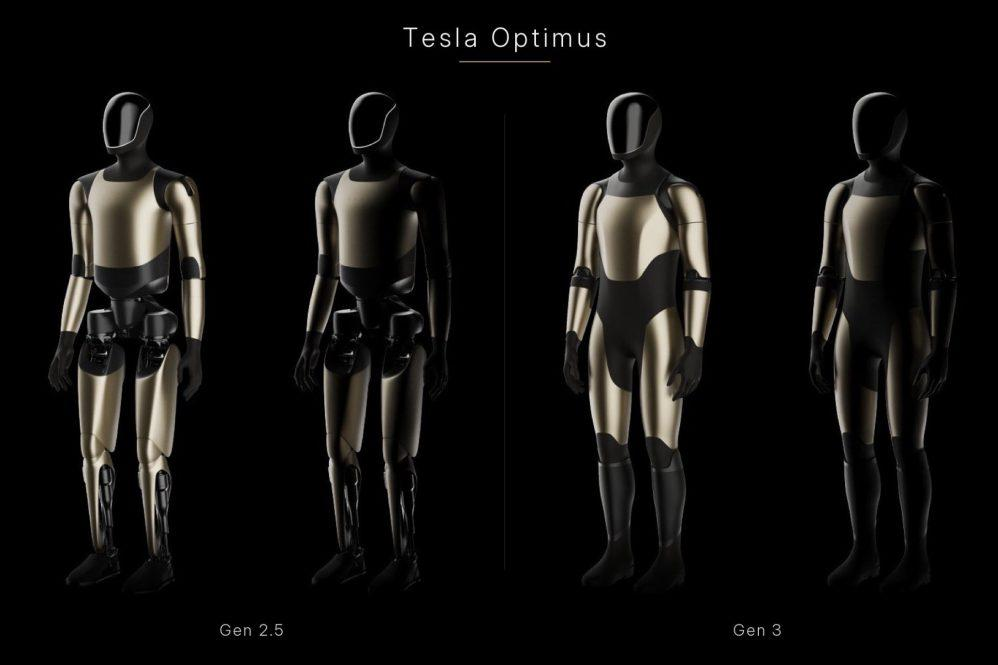
Musk answered a question about Tesla opening Optimus pre-orders in December with a single word on X. The word was No. What followed was a short lesson in how consumer expectations and industrial reality are still years apart in humanoid robots.
How the story started
The San Francisco Standard published a report citing anonymous sources that Tesla would begin taking Optimus reservations in December. Technology commentator Robert Scoble took the claim to X and asked Musk directly. The reply was one word, and it ended the story faster than any press release would have.
Tesla’s own guidance has not changed. On its third-quarter 2026 earnings call the company said external customer deliveries would not begin before the end of 2027, and that the first recipients would be enterprise customers using the machine for dangerous and repetitive industrial work. There is no published timeline for consumer retail sales through the website.
Why the rumour spread anyway
The appeal is easy to explain. Almost everything published about embodied AI concerns factory deployment, foundation models and data collection. Those stories are far from a general reader. A December pre-order date implied a robot that folds laundry before Christmas, and that version of the story travelled on its own.
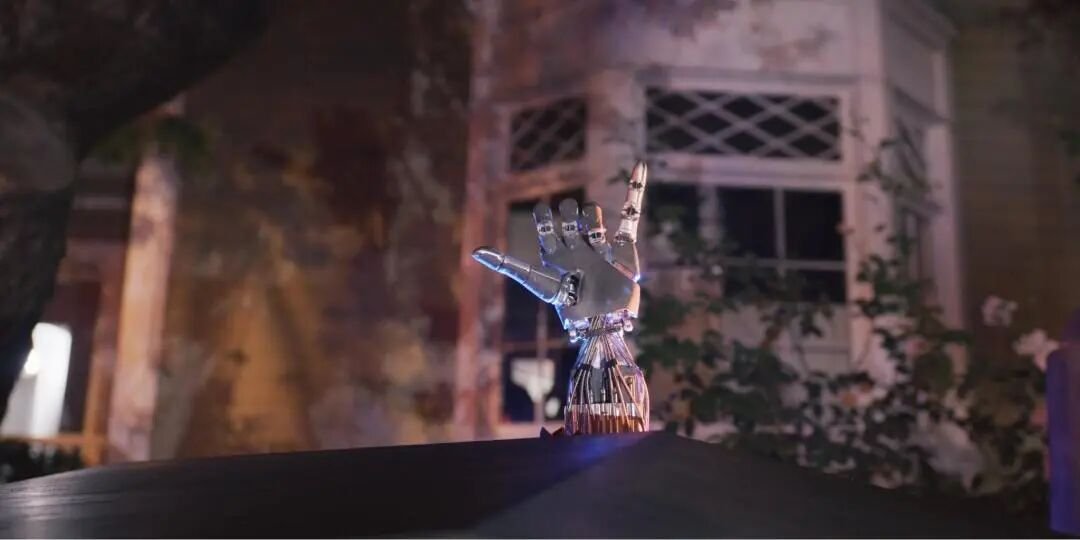
The second reason is capacity. A target of end-2027 for external enterprise delivery, with production still ramping, is not a schedule that supports consumer reservations. Optimus still has hundreds of screws in each dexterous hand that are assembled by hand. Tesla has been hiring night-shift supervisors to accelerate data collection, and Musk has cut memory allocation for AI5 to protect compute. Opening pre-orders at this point would raise deposits and change nothing else.
The third is market mechanics. Had the report gone unchallenged, the listed supply chain around consumer robotics would probably have repriced on a consumer breakout narrative. That trade would have been built on nothing. Tesla’s valuation case rests on factory penetration, on selling machines at hundreds of thousands of dollars each to industrial buyers replacing several workers per shift, not on the size of a consumer waitlist.
What the denial does not change
Nothing about the long-run thesis. Humanoid robots will eventually be a household product, and the companies that get there will be the ones that spent years doing unpleasant work on production lines first. Learning to hold a night shift, grinding unit costs down and building generalisation in unstructured environments is the entry fee.
It does set a useful boundary for 2026 and 2027. The Chinese companies shipping thousands of units this year are shipping them to factories, warehouses and retail test sites. The American leaders are on a similar clock. The consumer market is not a 2026 story or a 2027 story, and any supply chain trade built on a pre-order date is trading a rumour rather than a product.
The next real signal is the Optimus V3 demonstration. Watch whether it shows unstructured work, not whether it shows a gesture.
Editor’s note: This is an adapted translation of the original OFweek report. It has been trimmed and restructured for readability for an international business audience. The full original (in Chinese) is at https://robot.ofweek.com/2026-11/ART-898890-8460-30710552.html.