Supply-chain reporting out of Taiwan says Elon Musk is reworking the arrangement around Terafab, the wafer plant he put on the table in March. The direction of travel has flipped: instead of Musk’s companies building and running the site themselves, TSMC would take primary responsibility for both construction and operation. Equity and investment terms are still under discussion.
The reversal matters because both sides had spent two months stating the opposite, in public, with unusual firmness.
On 7 October a user on X speculated that TSMC would own and operate the fab. Musk replied that the plant would be built and run by his own companies, with no doubt about it, and that TSMC could at most sublet part of the site. Eight days later, on TSMC’s third-quarter earnings call, an analyst from JPMorgan asked about the Texas plant. Chief executive C.C. Wei gave an answer that was just as hard: there are many possible cooperation models, but if TSMC is involved, TSMC operates the fab. He gave no timeline, no investment figure and no capacity number. Bloomberg noted at the time that no agreement existed.
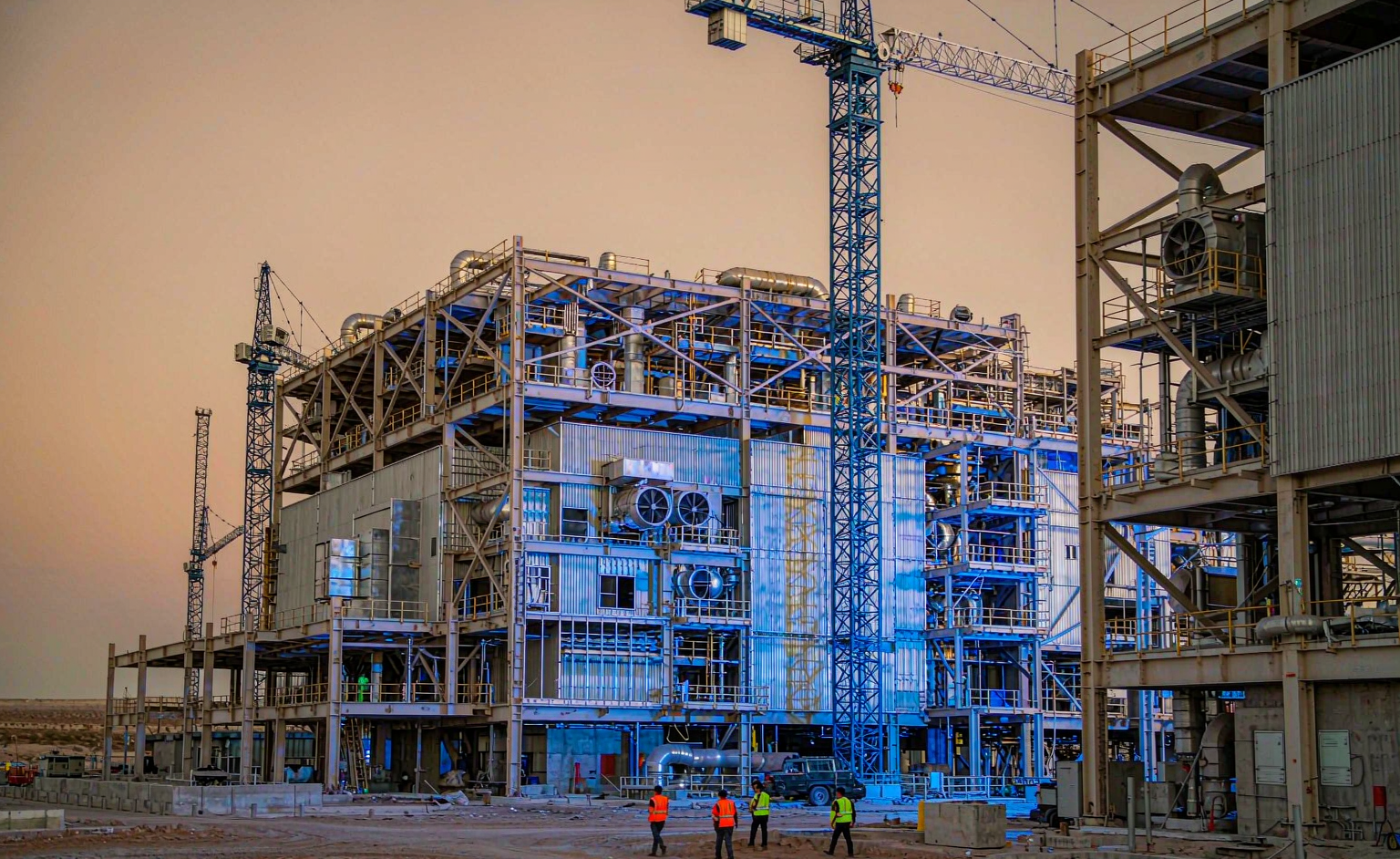
One terawatt a year, and no one to build it
Terafab was announced in March as a joint push by SpaceX and xAI, billed as the largest wafer plant ever attempted, with a target output of one terawatt of compute per year. Musk has said the site could eventually cost more than USD 100 billion, and that Tesla and SpaceX are still working out how to split the bill.
The argument was never about money in the abstract. Advanced process capacity is the bottleneck for AI training and inference, and most of that capacity comes out of TSMC. A single leading-edge fab costs hundreds of billions of renminbi before it produces anything, and the Arizona build already shows what the planning spend looks like. Terafab cannot be willed into existence without TSMC-grade process engineering, and there is almost no second player on earth at that level.
Intel is the piece nobody can place
Intel’s role is the least clear part of the picture. In April, Musk said Tesla would use Intel’s next-generation 14A process at Terafab, making Intel the first major chipmaker publicly tied to the project. The order mattered enormously to Intel, which had warned that 14A could be cancelled without a large customer before later confirming in quarterly filings that development would be completed. Terafab became its showcase for a foundry turnaround.
The market has already voted once on what a bigger TSMC role implies. In early October, when word of a possible TSMC entry first circulated, Intel shares fell more than 4 per cent in premarket trading and were still down 2.26 per cent after the open, on concern that TSMC would squeeze Intel out of Terafab. Analysts including Goldberg have made the strategic version of the same point: TSMC has long been wary of Intel, and a Musk-brokered alliance between the two is the combination it least wants to see. Taking the core work itself removes that risk, at the price of leaving Intel on the sideline.
Two things are being divided
Strip away the personalities and the negotiation is about two separate assets: who absorbs the execution risk of building the plant, and who holds the keys to operating it. Musk wants the compute artery in his own hand. TSMC will not hand over control of a fab it runs.
That is the deeper tell. The foundry model has survived every challenge since the 1990s because it separates capital risk from process know-how, and because Apple, Nvidia and AMD have never told TSMC how to run a factory. Vertical integration is the opposite bet, and Musk has made it work in cars, in battery cells and in xAI’s clusters. A wafer plant is the one place where the bet has nowhere to hide, because the process recipe is the product.
If the reported direction holds, the outcome is a TSMC-operated fab with Musk’s companies as the anchor tenant and co-investor. That is a smaller prize than owning the plant, and a far more credible one. It also quietly answers a question Washington has been asking about AI compute: the West’s most advanced logic capacity is concentrating in one company’s hands, and the largest buyer in the market has just concluded it cannot route around that.
Editor’s note: This is an adapted translation of the original OFweek report. It has been trimmed and restructured for readability for an international business audience. The full original (in Chinese) is at https://www.ofweek.com/ai/2026-11/ART-201714-8120-30709939.html.