Two months into the job, John Ternus called Craig Federighi into a closed room at Apple Park and told the man who has run software engineering for more than a decade that the company is far behind on AI. According to Bloomberg’s Mark Gurman, the new chief executive said Apple needs to move with the same urgency as its competitors and get past the stage of merely patching Siri.
The timing is awkward, because the same week brought the first real Apple Intelligence release in mainland China, and it landed flat.
A test paper two years late
Getting Apple Intelligence into China took Tim Cook two years of legwork. In Beijing in autumn 2024 he said regulatory processes were moving forward. In Shanghai in 2025 the language shifted to how AI would be integrated into daily systems. Last month, visiting a retail store in Shanghai, he finally confirmed that a first batch of features had cleared approval, with Alibaba’s Qwen as the cloud model partner.
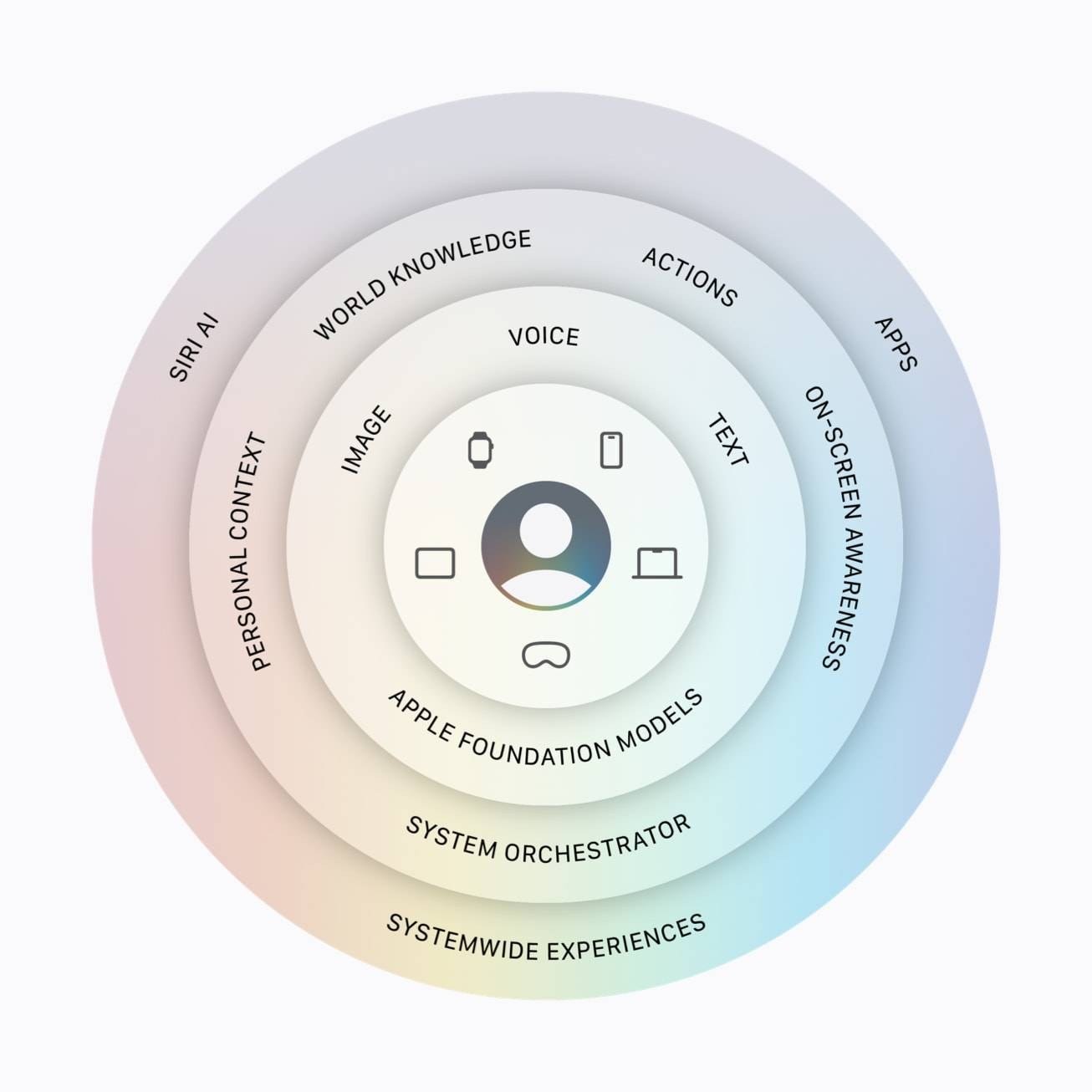
What shipped is thinner than the wait suggests. With no system-level framework for proactive interaction, Siri calling Qwen reads like an external plug-in rather than an operating system that understands intent. Chinese Android assistants have been chaining tasks across apps for a year, ordering food or booking a car in a single instruction. Apple’s version in its largest iPhone market still runs on single request, single response logic.
The footnote in Apple’s own press release is the tell. Next-generation Siri AI is absent in China, treated the same way as the European Union. Even in markets where it does work, the experience stays close to screen summaries and one-step commands.
The double face of Ternus
On the earnings call for the fourth quarter of fiscal 2026, Ternus was measured. He told analysts Apple finally has the Siri it always wanted, and when pressed on autonomous agents he repeated the company’s caution: users must know which permissions they have granted, and Apple will not trade privacy for autonomy.
Behind the closed door, the patience had run out. Hardware engineering, the world Ternus came from, runs on three to five year cycles anchored to silicon and industrial design. Federighi’s software organisation has preferred twelve to eighteen month rolling cycles and has been sceptical of generative AI’s safety and hallucination record. Gurman reports that Federighi’s style inside the software team is dominant, steering debates through command of technical detail, which has made it hard for more aggressive experiments to get airtime.
The password agent that was pulled
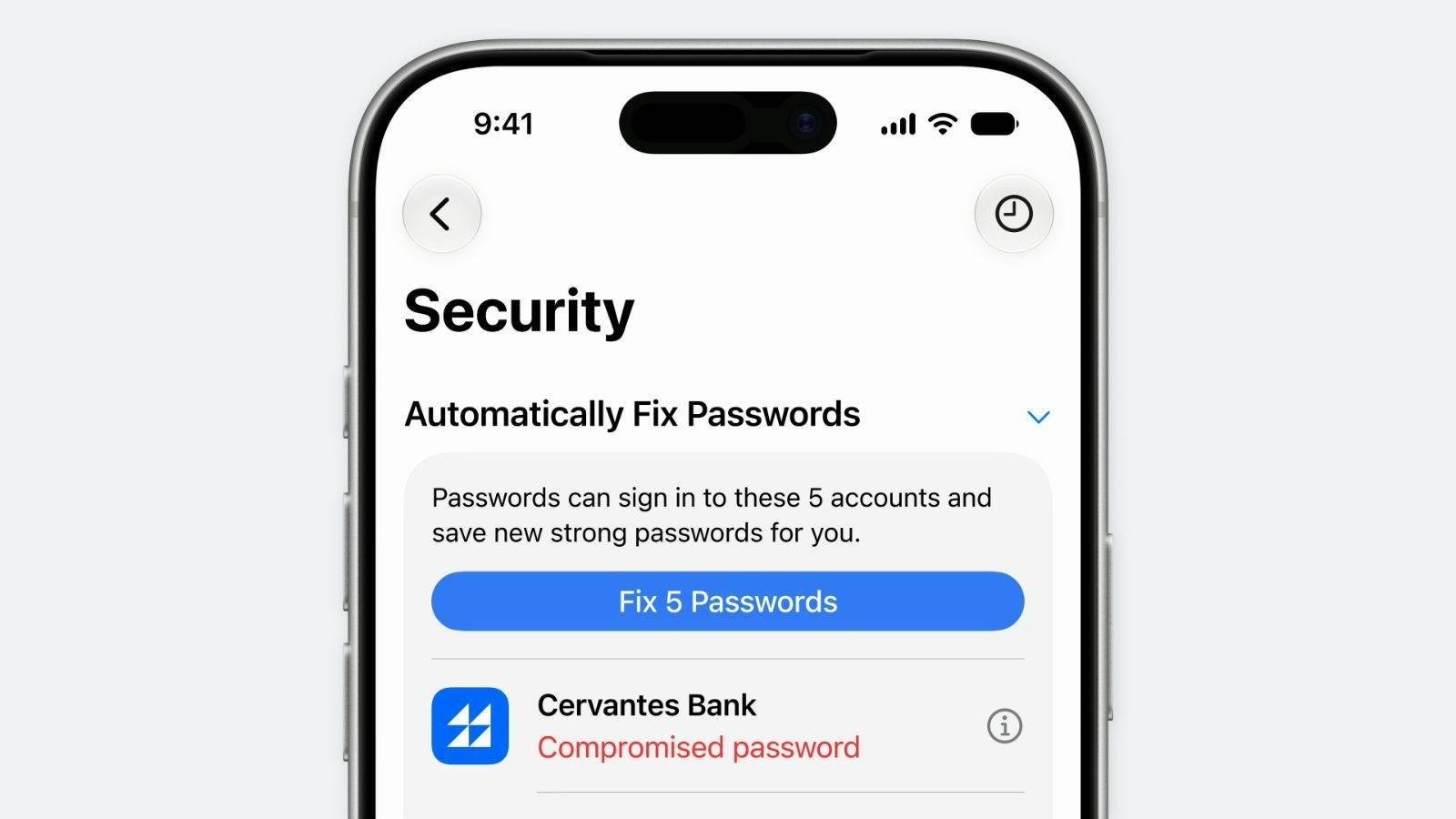
Apple has prototyped the future and then withdrawn it. At WWDC26 the company demonstrated a near-agent: the system password manager detecting a weak credential, opening Safari on its own, navigating to the site, changing the password and writing the new one back to the keychain. The feature appeared briefly in a beta and was quietly removed.
The retreat explains the hesitation. iOS has depended for fifteen years on a conservative order in which every app sits in its own box and the user taps and confirms each step. An agent task like changing a password requires the system to drive the browser, parse unknown forms, submit them and handle error pop-ups. One layout change or a slow load and the loop breaks.
Engineering rhythms are being adjusted to break the deadlock. For the next generation system, iOS 28, Bloomberg reports that Apple is changing its first milestone from four weeks of coding plus four weeks of integration to six weeks of exploration plus two, pushing weight forward to give engineers room to try radical agent architectures.
The ecosystem is opening in parallel. The day after the earnings call, Apple’s developer site published tools for iOS 27.3 that deepen App Intents and add a new Skills framework, which packages complex workflows into modular blocks so developers can fill the system-level gaps. iWork and Creator Studio are adding support for the Model Context Protocol.
Privacy is the real wall
Refactoring a development process is the easy part. Apple’s position on privacy is harder to move. In the overseas Siri Recap feature the system promises not to retain any original recording, strips speaker names from transcripts and produces only de-identified structured summaries. That on-device, no-original, no-name processing is the reason people tolerate an always-listening phone.
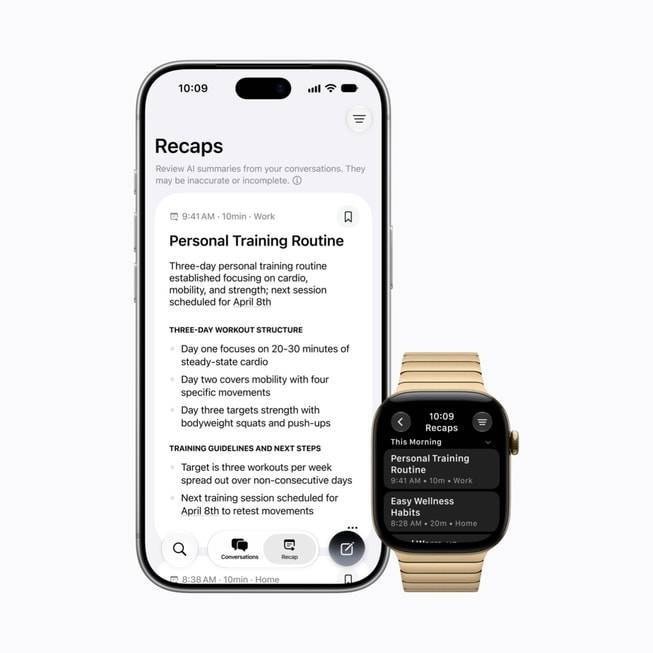
An autonomous agent needs the opposite: long, continuous, detailed memory of what the user did, with whom and when. If that record is physically erased, a butler that books dinner before you ask is logically impossible. How far the system may act on your behalf is not only an engineering trade-off. It is a question Apple has to answer for users before it asks them to hand over the phone.
When Cook first said the words Apple Intelligence at WWDC24, the promise was a dignified balance of model intelligence without surrendering personal data. Two years on, the company is stuck at the threshold between a single-turn assistant and a real agent, testing the border between privacy and convenience one feature at a time.
Ternus has now chosen a direction. The era in which careful defence and small steps were enough has ended, and the most valuable hardware franchise in the world has to walk out of the safe zone it held for fifteen years.
Editor’s note: This is an adapted translation of the original Sohu Tech report. It has been trimmed and restructured for readability for an international business audience. The full original (in Chinese) is at https://www.sohu.com/a/1099716342_413981.