On 19 November, Cailian Press reported that Foxconn subsidiary FIH had won an assembly order for an OpenAI phone, with the first device possibly arriving in late 2027 or 2028. OpenAI has never confirmed it is building a phone, but supply-chain reports have continued since April. In China, an AI company’s phone is already in its second generation. It is called the Doubao phone, and on it, asking an assistant for a ride is easy. Asking it to reply to a friend on WeChat that you have got in is not.
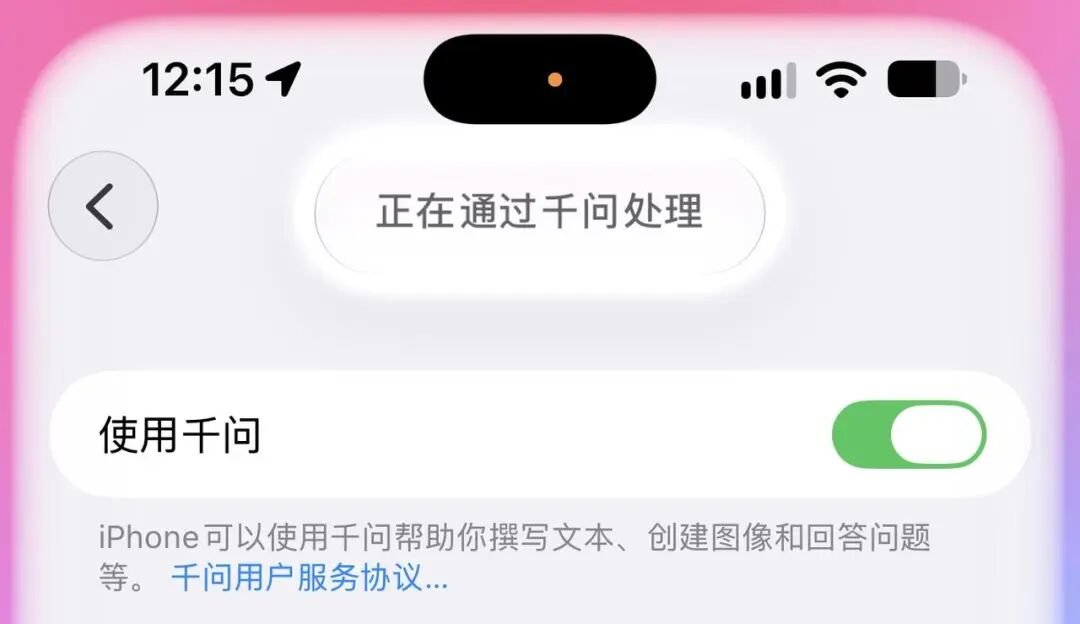
Under the demo published by Cao Cao Mobility, a user presses the side AI key, Doubao reads the address on screen and the route and vehicle type are chosen in conversation. Once inside the car, the assistant cannot tap send in WeChat. WeChat, along with Taobao and Meituan, appears on a list of more than 150 apps that Doubao published on 14 October as refusing to let the assistant act inside their pages.
Two generations, still borrowing a handset maker
This is already the second Doubao phone. In December last year the first Nubia M153 was a limited engineering sample priced at RMB 3,499, with Doubao saying it had no plan to build its own handset and was talking to manufacturers. In September the consumer-facing Nubia NaviX Ultra launched from RMB 5,999. A year on, the only Doubao phones on sale still come from ZTE’s Nubia brand.
What ByteDance lacks after two generations is not a model or a willing partner. It is a handset maker it controls. How many Doubao phones ship in a year and whether a third generation happens are decisions made by the partner. Without volume, ByteDance has no leverage to bring WeChat to the table.
The assistant wants to complete tasks across apps, which requires a system-level permission. After the first sample shipped in December, Doubao gained INJECT_EVENTS on the M153, letting it tap and swipe like a finger. Doubao acknowledged the system-level permission and its stricter limits. Technicians quoted by The Paper said an assistant with it cannot simply be downloaded from an app store and installed on any device. It must be deeply bound to the handset. Xiaomi’s Xiao Ai and Honor’s YOYO have the same permission. In other words, Doubao wants the slot handset makers reserve for their own assistant, the one that appears when a side key is pressed.
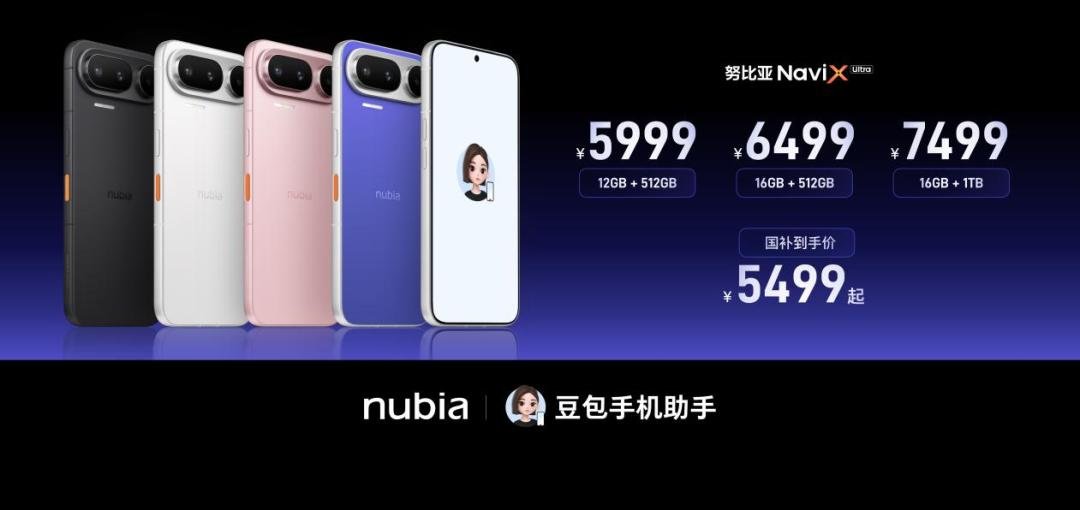
By the second generation the binding is tighter. ZTE says the NaviX Ultra’s AI key is integrated with fingerprint recognition and some tasks continue after the screen locks. Features like that require the assistant and handset teams to sit together while hardware and system functions are designed.
Why volume decides access
Handset makers with real sales are unwilling to give up that slot. They prefer to borrow models from outside. Honor became Alibaba’s first Qwen Intelligence partner in September, co-developing on-device models, but users still call YOYO. Apple’s China Apple Intelligence opened to developers on 4 November, with Siri routing some questions to Qwen and marking the answer, but users still say Hey Siri. Alibaba gets in as a supplier. ByteDance can get in the same way; Honor’s Magic8 used Doubao for online answers and image recognition last October. What it cannot get is the system assistant position.
ByteDance has spoken to Xiaomi, OPPO, vivo, Honor, Lenovo and Transsion, including proposals to replace the native assistant with Doubao. Few handset makers will hand over core data and distribution rights. An assistant decides which ride service or food delivery to use, and surrendering that position ends the handset maker’s say in those services. Their own assistants can do the same job. Cao Cao Mobility announced Doubao integration on 14 September, Honor YOYO on the 15th and a beta of OPPO’s Xiao Bu Next on the 17th. Three assistants in four days from one ride company, and no reason to give away the side key.
That leaves handset makers needing a story rather than volume. Doubao phone stock for 2026 is about 200,000 units for the whole year. China shipped about 57.9 million smartphones in the third quarter alone. That is not enough to open WeChat or Taobao. Apps that want another acquisition channel, such as Cao Cao, will connect to any assistant. Tencent and Alibaba are ByteDance’s rivals and guard their own distribution. An AI tapping through their pages bypasses their interfaces and advertising slots.
The Baidu parallel and the OpenAI comparison
Chinese internet companies know the feeling. Baidu announced Apollo in April 2017, with then president Lu Qi calling it the Android of autonomous driving. The partner list was long, but automakers were least willing to surrender driving, just as handset makers guard their assistants. Four years later Baidu built cars itself. It formed Jidu with Geely in March 2021 holding 55 per cent, restructured as Jiyue in August 2023 with Geely at 65 per cent and Baidu at 35, and Jiyue stalled in December 2024.
ByteDance is better positioned than Baidu was. The handset supply chain is mature, costs and iteration cycles are far lower than for a car, and Nubia has stayed for two generations. QuestMobile puts Doubao’s monthly active users at 382 million in the first half of 2026, although using the app on someone else’s phone is not the same as owning a Doubao phone. More importantly, ByteDance is not alone. Analysts say the reported OpenAI phone was greenlit precisely to deliver a complete agent service, requiring control of both operating system and hardware. If the reports hold, OpenAI wants a phone it controls too.
From that angle ByteDance is China’s OpenAI. Doubao is the country’s most-used AI app and wants its assistant to operate the phone directly, already two generations in. If OpenAI’s device ships, an AI company making a phone stops being novel and Chinese handset makers will guard the assistant slot more tightly. Rumours include a package of ZTE’s handset business into a joint venture with an internet company and local state capital, which ZTE publicly denied on 3 November. No party has confirmed a ByteDance acquisition of Nubia. Even owning a handset maker only buys entry. ByteDance’s hardware record is thin. It took over Smartisan’s phone team in 2019 and paused the business in January 2021. Pico, bought in 2021, saw deep layoffs by November 2023. But those ventures lacked something that only the handset maker can provide: the system permission Doubao needs. On 6 November, the MIIT published rules requiring app stores to push developers to declare by digital signature whether agents may invoke them. The door still has to be negotiated open. The chips on the table are the number of people using Doubao phones, and only its own handset maker is likely to make that number big.
Editor’s note: This is an adapted translation of the original 36Kr report. It has been trimmed and restructured for readability for an international business audience. The full original (in Chinese) is at https://36kr.com/p/4077729297667205.