On 9 September, a visit to the Junlian Electronics plant in Longhua, Shenzhen, revealed nothing unusual at first glance. The workshop ran in good order, and workers on the line handled fine connection wires and harnesses that will be used in new-energy vehicles, robots, smart-home devices and even 3D printers. Behind the brands Huawei, DJI, Tesla and Changan sit these unremarkable wires.
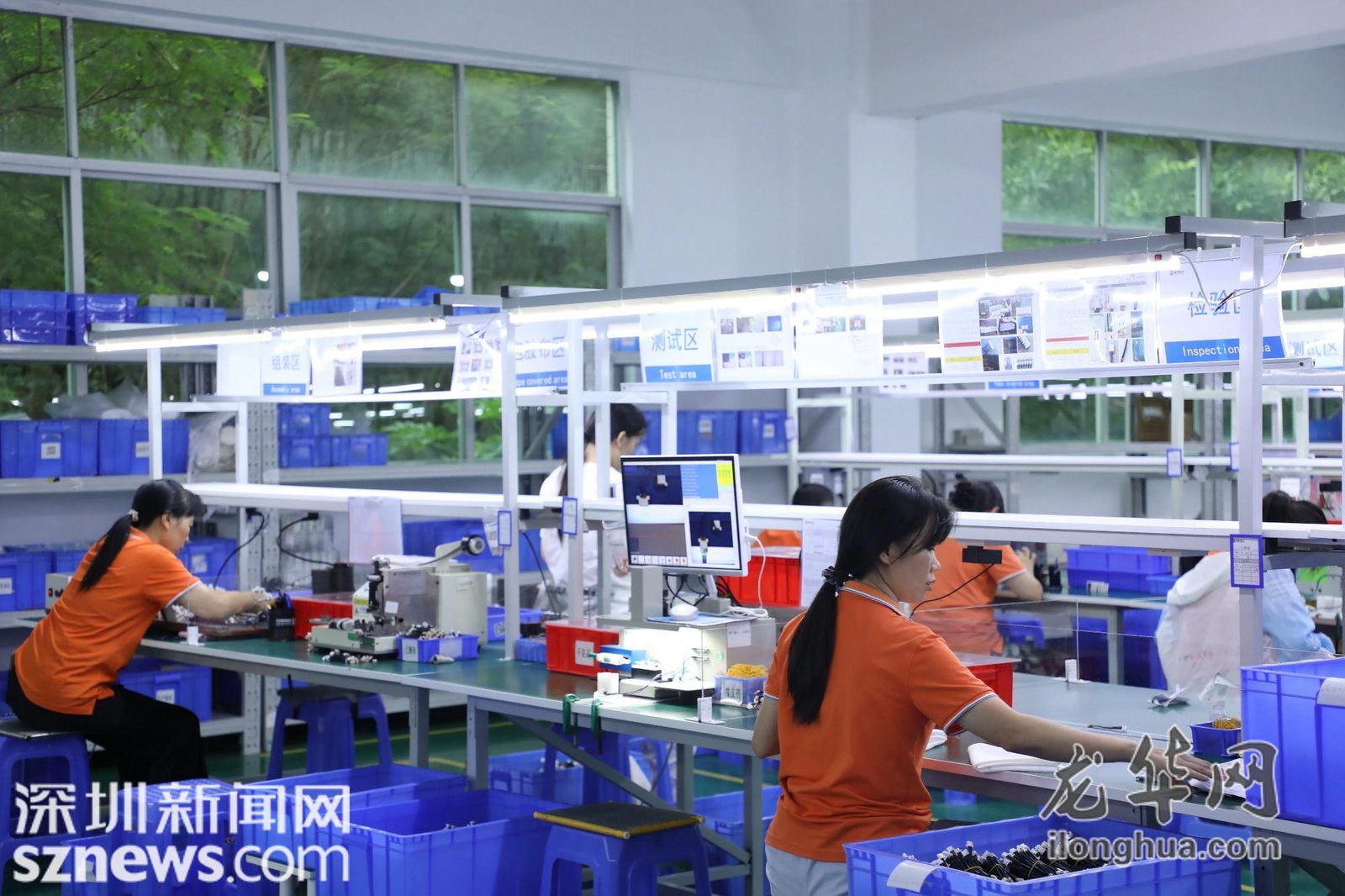
Look a little closer and something stands out. Some workers stand up using crutches, and some cannot hear and work wearing hearing aids. The factory has taken in more than 600 people, of whom over 60 are disabled, and they work, eat and draw the same pay as everyone else. There is no sign reading ‘care workshop’, no separate post, no note on the payslip.
Yu Dajun, the owner, started reserving places for disabled people inside the company from 2019, after a trip home to Sichuan moved him. ‘If one person in a family can work, the family will not collapse,’ he said. Donations are one-off, but a job is dignity that lasts. From September 2025 the plant began taking on disabled staff in earnest, as long as ‘their hands are fine’.
The first attempt put disabled workers in a separate zone with dedicated supervisors, but Yu found the separation itself was a label. He tore down that wall, cancelled the standalone line and spread disabled workers across ordinary teams. Those with mobility limits got seated work; those who cannot hear got quiet, purely operational posts.
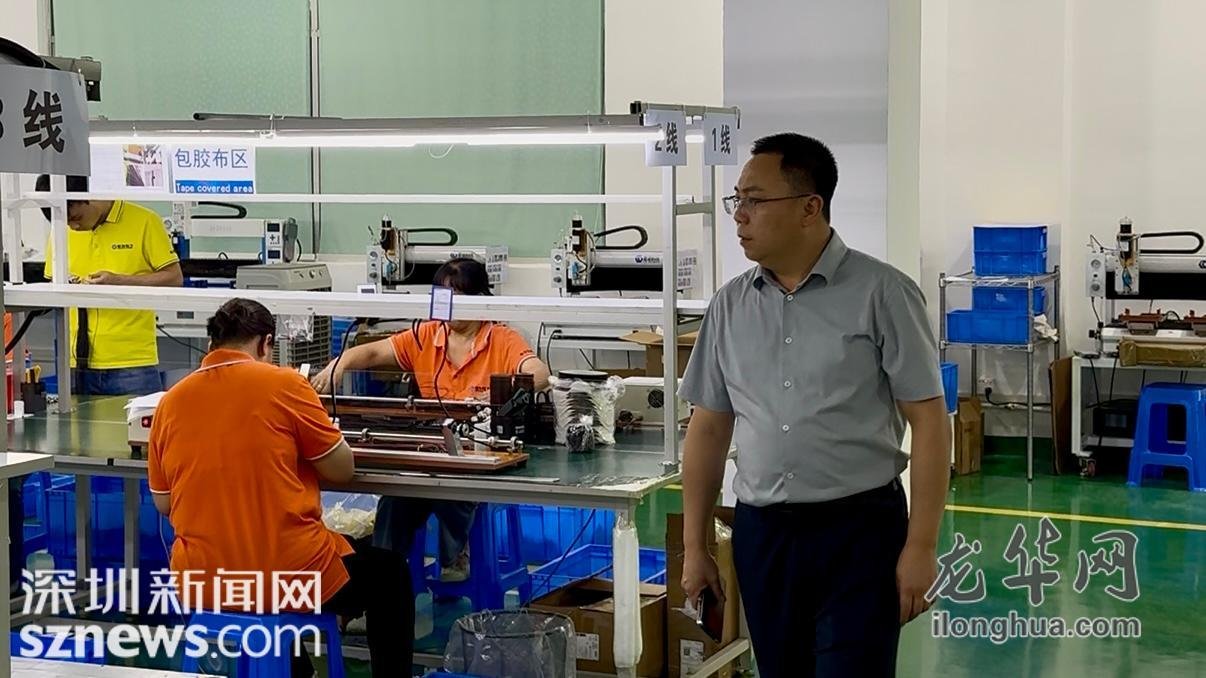
The environment was rebuilt detail by detail. A one-metre concrete block at the entrance, built for truck loading, blocked wheelchairs, so it was removed. The shared dormitory had no lift, so Yu rented a separate building with lifts at higher cost. Wages match able-bodied staff, social insurance is paid in full, and festival gifts and year-end draws are for everyone. ‘No special group list, no special treatment. That is the best care,’ he said.
Ren Xuhui lost her hearing in 2024 and feared she would never find work. At Junlian she was placed in general assembly. ‘I got a job and my confidence back,’ she said. Huang Zhusi, who has limited mobility, said he could work as an equal here without discrimination.
Junlian now runs sites in Shenzhen, Heyuan and Luzhou, focused on high-end fields such as new-energy vehicles, robots, smart homes and 3D printing. Headquartered in Longhua with about 200 staff, it grows steadily through automation. In December 2025 Yu was elected head of the Shenzhen Luzhou chamber of commerce, and he has carried the hiring philosophy into the group, with two or three member firms now trying it too.
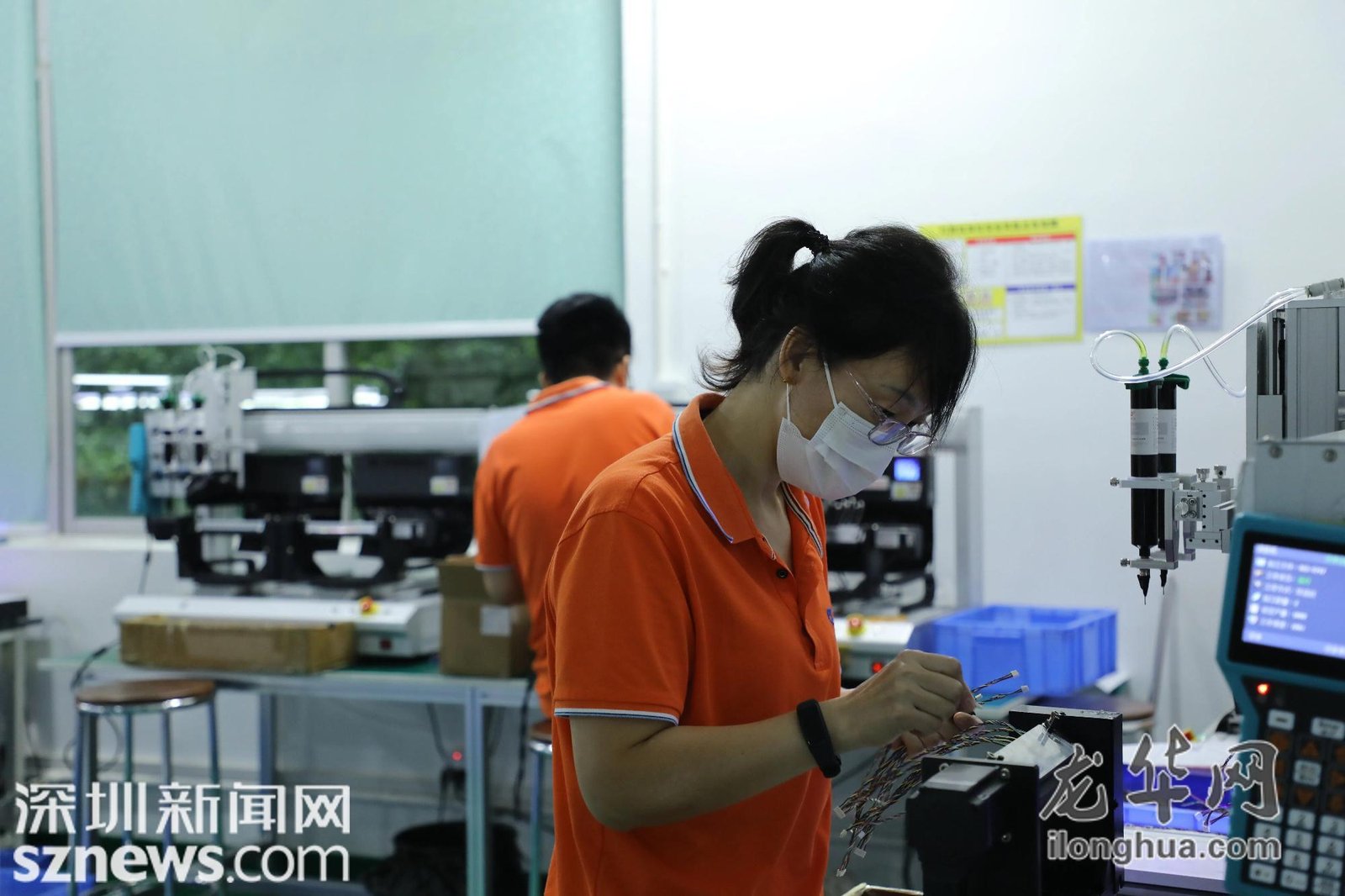
True kindness, Yu says, is never a loud charity. It is letting every person who works hard need no special label. In Longhua, where so many chase dreams, the hardest warmth is simply giving everyone the right to chase theirs.
Editor’s note: This is an adapted translation of the original Sznews (Shenzhen News) report. It has been trimmed and restructured for readability for an international business audience. The full original (in Chinese) is at https://www.sznews.com/news/content/2026-09/09/content_32167984.htm.
Translated and adapted from Sznews (Shenzhen News) (https://www.sznews.com/news/content/2026-09/09/content_32167984.htm).