The British government is expected to cut its 2030 zero-emission vehicle sales target by about a quarter, to roughly 60 per cent, according to a Guardian report on 8 November citing government sources. Ministers are also expected to extend the policy’s flexibility mechanism to 2034.
The zero-emission vehicle mandate, introduced in 2024, sets a rising annual share of new car sales that must be zero emission: 33 per cent in 2026, 80 per cent in 2030 and 100 per cent in 2035. The reported change leaves the 2035 end point in place and removes most of the pressure in the middle of the curve.
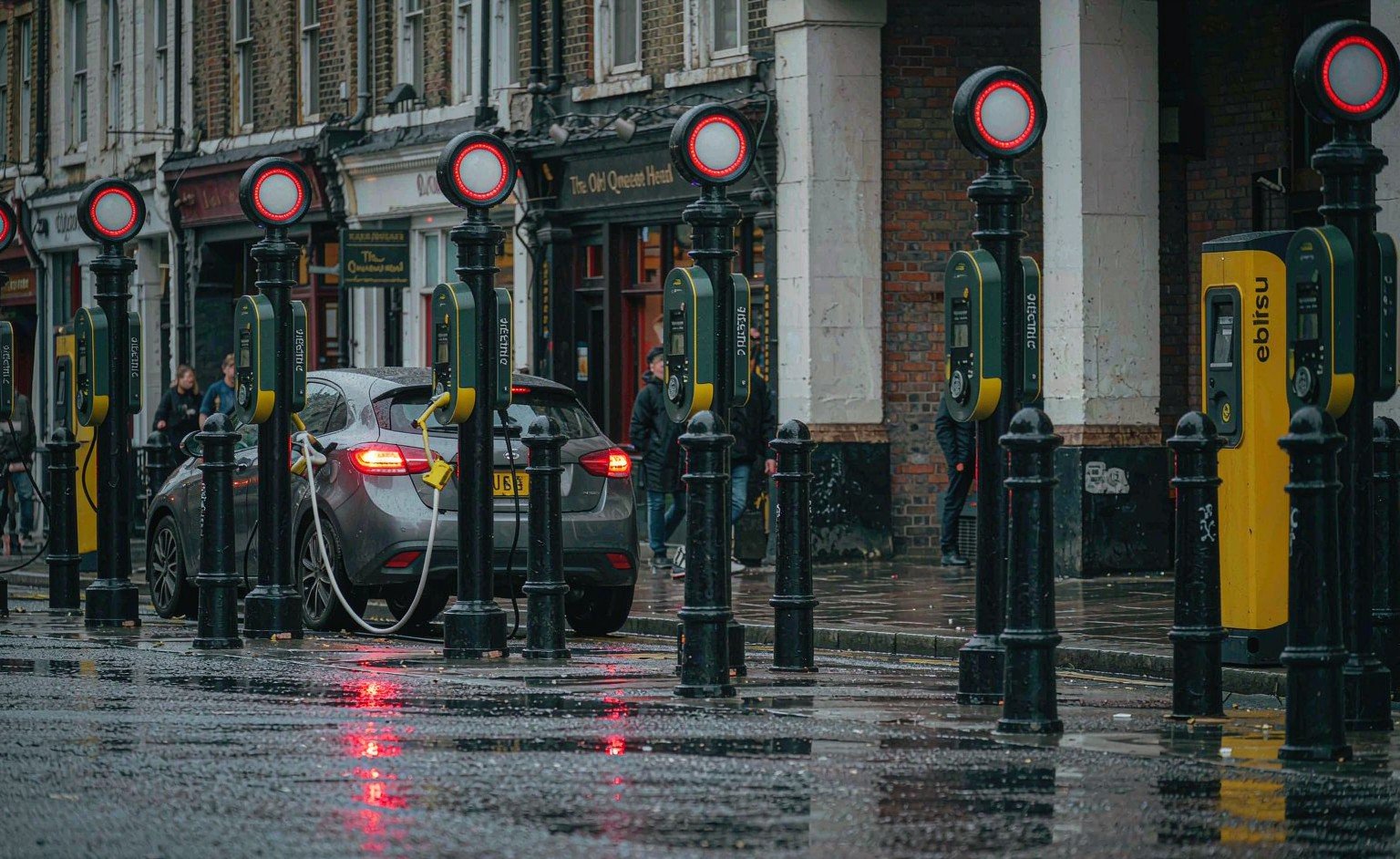
The demand number did not cooperate
In October, battery electric cars took 34 per cent of new registrations across twelve major European markets, a record for the month and up from 22.4 per cent a year earlier. Germany set a new high.
That figure matters because it is already above the 2026 British target of 33 per cent, four years early on the original schedule. The constraint on adoption in Europe this autumn has not been consumer appetite. It has been supply and cost: Volkswagen’s ID Polo is short of cells, and the electric GLC from Mercedes is sold out for the 2026 model year.
Volkswagen expects battery electric cars to reach cost and margin parity with combustion models only when the SSP architecture arrives around 2030. That single sentence explains more about the lobbying than any climate argument.
The residual value problem nobody wants to own
BMW, Volkswagen and the leasing company Ayvens are all warning that the shift to electric is hitting the resale value of petrol and diesel cars, and through that, lease profitability. In Germany the gap between battery electric and combustion residuals has narrowed from about 10 percentage points at the end of 2025 to roughly 6 points in August.
Cheaper electric cars are good for buyers and bad for anyone holding a fleet of used combustion vehicles. The industry’s response has been to ask governments to slow the transition rather than to reprice the assets.
Brussels is on the same clock
Germany and France are jointly pushing to weaken the EU’s 2035 car carbon target, in effect seeking to cancel the combustion engine ban. Several member states oppose the move. Ireland has proposed a compromise that would extend deadlines for carmakers while requiring the remaining 10 per cent of the reduction through carbon offsets.
EU permanent representatives discuss the file on 11 November, and the European Parliament plans to vote before the end of the year.
What it means for Chinese exporters
The two markets where Chinese electric cars have gained most traction outside China are precisely the two now softening their mandates. A weaker British target reduces the volume that importers can sell without paying for compliance, and a weakened EU 2035 rule lowers the urgency for European incumbents to buy Chinese platforms or batteries to hit a deadline.
The offsetting factor is that demand is running ahead of policy anyway. October’s 34 per cent share was achieved under rules written years ago, in a quarter when petrol prices were pushed up by conflict in the Middle East and consumers moved on price, not on mandates.
Two clocks are now running in opposite directions. Volume keeps arriving. Policy keeps retreating. The gap between them is where the next two years of European pricing will be decided.
Editor’s note: This is an adapted translation of the original Gasgoo report. It has been trimmed and restructured for readability for an international business audience. The full original (in Chinese) is at https://auto.gasgoo.com/news/202611/9I70477371C108.shtml.