For most of the electric vehicle era, Chinese carmakers bought batteries the way they bought any other part: tender, compare, squeeze, sign an annual frame agreement. That model is being replaced by shareholdings.
The clearest case is Sunwoda Power. Li Auto and Xiaomi both injected capital, for a combined RMB 4.35 billion. Li Auto is now the second-largest shareholder and Xiaomi the third.
What equity buys that a purchase order does not
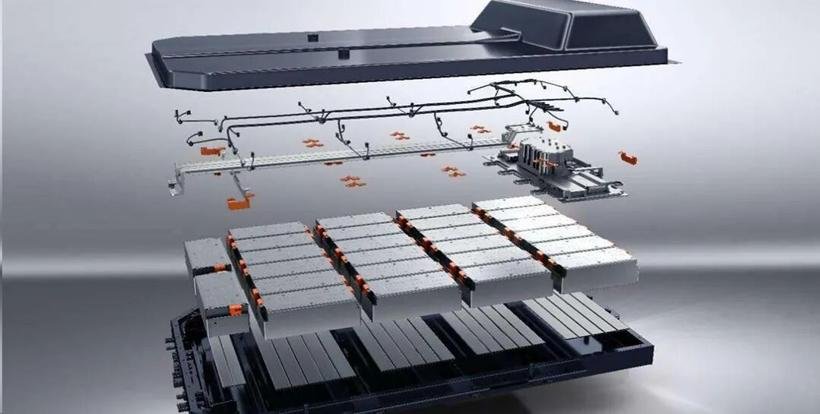
The purpose is not to secure tonnes of cells. It is to secure the right to define them. Li Auto leads cell chemistry, pack structure and battery management system development, with Sunwoda handling manufacturing. Xiaomi’s battery line carries more than 8,000 quality checkpoints, staffed in part by Xiaomi engineers stationed at the supplier.
The two sides previously had incompatible incentives. A cell maker maximises utilisation by selling standard cells to as many customers as possible. A carmaker needs a specification its competitors do not have, on a schedule its launch plan requires. A purchase contract cannot reconcile that. Equity can, because both parties then earn from the same end product.
The failure mode of the old approach is familiar. A model sells well, cell capacity becomes the constraint, delivery slips, and the launch window closes. When raw materials rise, suppliers allocate to the customers with better margins. On next-generation cells, carmakers without a seat at the table receive generic products.
Nobody has gone exclusive
No major carmaker has handed its entire three-to-five-year battery requirement to the company it invested in. Li Auto kept its five-year strategic agreement with CATL while becoming Sunwoda’s second-largest shareholder. CATL itself operates joint ventures with SAIC, GAC, FAW, Dongfeng, Geely and Changan.
So the structure is now three-layered: equity in a second-tier cell maker to buy specification control, a joint venture with a tier-one supplier to guarantee volume, and two or three external suppliers as backup. It spreads risk and preserves optionality across chemistries.
The same shift, with a harder problem
Advanced driver assistance has gone further, because software cannot be specified in a purchase order at all. Some carmakers build the full stack, some bind tightly to a supplier, and some run both in parallel.
SAIC and Momenta created a joint venture in which Momenta holds 51 per cent and SAIC group companies hold 49. SAIC is also Momenta’s largest external shareholder, and Momenta holds shares in IM Motors. Seres and Avatr took stakes in Yinwang to buy certainty on Huawei technology, while the HIMA-branded models remain under Huawei’s full process control.
The common thread is that carmakers have stopped positioning themselves as the integrator at the bottom of the chain and started buying into the layer that sets the specification. Comparative pricing and annual framework agreements cannot match the pace at which Chinese electric vehicles are now revised.
Editor’s note: This is an adapted translation of the original Gasgoo report. It has been trimmed and restructured for readability for an international business audience. The full original (in Chinese) is at https://auto.gasgoo.com/news/202611/12I70477729C103.shtml.