The memory shortage has claimed its first recognisable handset brand, and the way it happened says more about the structure of the industry than about any single company’s product decisions.
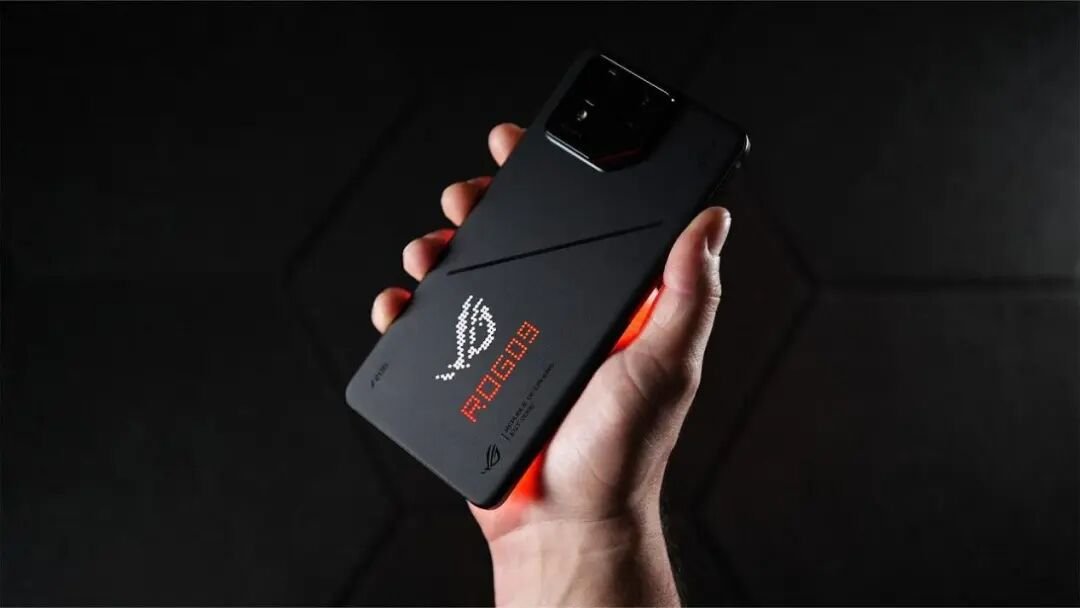
Asus has signalled no new smartphones this year, saying only that its handset unit would keep operating. Supply chain reporting now indicates its fourth-quarter inventory has largely sold through. Empty inventory with no successor product is not a pause. It is an ending, and the proximate cause was the cost of memory rather than the quality of the phone.
The 2019 wave, and why this one is different
China’s smaller handset brands went through one consolidation around 2019. Gionee collapsed within a year of its financial failure, carrying close to RMB 21.1 billion in liabilities. Meitu licensed its handset brand to Xiaomi outright and left. Smartisan was absorbed by ByteDance, its founding team departed and Luo Yonghao exited the industry. The 360 handset business was suspended and never returned.
In each case the cause was competitive: the top of the market had formed, the economics of being eighth were unwinnable and the brands folded.
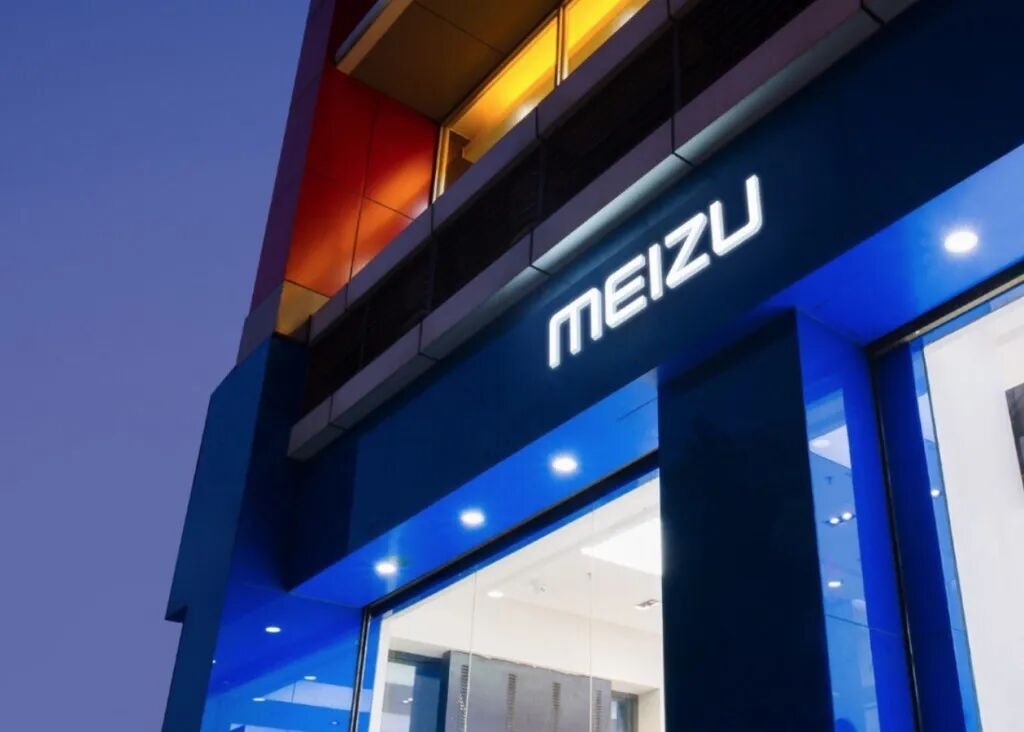
This year’s wave has a different cause, and it may be the last one because there is almost nothing left to consolidate. Meizu responded to suspension rumours in February by pausing domestic product development and pivoting. It had already cancelled the launch of the 22 Air and confirmed the 23 would not reach the market. Three years earlier Geely had acquired the company and set a target of returning to the top five in the domestic mid-to-high segment within three years. That target was not met, and the brand has now been set aside.
Black Shark followed the same path more quietly. Its community servers went down for maintenance in June and in July its support engineer announced that official repair and after-sales for handsets had stopped as part of a business restructuring. The last launch was in 2022, and the phone planned for 2023 never shipped. Only RedMagic remains in gaming handsets.
Concentration removed the floor
In 2025 the Chinese market shipped with Huawei first at 46.7 million units, Apple at 46.2 million and Vivo at 46.1 million, with Xiaomi and Oppo taking the remaining places. Those five accounted for 79.4 per cent of the market, and the share is rising. In North America Apple went from 51 per cent in the first quarter of 2022 to 69 per cent in the fourth quarter of 2025.
Concentration alone did not kill the small brands. It removed their pricing room. When the majors filled in their weak spots, moved down into the sub-segments and matched on specification, the niche brands had no defence left except loyalty, and loyalty does not survive a price increase.
The memory shortage delivered that increase. Since last year supply has tightened and prices have climbed, and a vendor shipping ten million units annually absorbs the increase across a base that a two-million-unit brand cannot match. Smaller vendors have limited allocation rights at any price, and industry accounts say small manufacturers now struggle to secure memory at all while larger buyers pay a premium to get it, with the increase passed downstream.
The percentage that decides survival
IDC estimates that memory’s share of a low-end handset’s cost has risen from 10 to 15 per cent to between 40 and 50 per cent. Omdia puts the figure above 64 per cent for devices selling under USD 99. The further down the price ladder, the weaker the ability to pass cost through, and the less scale available to absorb it.
Scale is not sufficient protection either. Transsion, which ships at enormous volume, spent its own cash and borrowed money to stockpile memory, and the balance sheet shows the cost. Operating cash flow went from an inflow of under RMB 5.9 billion in the first half to an outflow of nearly RMB 9.9 billion for the first nine months, against an inflow of RMB 3.29 billion a year earlier.
Stockpiling does not reduce a cost, it delays it, and the price of the delay is cash and inventory risk. If the window it buys is not used to raise prices and restructure the product mix, the hoard becomes the problem. ZTE is reportedly in talks with a large internet company about bundling its handset business.
The part that travels
The memory shock is not confined to phones. Memory and storage consume close to 40 per cent of a PC bill of materials, which lifts retail prices and suppresses replacement demand, turning a cost problem into a structural one.
DIGITIMES expects combined 2026 shipments from the four largest consumer motherboard makers, Asus, Gigabyte, MSI and ASRock, to contract 28 per cent, about 11.7 million boards. Asus shipped 15 million boards in 2025, managed just over five million in the first half of 2026 and is expected to hold about ten million for the year, down 33 per cent. Its handset line was under 10 per cent of revenue and had not delivered a stable profit, and the 2018 restructuring produced a one-off loss of about NT$6.2 billion, roughly RMB 1.36 billion.
Dropping an unprofitable phone business to protect the core is the rational move for Asus. The lesson for anyone building hardware in China is less comfortable. When a component market tightens, allocation follows volume, volume follows allocation, and the brands in the middle discover they were never competing on product.
Editor’s note: This is an adapted translation of the original 36Kr report, which republished material from Daozong Youli. It has been trimmed and restructured for readability for an international business audience. The full original (in Chinese) is at https://36kr.com/p/4059027988812929.