An angel round for a non-consensus route
Oak Fruit Robotics has announced an angel round led by China Merchants Venture and NIO Capital, with a Tsinghua alumni seed fund following. Four months after a near-RMB 100 million seed in March, the company has now completed two rounds with a cumulative several-hundred-million-yuan raise.
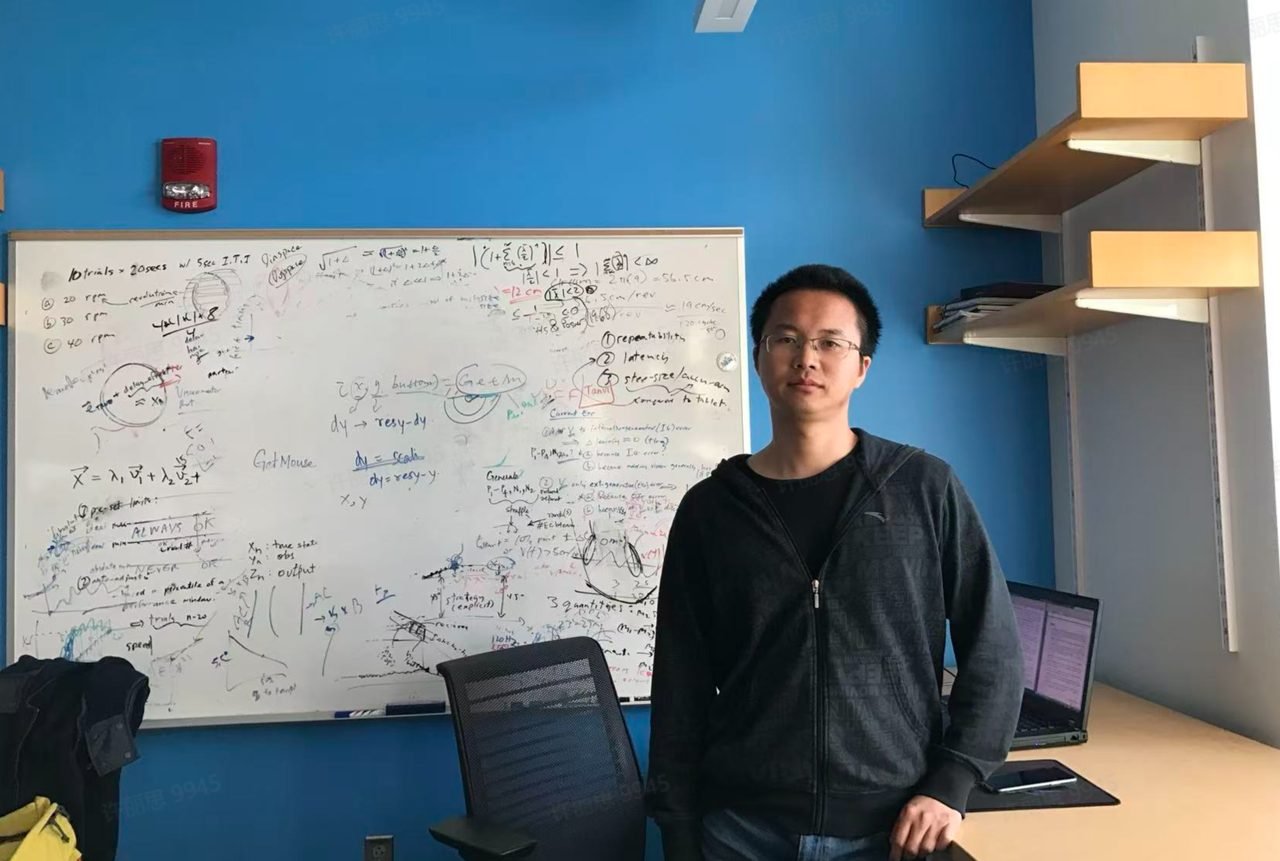
Oak Fruit was founded at the end of 2024 and calls itself the world’s first general embodied-intelligence company built on an “instinct-driven” technical paradigm. The core team comes from Tsinghua and Harvard, spanning mechanical engineering, neuroscience and artificial intelligence, with about 15 years in robot manipulation. Founder Jiang Yao is an associate researcher at Tsinghua’s Department of Mechanical Engineering, earned his PhD there in 2016 and did postdoctoral work at Harvard’s SEAS.
Why instinct, not vision
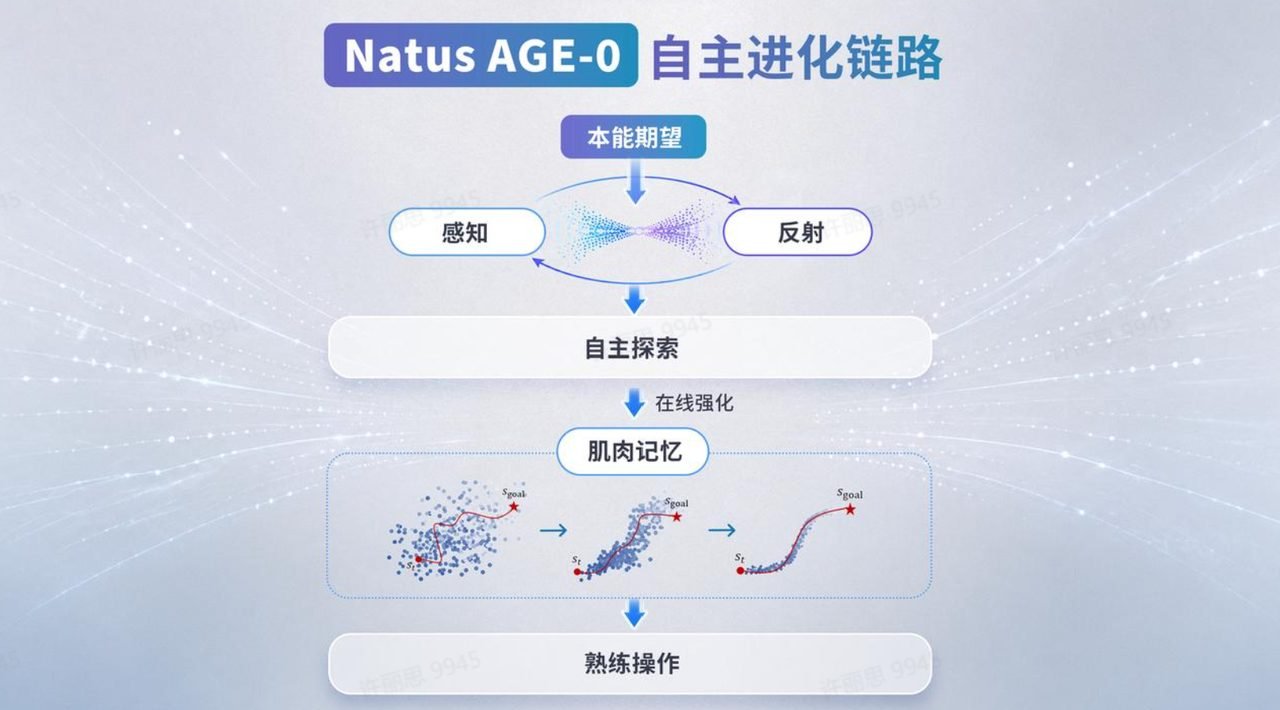
In 2017 Jiang proposed instinct-driven embodied manipulation. Oak Fruit rejects the dominant vision-led, large-model, massive-data paradigm and instead builds perception-operation links bottom-up from touch as the physical-sensing base, forming muscle memory through instinct reflexes so the robot evolves its operation ability and generalises across bodies, platforms and tasks.
The company also released Natus AGE-0, described as the industry’s first general manipulation base model built on touch perception that replicates human operation mechanics. It does not rely on massive labelled scenes, is not bound to a specific robot body and does not limit fixed materials or conditions, giving zero-sample generalisation from touch and contact-mechanics principles.
From reflex to skill
Because re-exploring every task cannot meet industrial efficiency and stability needs, Oak Fruit also builds the Magis general-skill model on top of Natus. Magis uses the precise touch-semantic data Natus generates in real interaction, such as object weight, centre of mass and friction, to semantically enhance visual data and train skill models, moving the robot from “knows at once” to “skilled at once”.
The company is polishing a standardised dual-arm flexible production cell using self-developed visuo-tactile sensors, end-effectors and the embedded Natus instinct model, serving fast-moving-consumer and food clients with many SKUs, small batches and fast iteration. It ran a POC with a top global cosmetics ODM in two months and already earns commercial revenue.
The long road from lab to line
Jiang says the biggest turn came when the team moved from pure technology to serving its first customer: the product, not the POC or demo, is what creates value. Technology is a means, not a need. The client cares only about production and ROI, which is why Oak Fruit entered flexible production, where a client with over a thousand product categories struggles with line retooling and relies on unstable labour.
Oak Fruit stayed nearly alone on the touch route for years. Jiang notes the industry only began forming consensus on touch’s importance in 2026, and that most entrants came from large-language models and autonomous driving with a strong data-driven tool they assumed transferred to manipulation. Oak Fruit’s nine-year head start and its physical-feedback data are the real barrier a demo cannot manufacture.
More from the original report
Editor’s note: This is an adapted translation of the original Zhidx report. It has been trimmed and restructured for readability for an international business audience. The full original (in Chinese) is at https://www.zhidx.com/p/583378.html.