On 19 August, Pony.ai and global mobility platform Uber announced a further expansion of their strategic cooperation, planning to deploy over 2,000 Pony.ai Robotaxis across five European cities, one of the largest Robotaxi deployment plans in Europe and taking Pony’s overseas deployment plan past 4,000 vehicles in total.
The expansion with Uber will extend from the existing commercial operation in Zagreb, Croatia, to five European cities including Zagreb. Zagreb’s Robotaxi service is about to join the Uber platform, letting users hail a Pony.ai Robotaxi through the Uber app.
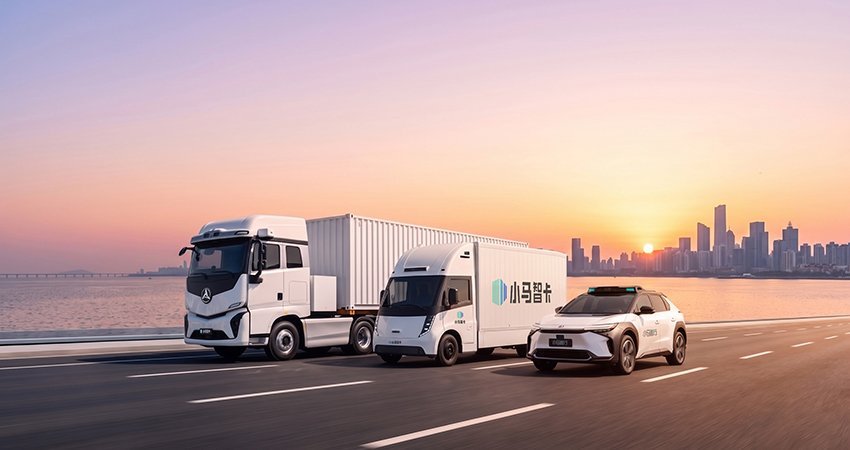
The question is why one technology, product and operating model can be copied quickly across cities. In this cooperation, Pony.ai provides the L4 virtual driver, proven user experience and operating know-how, while Uber provides user reach, hailing, payment, customer service and a hybrid capacity network, with daily fleet management handled by locally chosen partners. Technology, platform and operations are organised into one “co-built fleet” system.
Compared with full self-operation, this division reduces duplicated build-out. Pony.ai need not build a ride-hailing platform and full offline operations from scratch in every overseas city, and Uber need not develop an L4 autonomous-driving system. Each side brings its strength and introduces partners familiar with local markets for vehicle management and city operations, with vehicle funding and asset ownership arranged flexibly.
Under the disclosed framework, participants can take multiple roles by local conditions, with who funds the vehicles and who holds the assets arranged per city. This lets one cooperation model adapt to different markets rather than redesigning a business architecture for each city. Co-building does not skip localisation. Entering new countries and cities still requires regulatory talks, vehicle access, testing and operating licences, exactly where local partners, especially experienced ones like Uber, add value, while Pony adapts products to local roads, traffic rules and user needs.

Zagreb had already validated the model. In May this year, Pony.ai, Uber and Croatian local firm Verne launched a commercial Robotaxi service there, a single-city proof that the three partners now aim to repeat across varied cities and regulations.
Uber’s core reason for expanding is straightforward: it needs Robotaxi capacity that can serve complex old-European city centres, take rides at rainy peak demand, at low enough hardware and operating cost. Pony.ai has crossed from tech testing to commercial operation. It runs fully driverless commercial Robotaxi services in Beijing, Shanghai, Guangzhou and Shenzhen with 1,975 vehicles, and its global autonomous-test mileage exceeds 100 million km, including over 40 million km fully driverless. Complex roads, real users and routine operations tested its system’s safety and stability.
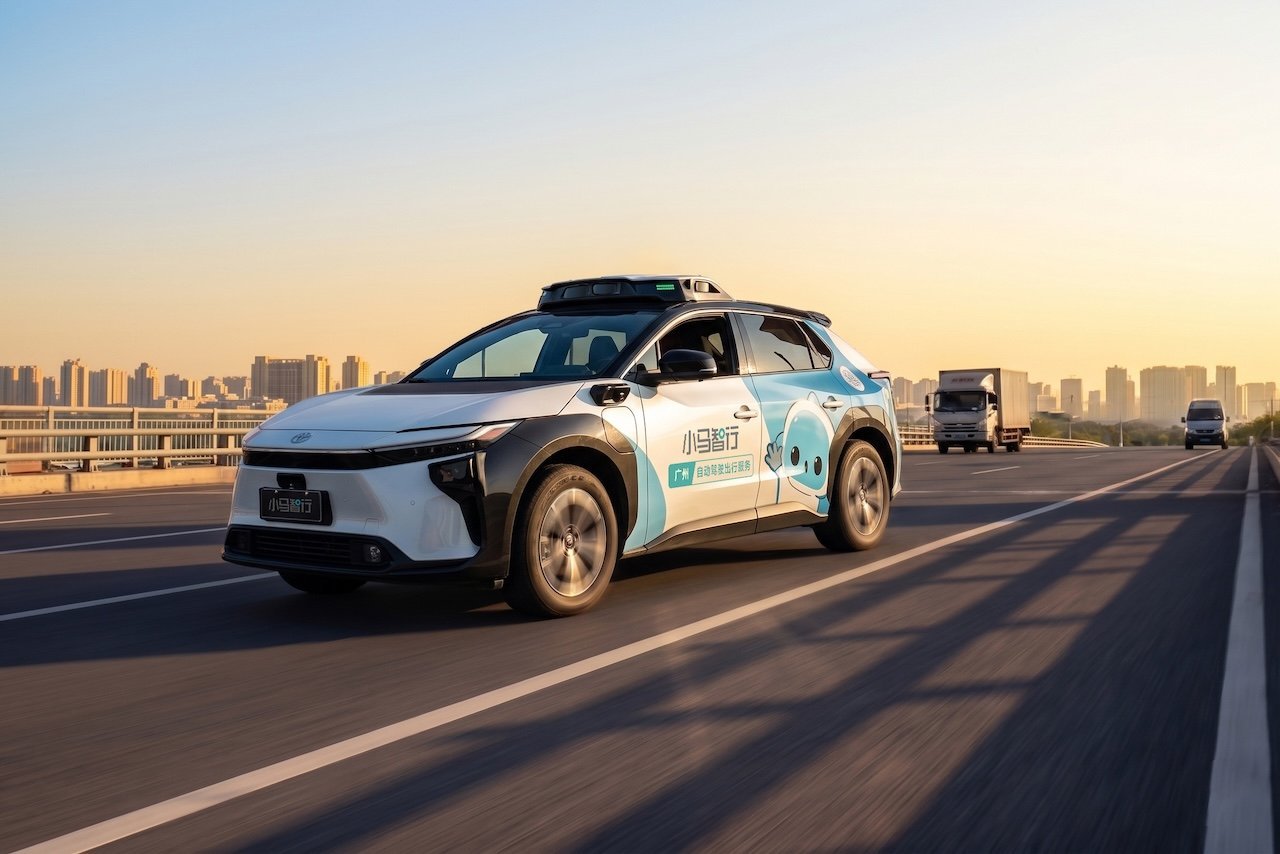
Beyond technology, commercial capability matters. Pony.ai’s seventh-generation Robotaxi has reached per-vehicle profitability in Guangzhou and Shenzhen, showing the unit economics can close. For Uber, only when the per-vehicle model works can autonomous capacity scale from a few demonstrators to a sustained thousand-vehicle fleet. Mass-produced, car-grade vehicles further widen the deployment space. Pony’s seventh-generation Robotaxi is built for scaled production and deployment, validated in real operation on technology, safety, experience and cost.
Cost is the clincher. Founder and CEO James Peng has said Pony’s vehicle cost is about one quarter to one fifth of Waymo’s, a gap from R&D, supply chain and engineering. Lower vehicle cost lets overseas partners deploy more cars for the same money and leaves more room for return on investment. To Uber, Pony offers not just an L4 virtual driver but a mass-producible model, proven experience and a sustainable per-vehicle economy, which is why Uber chose to double down.
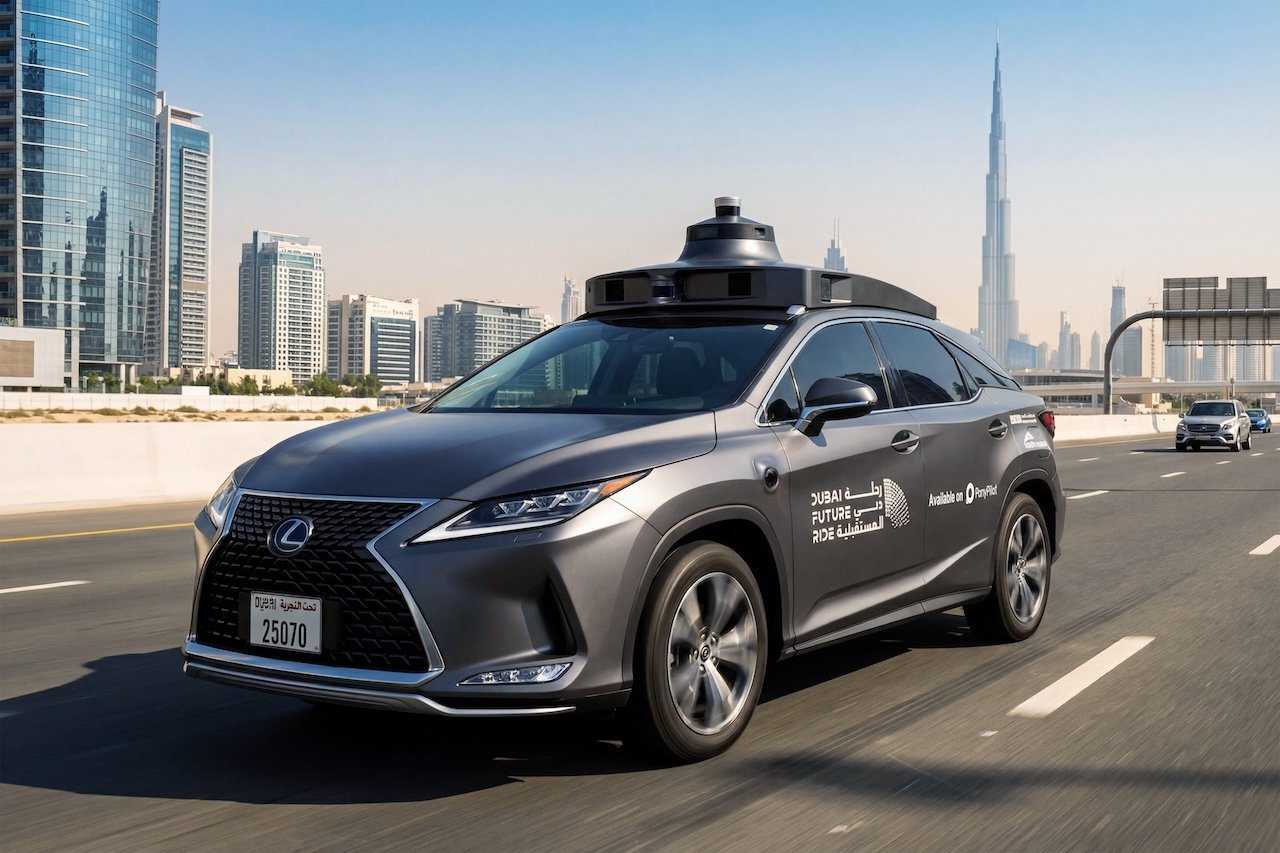
Overseas, Pony’s role is shifting: it now supplies global mobility platforms with Robotaxis that can be deployed in volume and autonomous-driving capacity. With five European cities and over 2,000 vehicles, and a global overseas plan past 4,000, Pony’s “twin engines” of technology and commercialisation are starting to turn.
Editor’s note: This is an adapted translation of the original Chedongxi report. It has been trimmed and restructured for readability for an international business audience.