On 9 July, RoboSense reported first-half 2026 LiDAR shipments of 719,200 units, up 170% year on year. The robot segment contributed 282,600 units, a 510% surge, while ADAS delivered 436,600 units, up 98%, further cementing a ‘robot plus vehicle’ dual-engine structure.
In the second quarter alone, total shipments reached 388,900 units, with robot LiDAR at 97,100, up 182%, and ADAS at 291,800, up 136%. The growth logic has clearly moved from vehicle-only volume to robot-and-vehicle multi-scene demand.
On the robot side, RoboSense has led global robot 3D LiDAR shipments for several quarters and holds leading positions across mowing, delivery, humanoid, embodied-AI and commercial-cleaning segments. First-half robot volume more than quintupled, and in Q2 its E-platform fully-solid-state digital LiDAR passed 300,000 cumulative units, an industry record. The company now partners with over 3,400 robot firms.
On the vehicle side, with top clients ramping, first-half automotive volume rose 98%. It leads the above-500,000-yuan front main-LiDAR passenger market with a 61% share, and as of 31 March held designations from 36 carmakers across 177 models with over 9 million units of orders on hand.
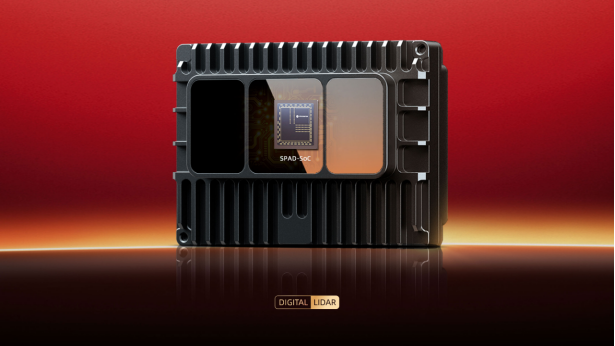
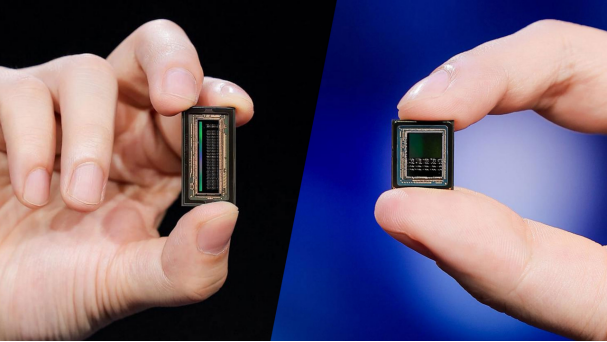
The cross-scene growth rests on a self-developed digital chip system. In April RoboSense launched its Eocene SPAD-SoC architecture with ‘Phoenix’ and ‘Peacock’ flagship chips, a reusable base that powers both autonomous driving and robots and amplifies R&D, manufacturing and supply-chain scale. The result is a platform capability that spans scenes, markets and cycles rather than a single-scene lead.
Read the original report (OFweek Robotics)
Translated and adapted from OFweek Robotics (robot.ofweek.com).

Original report: OFweek Robotics (robot.ofweek.com).