On 28 July, the Trump administration unveiled a ban on new categories of Chinese robots and grid-tied inverters, aimed at protecting US manufacturing and reshoring industries the administration expects to grow explosively.
The Federal Communications Commission made it formal that afternoon. Imports of advanced Chinese robotic equipment, such as humanoids and quadrupeds with networking functions, and of grid-tied inverters linking renewables, batteries and data centres to the grid are barred, effective immediately.

FCC chair Brendan Carr said in a release that these devices create supply-chain vulnerabilities that can undermine the US economy and national security, and raise cyber risks to critical infrastructure. The FCC, he added, will keep working to secure America’s critical supply chains.

Reuters, citing people familiar with the matter, reported that the FCC is expected to exempt many non-Chinese suppliers, much as it did previously for drones and routers. The move is once again a ban aimed squarely at China.
The new rules cover foreign-made grid-tied inverters with networking functions, spanning residential, commercial and utility-scale solar and storage across every scenario. Stock already cleared through FCC certification, customs or signed delivery can keep selling in the US, though the FCC retains the power to revoke approvals.
The irony is sharp. While Washington blocks Chinese inverter supply, its own industry has a structural capacity gap. US inverter brands hold only about 10 per cent of the global market, and utility-grade import reliance tops 90 per cent. Wood Mackenzie’s 2026 ranking puts six Chinese firms among the world’s top ten shippers, with China near 80 per cent of global share. Huawei and Sungrow alone take about 55 to 64 per cent.
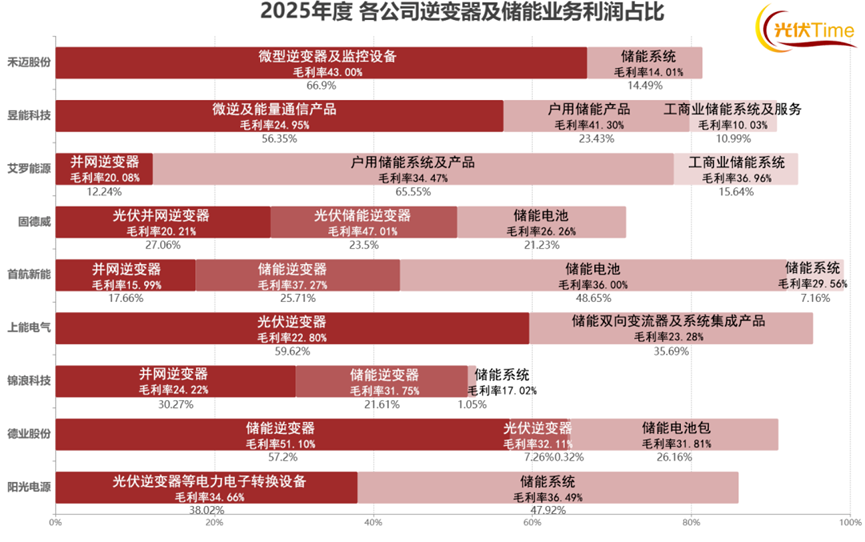
Sungrow chair Cao Renxian said this month that building a complete chain took China two decades and will take the US at least five more. Relative to Japanese and European peers, Chinese makers iterate faster and deliver sooner, often in one month versus two or three abroad.
China’s commerce ministry, answering reporters on the move, called the FCC measures discriminatory despite their neutral framing, said they disrupt normal business and push decoupling, and urged Washington to reverse course. If the US insists, Beijing will respond to defend its interests.
Customs data for the first half of 2026 shows Europe as China’s largest inverter export market at 2.07 billion US dollars, Asia-Pacific next at 1.83 billion, and North America below a tenth of either, trailing the Middle East, Africa and Latin America. America was never China’s main inverter battlefield, and the ban mostly hurts US solar and storage projects that now face delivery delays.
Editor’s note: This is a translated adaptation of a Chinese-language report from OFweek Robotics (robot.ofweek.com). Figures, dates and direct quotations are reproduced as published.