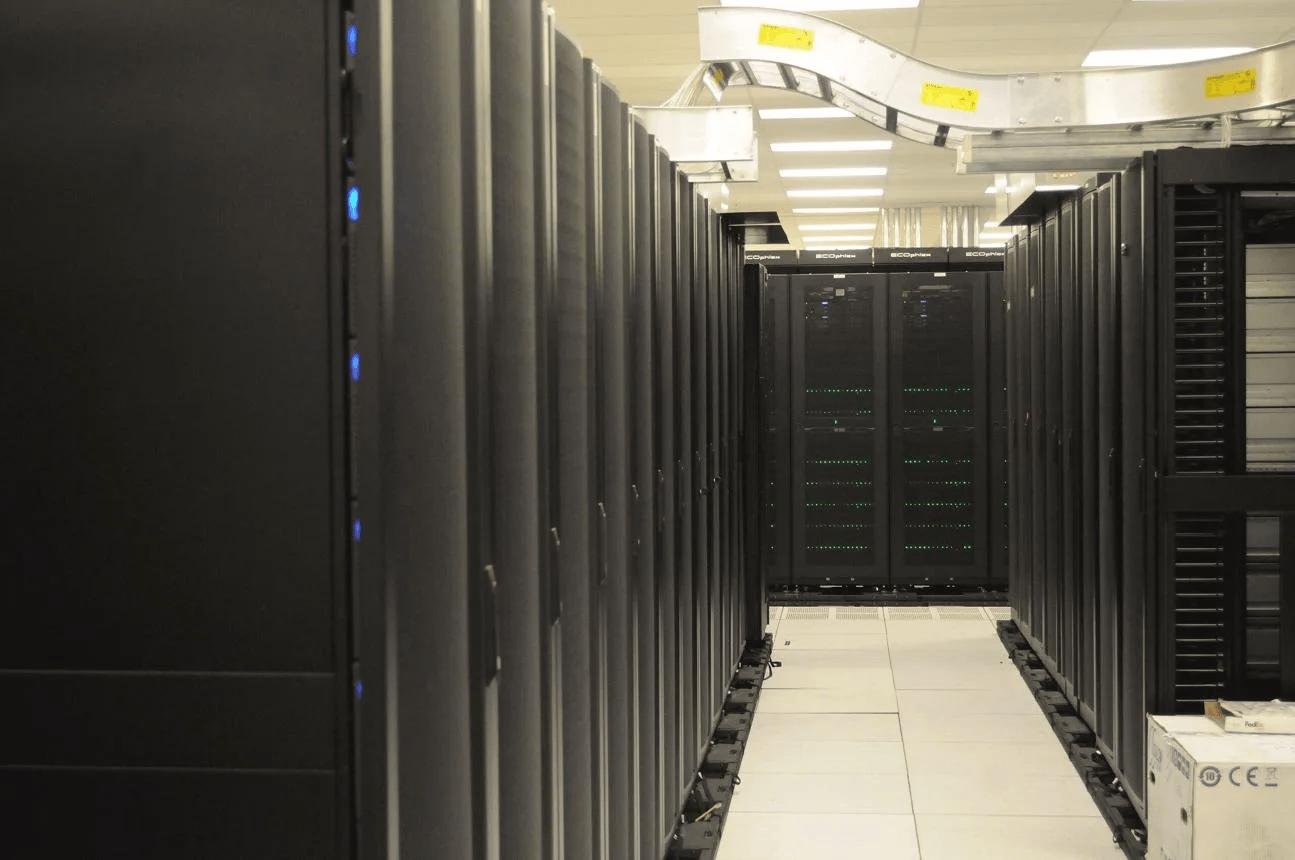
The thing AI needs most is not a chip. It is a building with a power connection, and in the United States and Europe that building has become a local political problem.
Between 6 and 7 November, protests organised by a coalition calling itself Stop Dirty Data Centres spread across Europe. In Dublin, where Google has its European headquarters, several thousand people marched to the Irish parliament. In the United States, a growing list of states have said they will pause approvals for new data centre construction, with projects already under way halted pending assessment reports and public comment.
The numbers behind the pause
Research firm Cleanview puts about 41 per cent of planned US data centre capacity, some 159 gigawatts, in states whose sitting or newly elected governors support a construction pause. Ballotpedia counts 41 related propositions across 10 states, and they have passed overwhelmingly in favour of restricting or banning new builds.

That is the arithmetic problem for anyone holding GPU orders. Compute that cannot be sited does not become compute later. It waits in a warehouse.
Why residents turned
The industry’s assumption was that a data centre brings construction jobs, tax revenue and little visible disruption. The visible part turned out to be the electricity bill.
US utilities price dynamically, so the cost of new load passes through to households faster than it does in markets where retail tariffs are administered. In Maryland, Virginia and Ohio, three states with heavy data centre concentration, residents have seen living costs rise in step with the load. Industrial tariffs in some areas are up more than 25 per cent. One manufacturer told Reuters its electricity spending rose 90 per cent in a year and its monthly capacity charge went from USD 1,600 to USD 12,000.
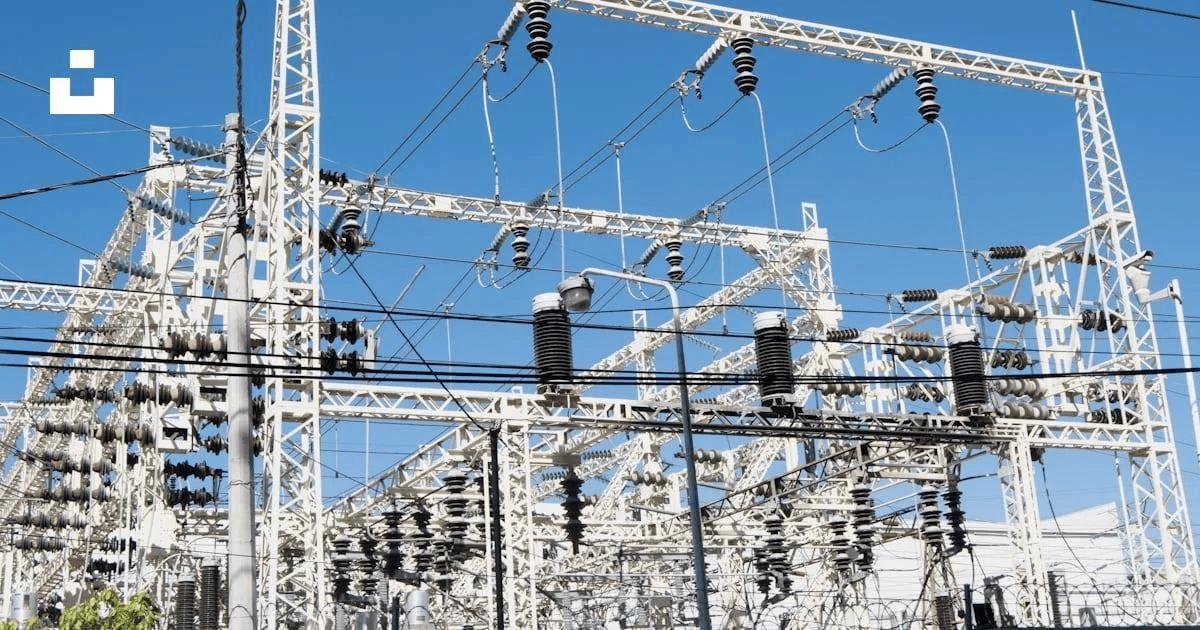
Higher industrial power prices feed into the price of what the factory makes, which erodes competitiveness, which closes plants, which costs local jobs. The high-skill technical roles a data centre creates do not go to the line workers who lost theirs.
Water follows the same pattern. A Google data centre in The Dalles, Oregon, consumes roughly a third of the city’s water supply, and residents there have protested both the draw and the prospect of higher water bills.
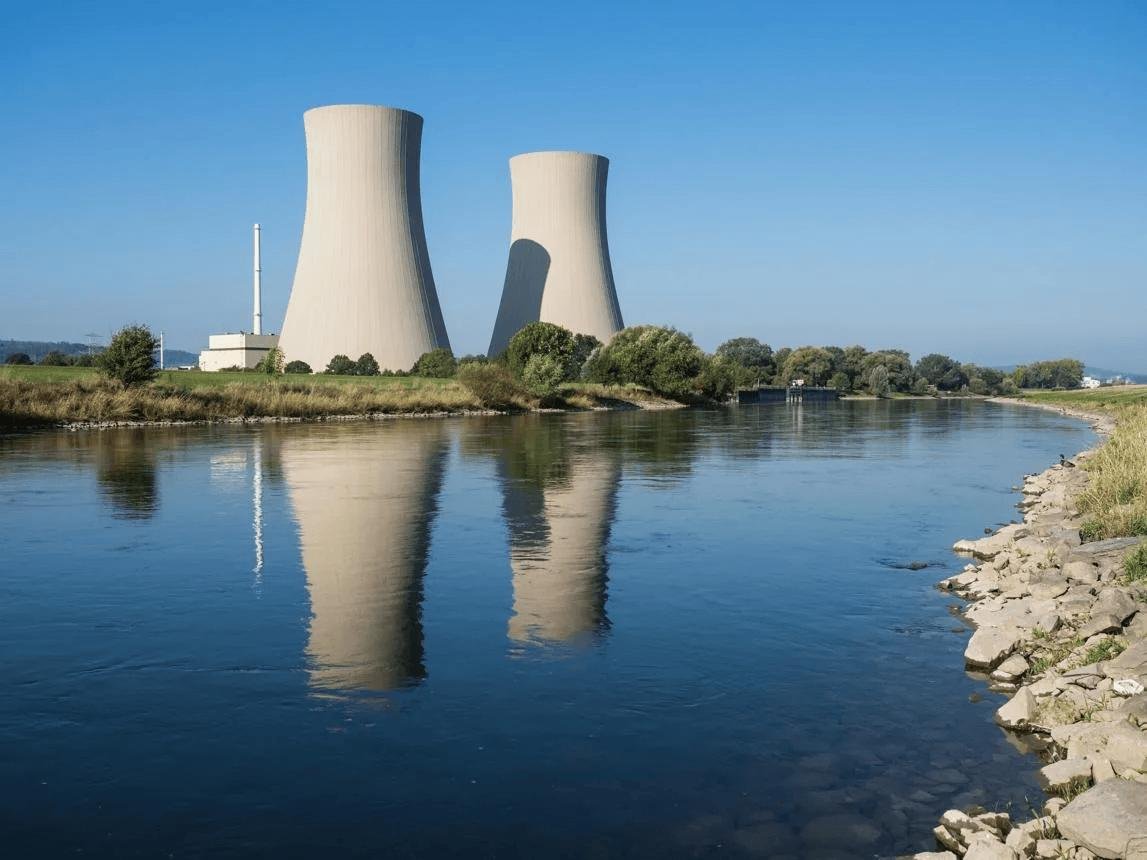
Where the grid cannot supply enough power, operators have started building their own generation, in at least one reported case around an aviation-derived gas turbine. These units are efficient but noisy, and they run next to the people who just won a pause on construction.
The comparison that makes the contrast sharp
China’s installed compute scale went from 788 EFLOPS in June 2025 to 2,592 EFLOPS in September 2026, a rise of roughly 229 per cent, and household electricity prices barely moved. That is not because Chinese utilities are generous. It is because the grid, the planning system and the tariff structure can absorb load growth without routing the cost into residential bills in the same quarter.
The result is that a country holding most of the world’s leading AI chip designs is now slower to energise new capacity than the country it is trying to stay ahead of.
The second-order effects nobody priced
If a meaningful share of planned capacity is delayed or cancelled, the first consequence is order deferral for accelerators, and the second is relief in memory and component supply. Shortages that were projected to persist could normalise faster than expected, which would put cheaper phones and PCs back on shelves around 2027.
The third consequence is model cadence. Every visible jump in a frontier model has been preceded by a large allocation of compute to training. If the compute forecast falls, labs will shift the mix towards inference and existing users, and the interval between major model releases will lengthen.
Anthropic, which has been preparing a listing, is reportedly weighing a delay on the grounds that its financials and outlook are less supportive than hoped. If a company of that standing is exposed to a slower compute build, every smaller AI firm faces a stricter review of its own plans. A funding market that concludes AI listings are not available for a while will get conservative quickly.
None of this makes the demand for AI go away. It makes the demand arrive later, in fewer places, and at a higher cost of capital for whoever has to wait for a connection.
Editor’s note: This is an adapted translation of the original Sohu Tech report. It has been trimmed and restructured for readability for an international business audience. The full original (in Chinese) is at https://www.sohu.com/a/1099027874_116157.