While humanoids packed the WRC floor, a quieter fight played out one level down. Unitree still leads the quadruped market, but its grip is loosening, and a young firm called Vbot (Weita Power) found the gap: the consumer.

SAG estimates global quadruped shipments of about 26,000 units in the first half of 2026, with Unitree at about 13,600, a 52 per cent share that is down from 75 per cent a year earlier. The volume still grew, just slower than the market. The shift is consumption: consumer use rose from 33 per cent to 45 per cent of shipments, now the largest slice. Vbot shipped about 1,600 units, roughly 6 per cent, by aiming at ordinary buyers rather than labs and factories.
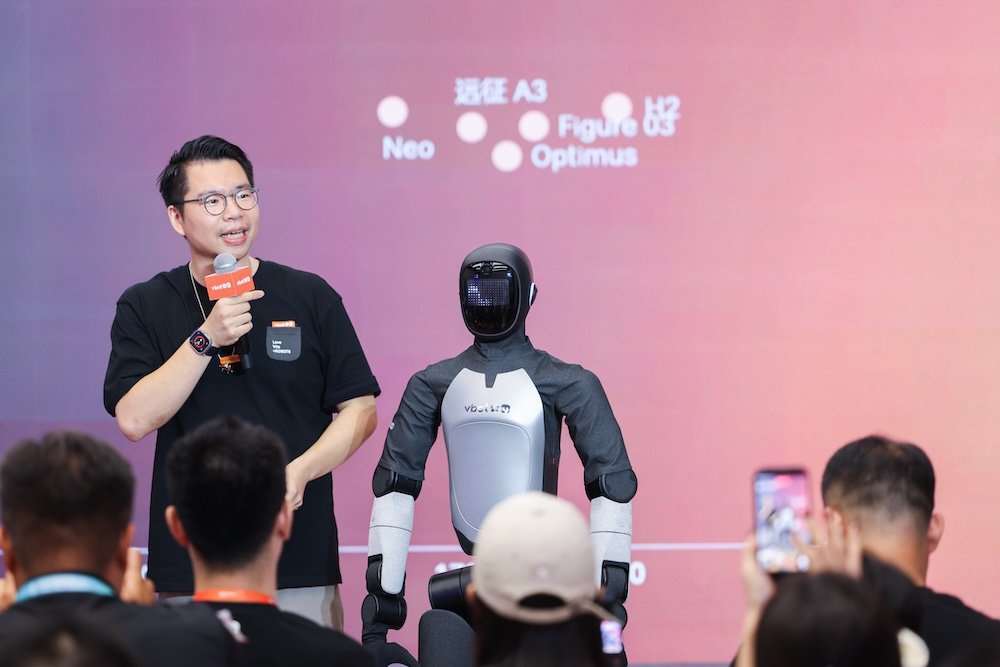
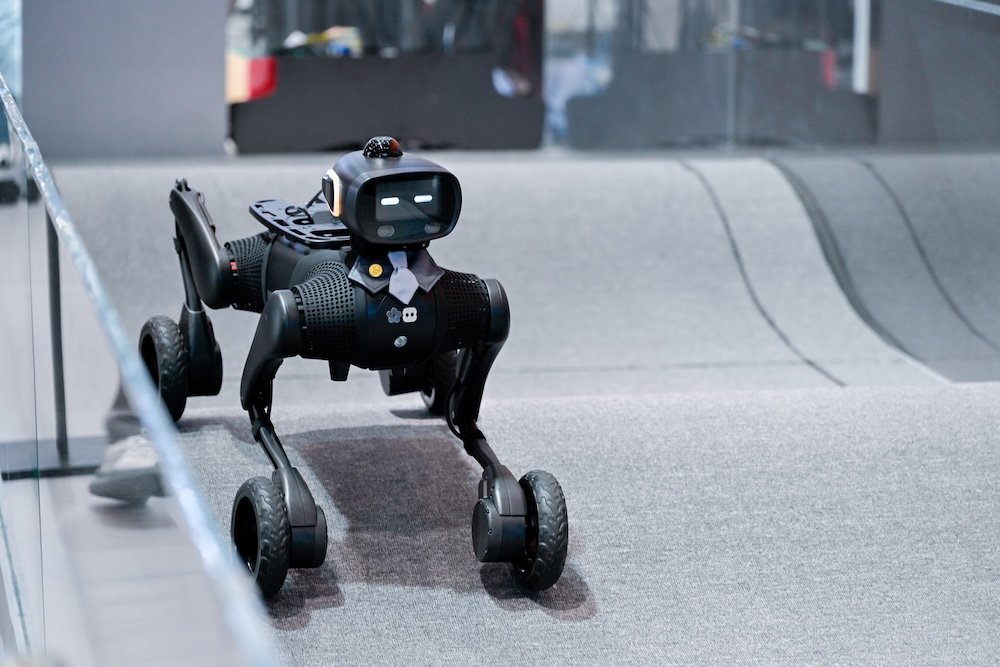
Vbot’s consumer dog Datou pre-sold 6,540 units, close to 100 million yuan, and entered mass delivery in May. GGII puts China’s 2025 consumer quadruped sales at 37,700 units, up 289.67 per cent, worth 561 million yuan, up 93.28 per cent, and names Vbot a standard-bearer. The thesis: once a robot reaches the user, the real contest is product definition, mass production, experience, service and over-the-air updates, a path Vbot now ports to the humanoid ATOM.
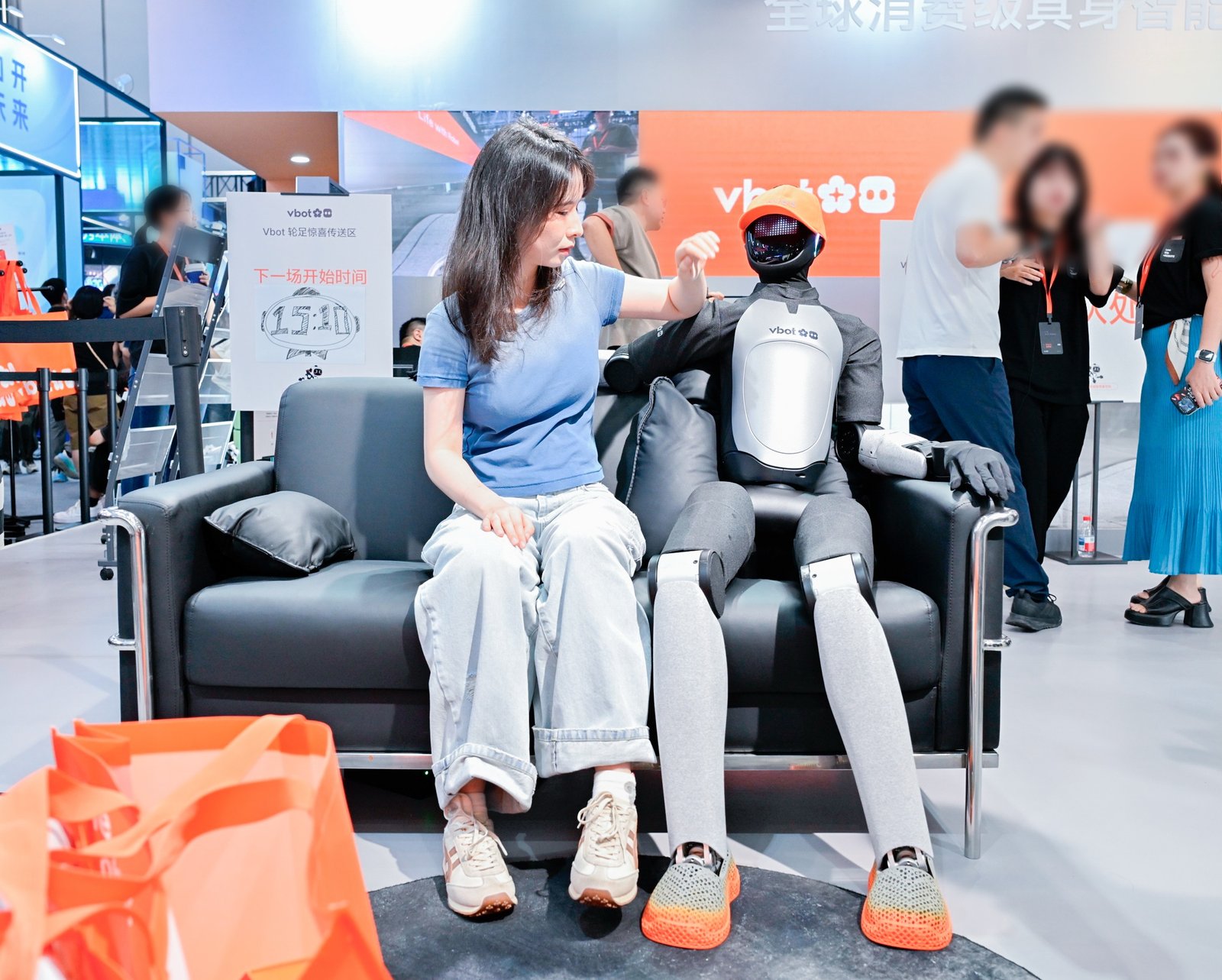
ATOM stands 160 cm in fabric with a screen face and silent feet, built around cupboards, tables and door handles, with personal, enterprise and developer versions open for order. Vbot’s bet is that the consumer discipline honed on four legs, the remote control, the update cadence, the after-sales, is the scarce skill in a humanoid field crowded with factory-first rivals. For European observers the note is strategic: Unitree won the spec war, but the consumer channel, a robot people actually live with, may be won by the firm that learned to sell one, not the one that built the fastest.
More images
Editor’s note: This is an adapted translation of the original Zhidx report. It has been trimmed and restructured for readability for an international business audience.