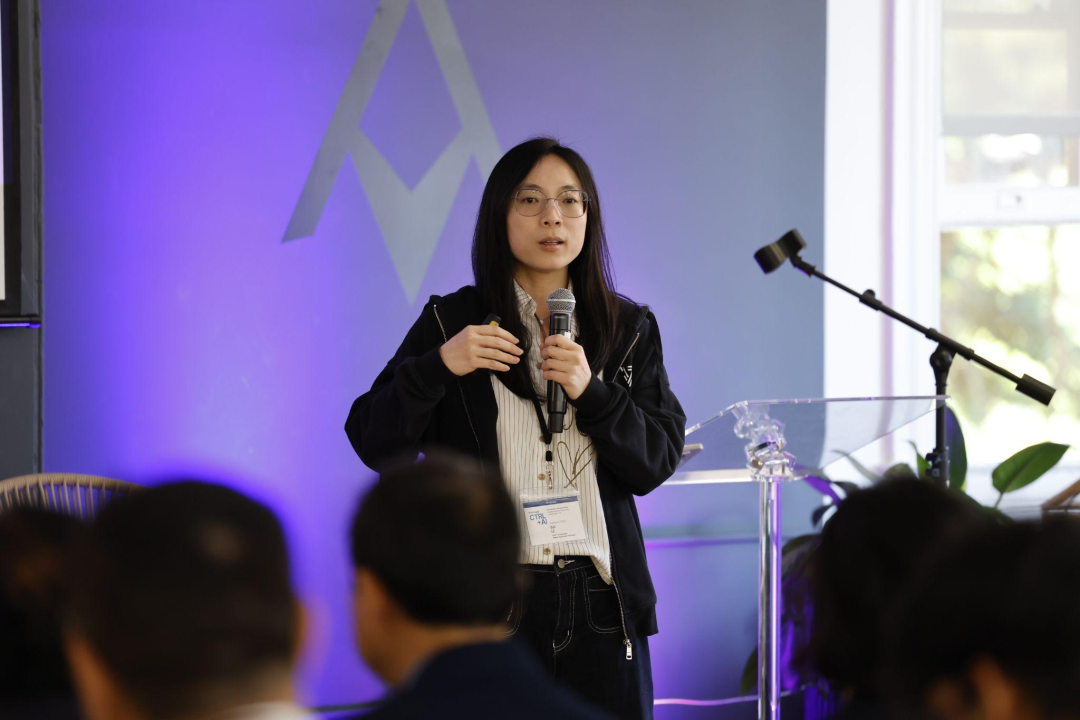
Meta’s acquisition of Virtue AI is easy to read as another Silicon Valley talent grab. Look closer and it is a signal about where AI risk is moving.
Virtue was founded by Bo Li, a researcher whose honours include a Sloan Research Fellowship, an MIT Technology Review TR35 award and an IEEE AI’s 10 to Watch citation. The team had already been Meta’s vendor before becoming its acquisition, proving a product before a deal.
When the risk becomes action
The pivot in Virtue’s thinking, and Meta’s, is the arrival of agents. A chatbot mostly says things; an agent accesses inboxes, calendars, code repositories and databases, runs commands and completes sequences of actions. The danger shifts from ‘saying the wrong thing’ to ‘doing the wrong thing.’
Virtue sells the infrastructure for that world: automated red-teaming before deployment, runtime protection (VirtueGuard) that watches text, image, video, audio and code in real time, and an agent-security suite (VirtueAgent Suite) that governs what an agent can touch, call and execute.
Safety moves from model to system
Meta’s interest is tied to its push into personalised agents, systems that will act on behalf of users across many tools. For Bo Li, the central challenge of the agent era is that model capability is racing ahead while safety infrastructure, governance and standards have not kept pace.
A coding agent that deletes a production database is no longer a content problem but an operations one. Prompt injection stops being a curiosity and becomes a path to real action when the agent can read files or send commands. Safety, she argues, must be designed into permissions, tool calls, runtime monitoring and audits, not bolted on at release.
The acquisition is less a personal career move than a relocation of AI safety from the margins to the centre of the next generation of systems. The open question is whether, inside Meta, the team gets to shape the core, or merely guard the edge.
Translated and adapted from Leiphone (leiphone.com).