A list that caught a vacuum
On 28 July, the US Federal Communications Commission (FCC) updated its Covered List with two new categories: foreign-made advanced robot devices (including humanoids, quadrupeds and other mobile robots) and networked power inverters. No company is named, but the definition lands squarely on China’s most exportable robot categories.
The telling part is the technical test. The FCC did not name “robot vacuum”, but by its four criteria, autonomous navigation, weight over 2kg, environmental sensors and network speed above 200kbps, almost all robot and lawn-mowing vacuums fall inside. A quiet home vacuum and a running, jumping humanoid now sit in the same regulatory frame.
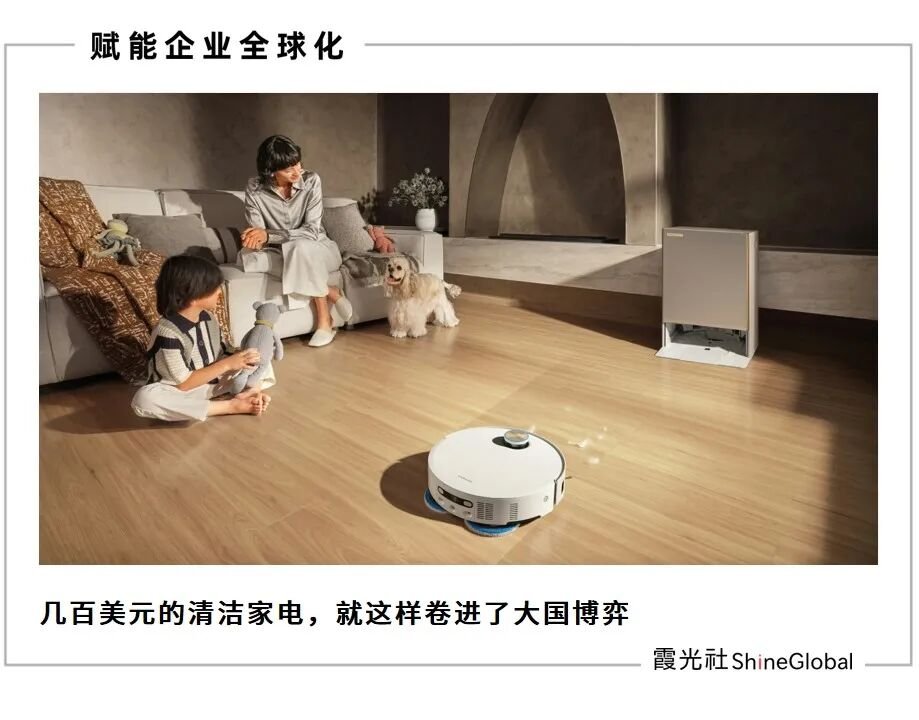
The FCC cited “supply-chain fragility, harm to the US economy and national security, and cyber risk to critical infrastructure”. Chair Brendan Carr said the move protects US supply-chain security, continuing a line of guarding AI supply chains and reshoring key industries. Humanoid exports to the US are still nascent; the mature robot-vacuum business feels the pinch first. A 2026 Ofweek report noted existing vacuums sold in the US are unaffected for now because they clear FCC review before launch.
Why the vacuum got dragged in
The FCC later confirmed to media that robot vacuums are included, as are mowers, pool cleaners, delivery robots and some warehouse mobiles. Cars, rail, drones, underwater vehicles, FDA-regulated medical devices and fixed industrial arms are excluded. Already-authorised products keep selling and receiving patches through 1 January 2029. But new foreign-made models without FCC authorisation cannot enter the US unless granted “conditional approval”.
The honest problem is the market reality: US consumers basically can only buy Chinese vacuums. IDC’s Jitesh Ubrani said non-Chinese vacuum brands are now so few that some are too small to track. In 2025, global cleaning-robot shipments hit 32.72 million units, up 20.1 percent; robot vacuums were 24.12 million, the largest category. The top five brands by GMV, all Chinese, held over 73 percent.

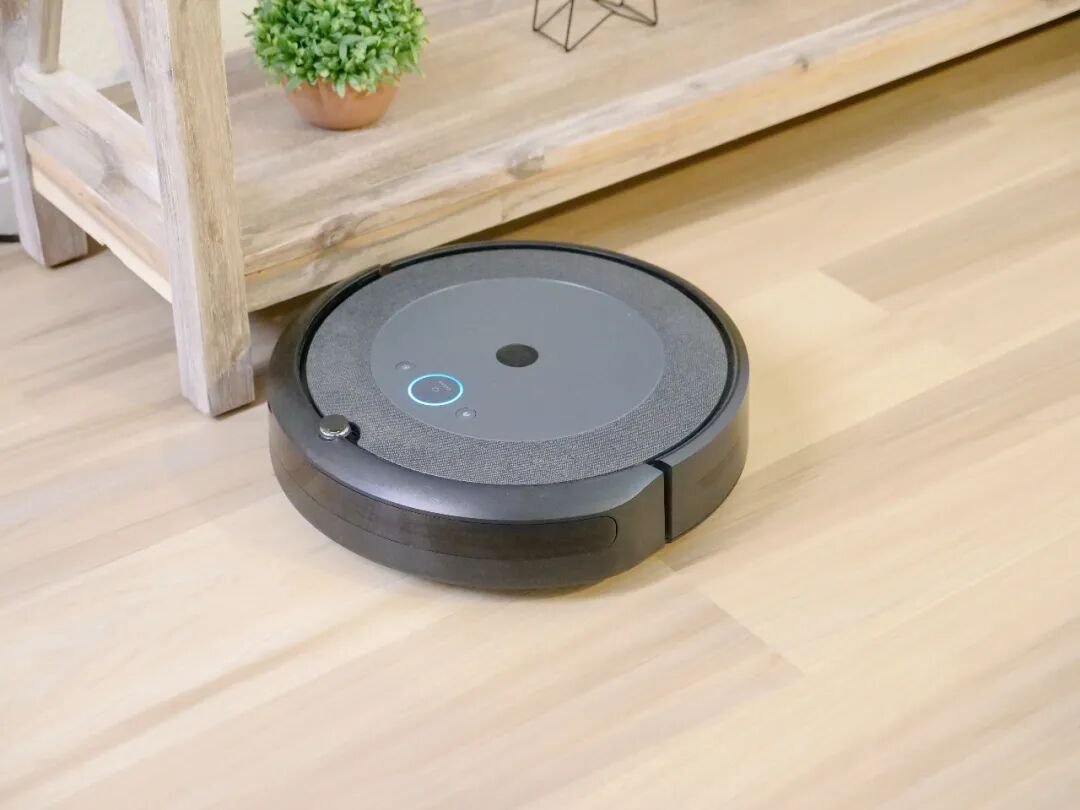
Roborock shipped 5.8 million cleaning robots in 2025, a 17.7 percent global share, and led the US and Germany in the second half of 2025; Ecovacs held over 50 percent of the global window-cleaning market. iRobot, once the American representative, filed for bankruptcy in December 2025 and was acquired in January 2026 by Shenzhen’s ShanChuan Robotics, so even iRobot is now Chinese-owned and cannot escape.
The ban is about where, not what
The rule targets “foreign-produced” devices by place of manufacture, not registration or brand. Even US-controlled firms making abroad need a waiver, and the bar is steep: 65 percent local parts now, rising to 75 percent from 2029. Unlike tariffs, a Covered List blocks the FCC ID itself. Once listed, the FCC refuses all new equipment certifications, so a product can test perfectly yet never clear customs or reach Amazon.
The list is broadening from single firms (Huawei, ZTE, Hikvision) to product classes (drones, routers, then inverters and advanced robots by late 2026). Gizmodo nailed it: this ban cares where a device is made, not whether it meets cyber standards. Most vendors are watching and say existing lines are unaffected.
China does not live on the US alone
The US is still the largest vacuum market, some 3.2 to 3.5 billion US dollars, 30 to 35 percent of global volume. But China’s brands have spread. Europe (2 to 2.3 billion US dollars, 10 to 12 percent penetration) sees Roborock and Dreame above 30 to 40 percent in Germany and Sweden; Germany was China’s top export destination in Q1 2026 at 237 million US dollars. Southeast Asia (400 to 500 million) jumped from 38.8 to 64.1 percent Chinese brand share in a year, CAGR 25 to 30 percent. Korea sees Roborock above 50 percent; the Middle East and Africa grow 95.6 percent; Latin America over 50 percent. A cross-border seller summed it up: the more the products are used, the clearer their value, and trade barriers sold as security ultimately hurt US consumers most.
Editor’s note: This article is based on reporting by OFweek Robot (Xiaguang She). Read the original in Chinese here: https://robot.ofweek.com/2026-08/ART-8321203-8110-30697570.html.