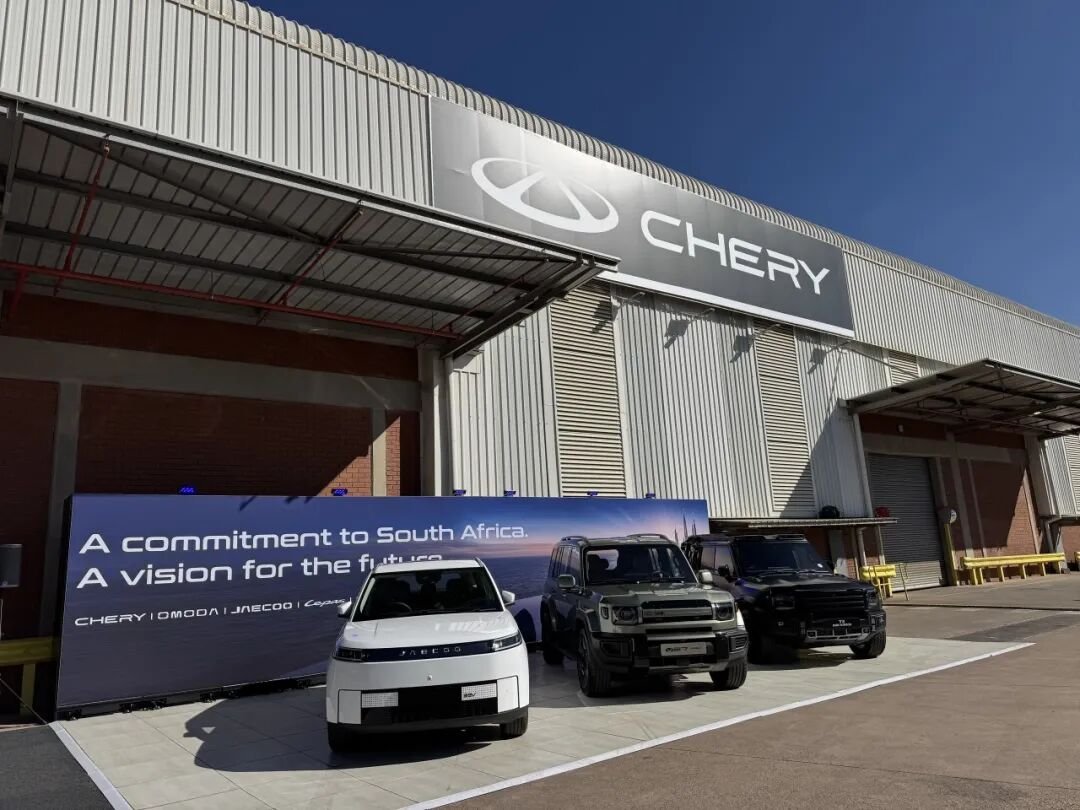
On 3 July, a factory with 63 years of history in Rosslyn, South Africa, changed hands. Nissan exited vehicle manufacturing. Chery took over the site that had anchored Japan’s African footprint for half a century.
The same day, AlixPartners forecast that China’s auto exports could hit 10 million vehicles in 2026, 2.5 times Japan’s total, making China the first country to export more than 10 million cars in a year.
Why Nissan walked away
The Rosslyn plant is not a voluntary surrender. It is the inevitable result of combustion-era advantages becoming obsolete. At its peak, the factory supplied southern Africa with Japanese vehicles. In 2024, capacity utilisation was just 30 per cent, with annual output under 17,000 units. Persistent losses forced Nissan to shed local manufacturing and retain only sales channels.
The root cause is twofold. First, the internal combustion technology moat, engine and transmission precision, has lost its edge in the electric era. The competition has shifted to batteries, motors, software and smart cockpit systems. Japanese automakers were slow to pivot, and their ICE-era patents and production lines became sunk costs.
Second, Japan’s fragmented global supply chain lacks local clusters. Building EVs in Africa meant shipping battery and electronics components across continents, with tariffs and logistics piling on costs. Chery, by contrast, is bringing Chinese battery and component suppliers to South Africa, building local supply chains that slash cost and iteration time.
What Chery brings
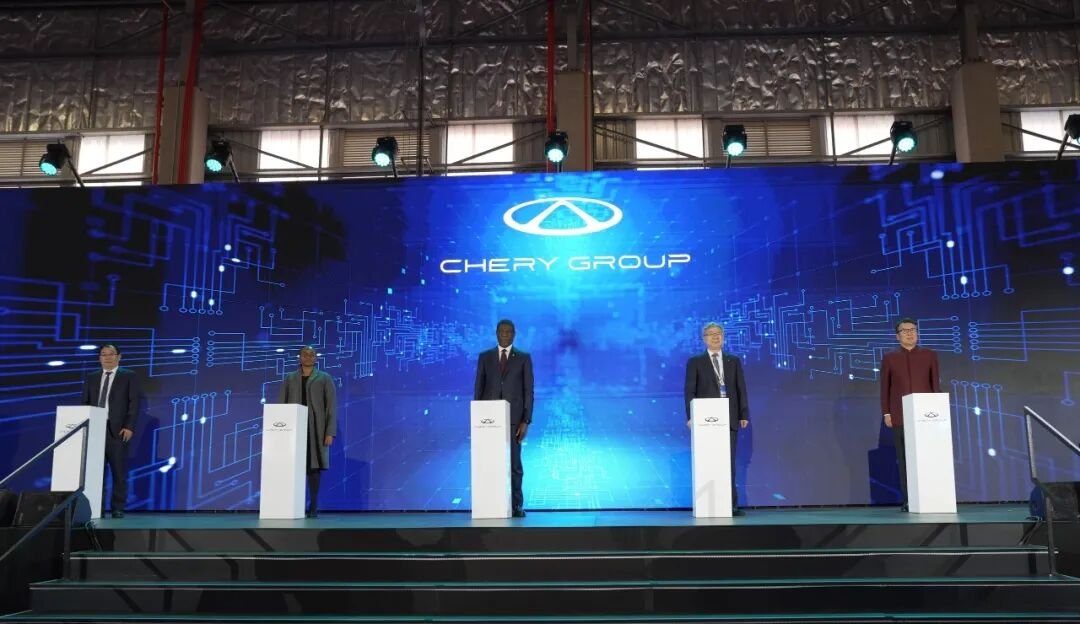
Chery retained all 692 former Nissan employees and created nearly 3,000 upstream and downstream local jobs. It plans a flexible production line compatible with EV, hybrid and combustion models by 2027, positioning the factory as a manufacturing hub for all of Africa.
The 2.5x gap
China’s auto exports reached 4.06 million in the first five months of 2026, up 63 per cent year on year. NEV exports hit 1.83 million, up 110 per cent, far outpacing the 36 per cent growth in combustion vehicles. The export gap with Japan is the quantified result of a complete new-energy supply chain confronting a single combustion technology path.
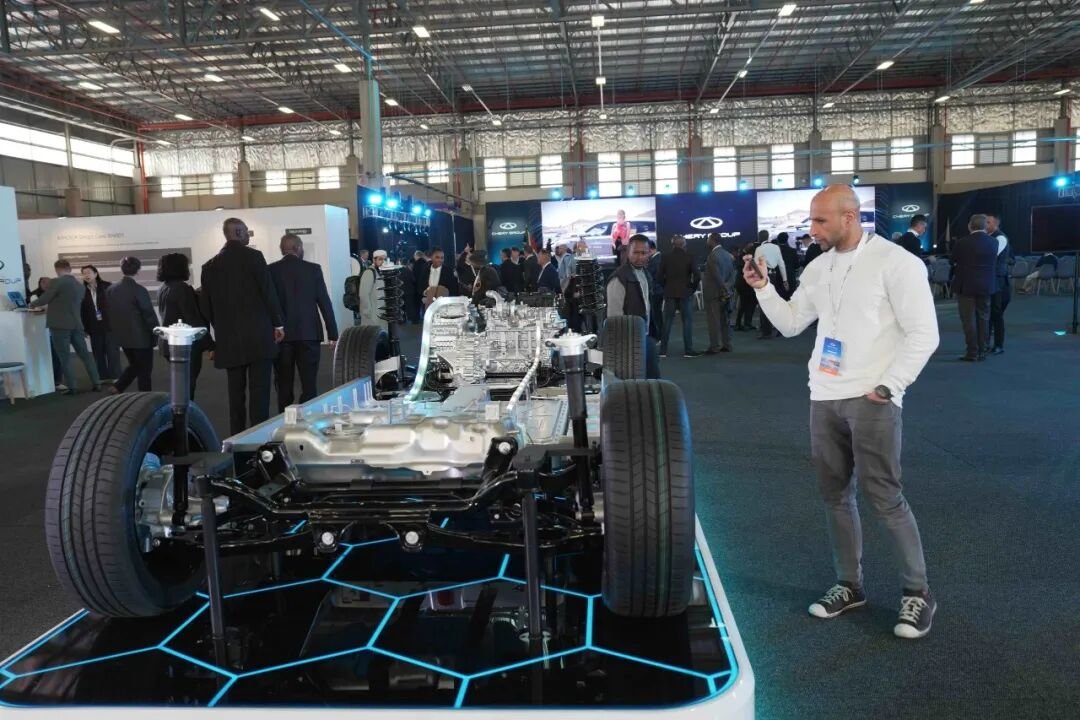
Unlike Western and Japanese automakers who export finished vehicles while keeping core components at home, Chinese automakers export the full supply chain. BYD in Hungary, Chery in South Africa, Great Wall in Brazil, each builds local supply ecosystems, avoiding trade barriers while controlling production, pricing and iteration.
Not overtaking, redefining
The mainstream narrative calls China’s EV rise “overtaking on a bend”. That framing is imprecise. The real breakthrough was never catching up on the combustion track. It was building a complete new-energy supply chain that redefines the competition: from single-point technology to system integration, from exporting products to exporting ecosystems.
The risks are real: Western trade barriers, accelerating Japanese and Korean EV transitions. The long-term outcome depends on two things: continued full-chain technology autonomy in chips, solid-state batteries and autonomous driving, and deep localised deployment that replicates the South Africa model globally.
Editor’s note: This is an adapted translation of the original Shenzhen News report. It has been trimmed and restructured for readability for an international business audience.