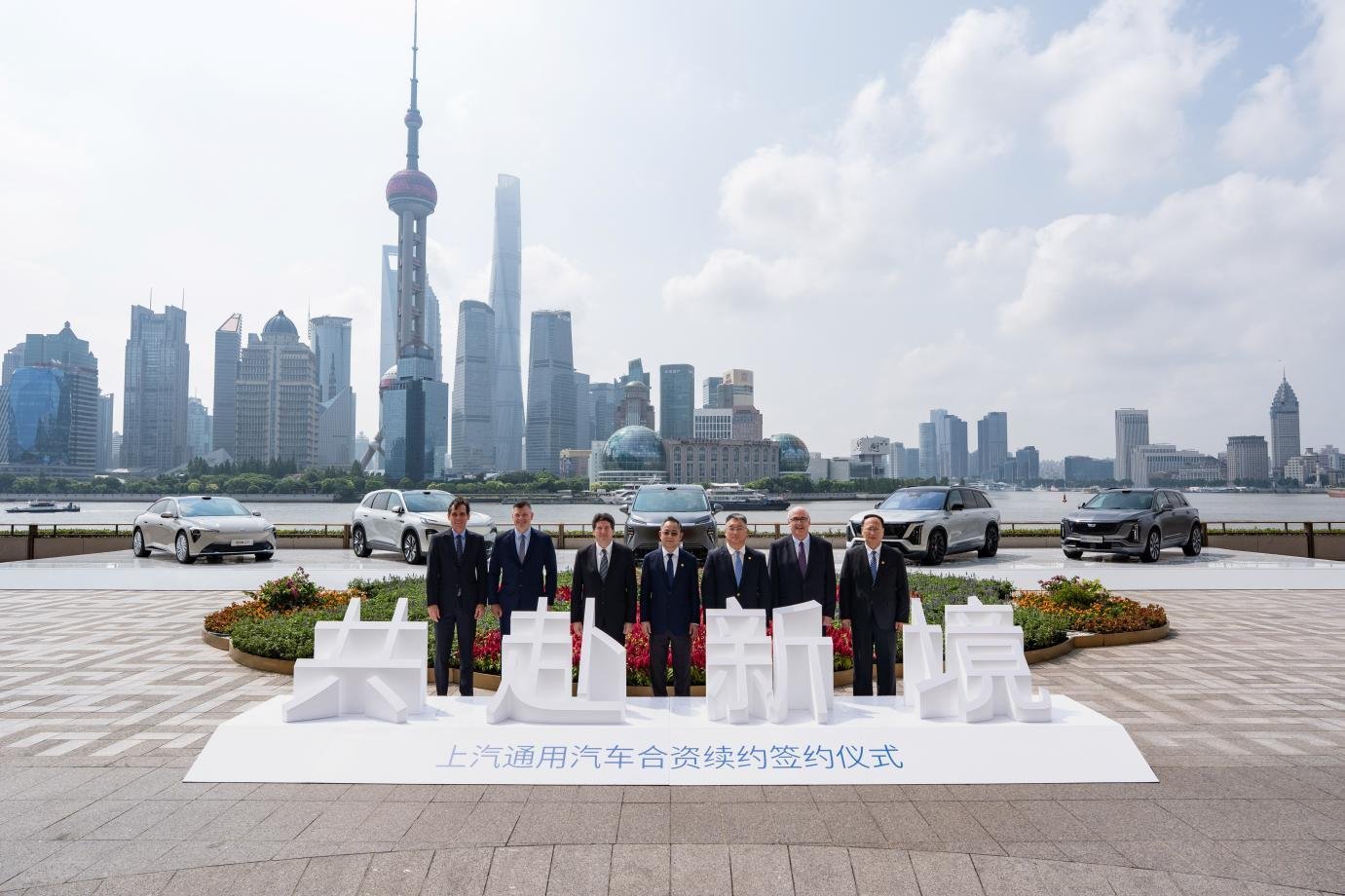
On 5 August 2026, SAIC Motor and General Motors signed a 20-year extension of their China joint venture, SAIC-GM, pushing the partnership to 2047. The renewal is framed by both sides as a vote of confidence in the Chinese market and in SAIC-GM’s ability to transform itself into a competitive new-energy vehicle (NEV) maker.
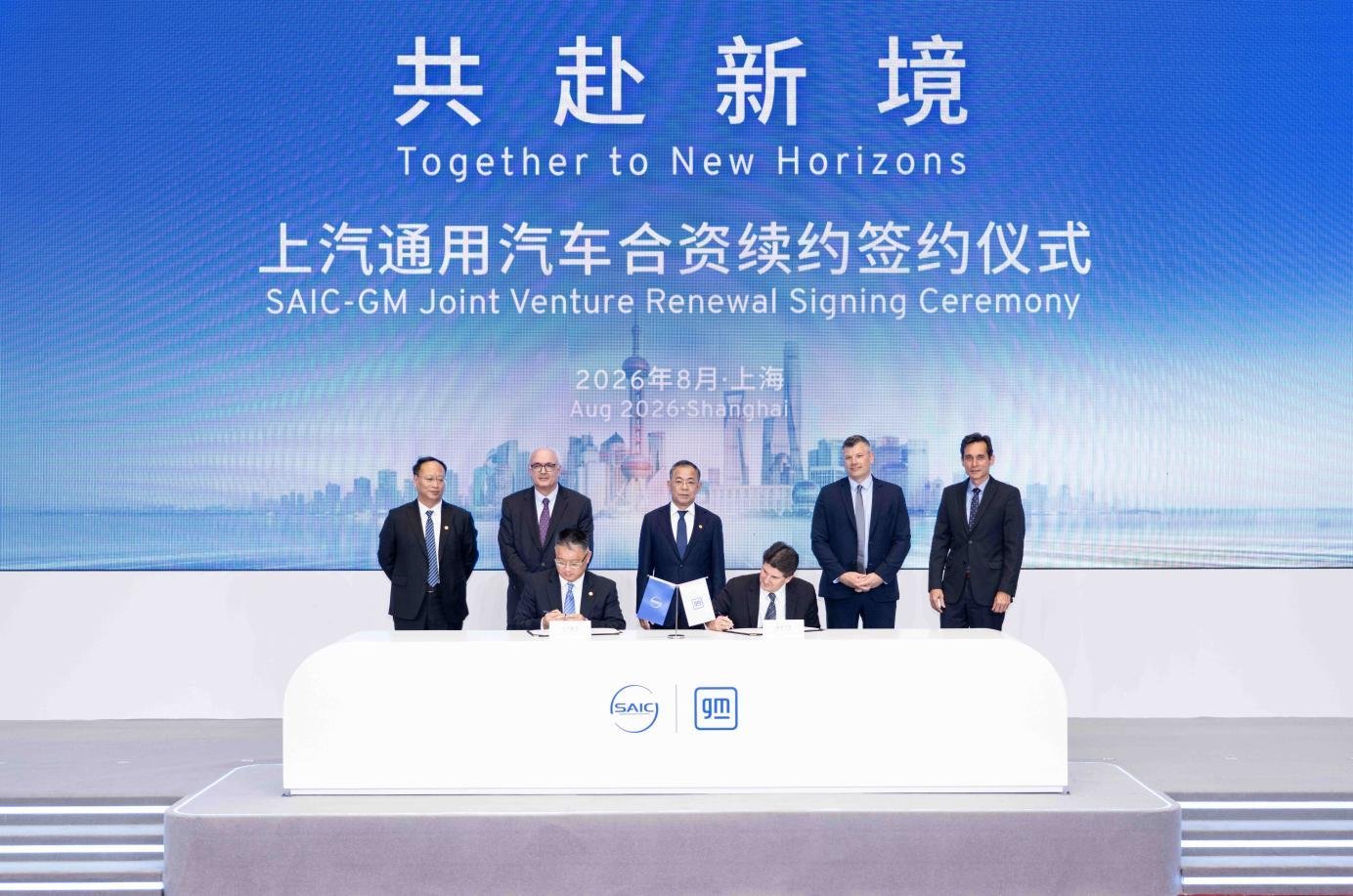
The joint venture was one of the largest Sino-American industrial projects of its era and a centrepiece of Shanghai’s automotive ambitions after it was founded in 1997. Over nearly three decades it became a platform for connecting China’s auto sector to global supply chains, and a training ground for local engineering and management talent. SAIC-GM says it now holds core decision rights over product definition, technical routes, validation standards and mass production, making it the first Chinese joint venture to fully control those levers.
A near-30-year partnership as a model
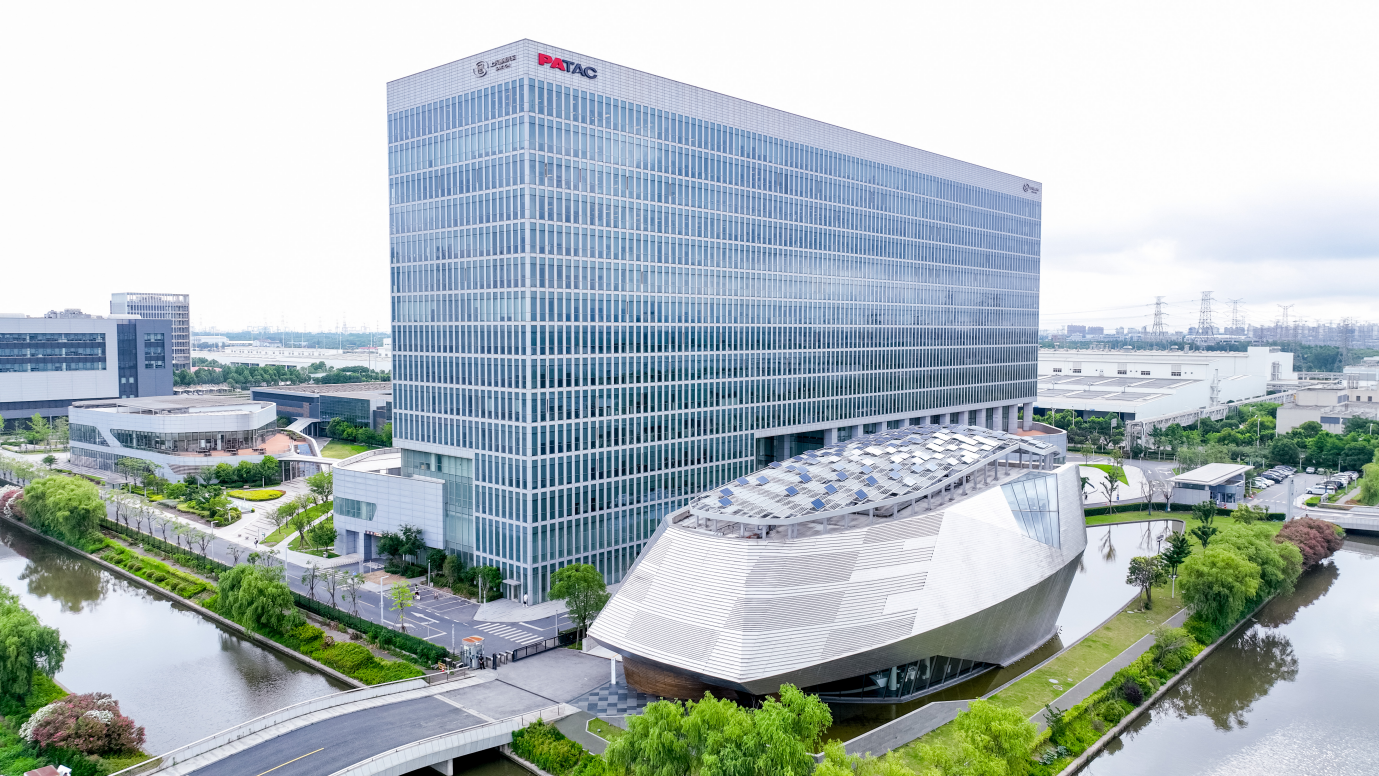
SAIC-GM built its first plant in 23 months and turned a profit in its launch year, a pace it still cites as a benchmark. Through its Pan-Asia Technical Automotive Center it became the first joint venture able to develop and validate both complete vehicles and full three-electric (battery, motor, electronic control) systems in China, and it has led or joined the drafting of nearly 300 industry standards.
The “Zhijing model” starts to pay off
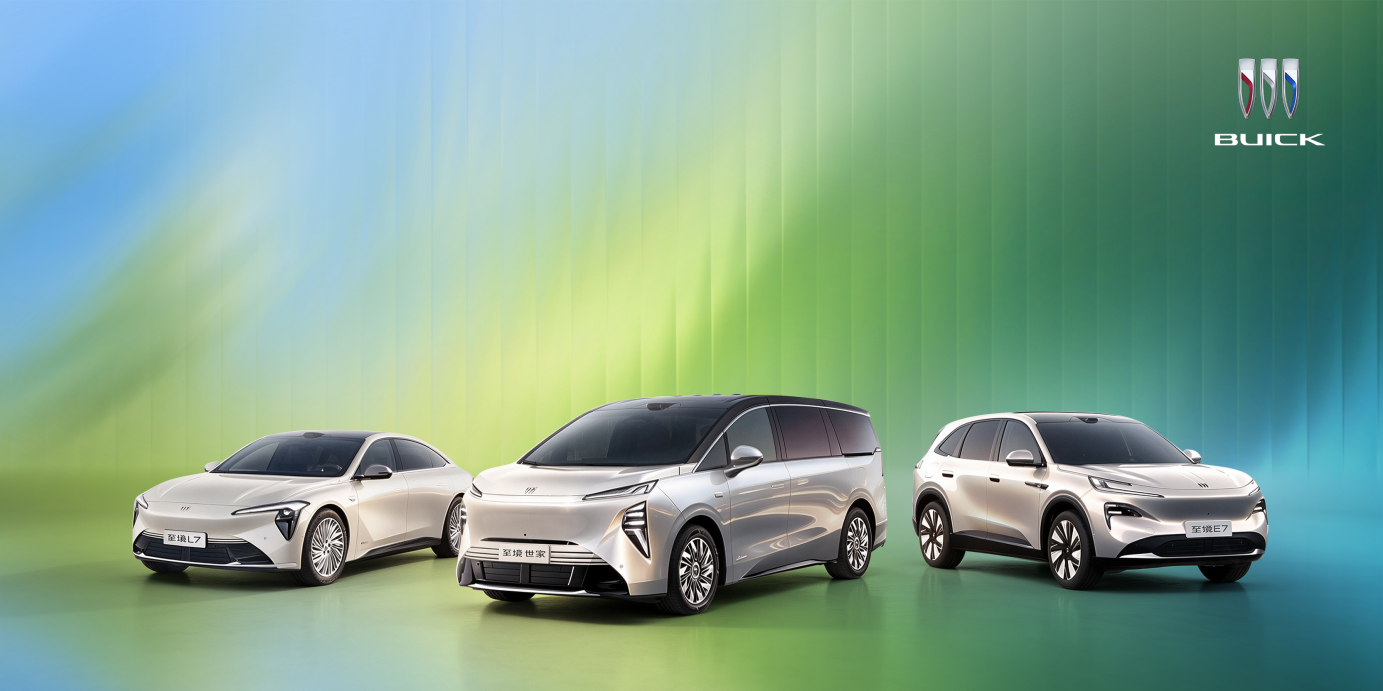
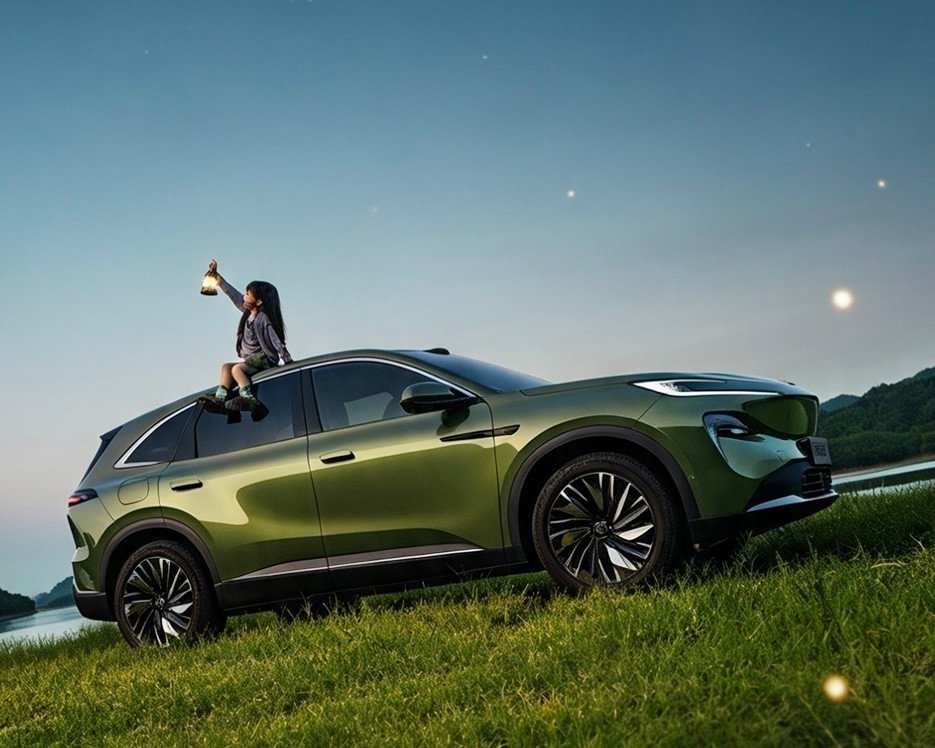
Facing the sector’s shift to electrification and intelligent driving, SAIC-GM leaned on its local system to build what it calls the “Zhijing model”: a fusion of global engineering discipline with China-speed innovation. In 2025 that model delivered on two fronts. Technically, it launched the “Xiaoyao” full-domain fusion architecture, the first joint-venture EV platform led by a China team, covering battery-electric, plug-in hybrid and range-extender powertrains. On product, it rolled out the Buick Zhijing premium NEV sub-brand across sedan, SUV and MPV within a year.
The Zhijing E7 set a joint-venture record for fastest NEV model to pass 10,000 deliveries, while the Zhijing Jiajing became the best-selling premium NEV MPV above 400,000 yuan in China in the first half of 2026. By 2030 SAIC-GM plans at least 30 NEV models, deepening the Buick and Cadillac electric line-ups.
From global localisation to China globalisation
The renewal also opens an export path. The Zhijing E7 will be exported from October 2026, the first premium NEV model from Buick and SAIC-GM to reach overseas markets. The strategy is explicitly labelled “local innovation, global sharing”: products defined, developed and built in China will serve markets beyond China, marking a shift from bringing the world to China to taking China to the world.
SAIC-GM says it will next target the Middle East, Africa, South America, Mexico and the Asia-Pacific. The bet is that a joint venture, long seen as a channel for importing technology, can become an export engine built on Chinese R&D and manufacturing efficiency.
Editor’s note: This is an adapted translation of the original LeiFeng Network report. It has been trimmed and restructured for readability for an international business audience.