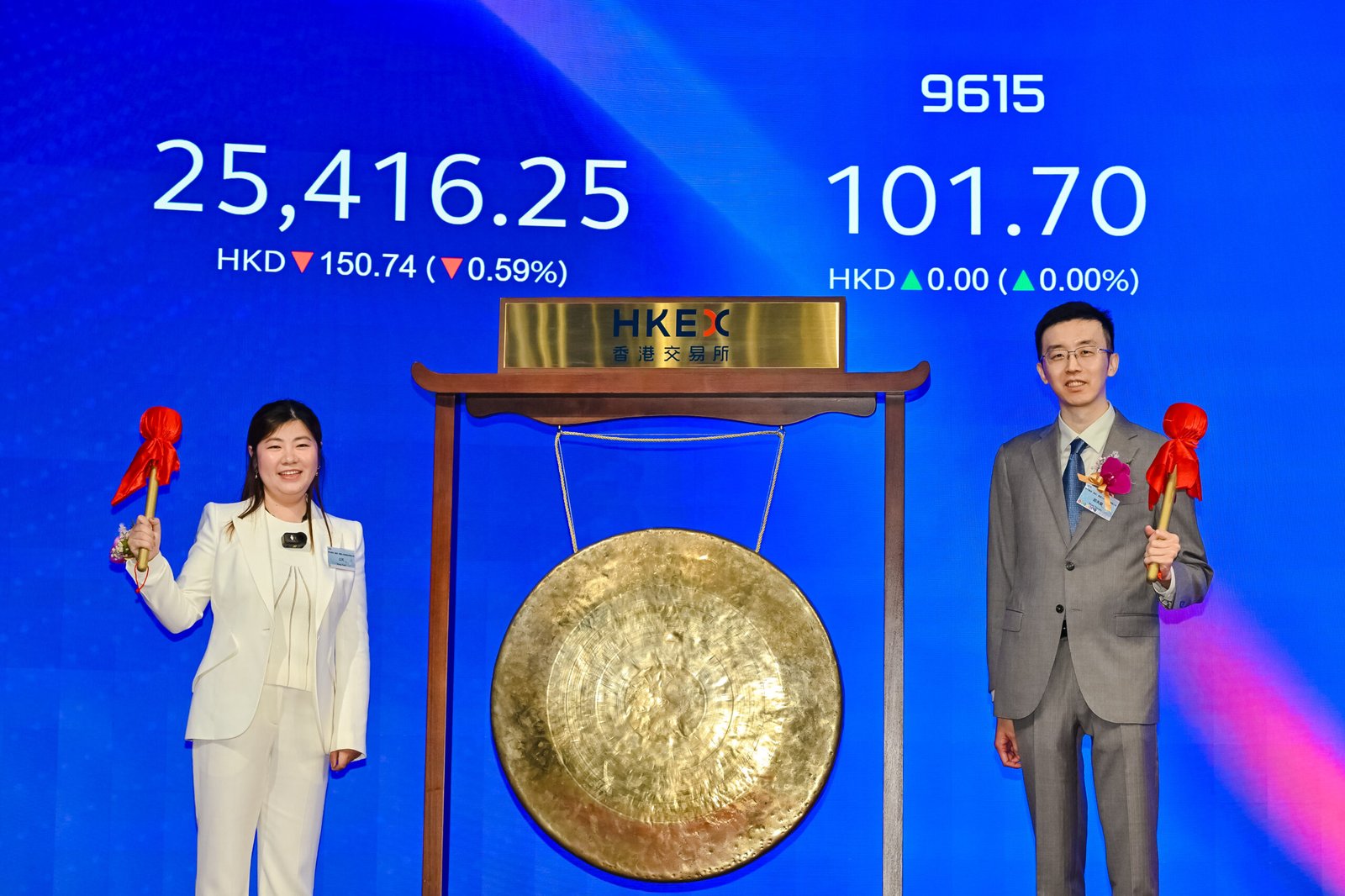
On 1 September, Mech-Mind rang the bell on the Hong Kong exchange. The headline is a cornerstone book that reads like a roll call of smart money, led by Baillie Gifford, the Scottish house that backed Tesla and Nvidia, alongside Taikang, Jane Street, BYD’s Golden Link, Invus, Ghisallo, Ruihua, NGS Super and E Fund, who together subscribed USD 186 million, about RMB 1.25 billion.
What the robot needs to work: an eye-brain-hand loop
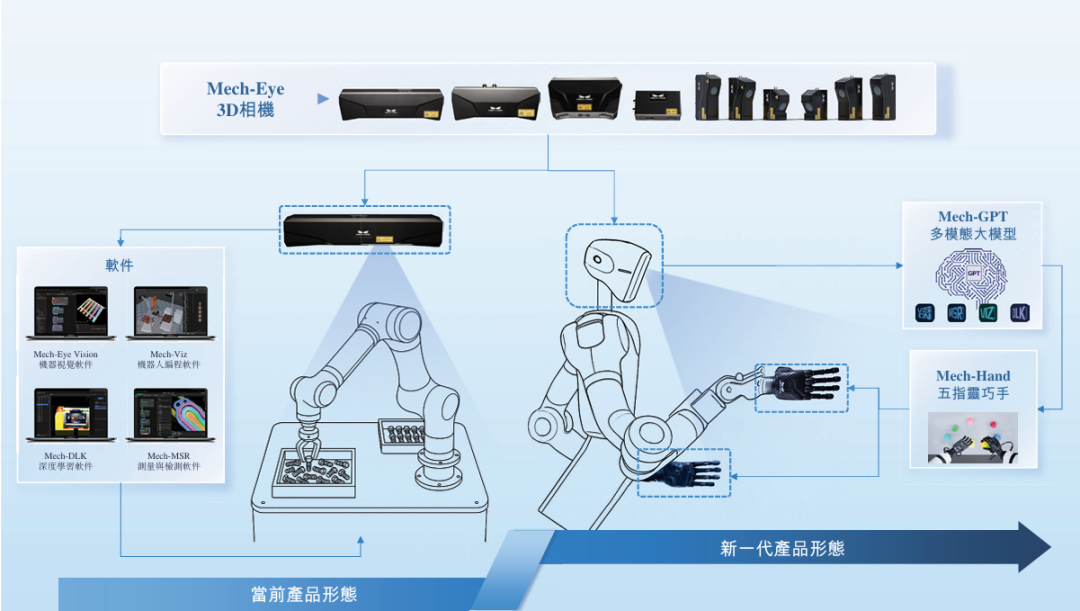
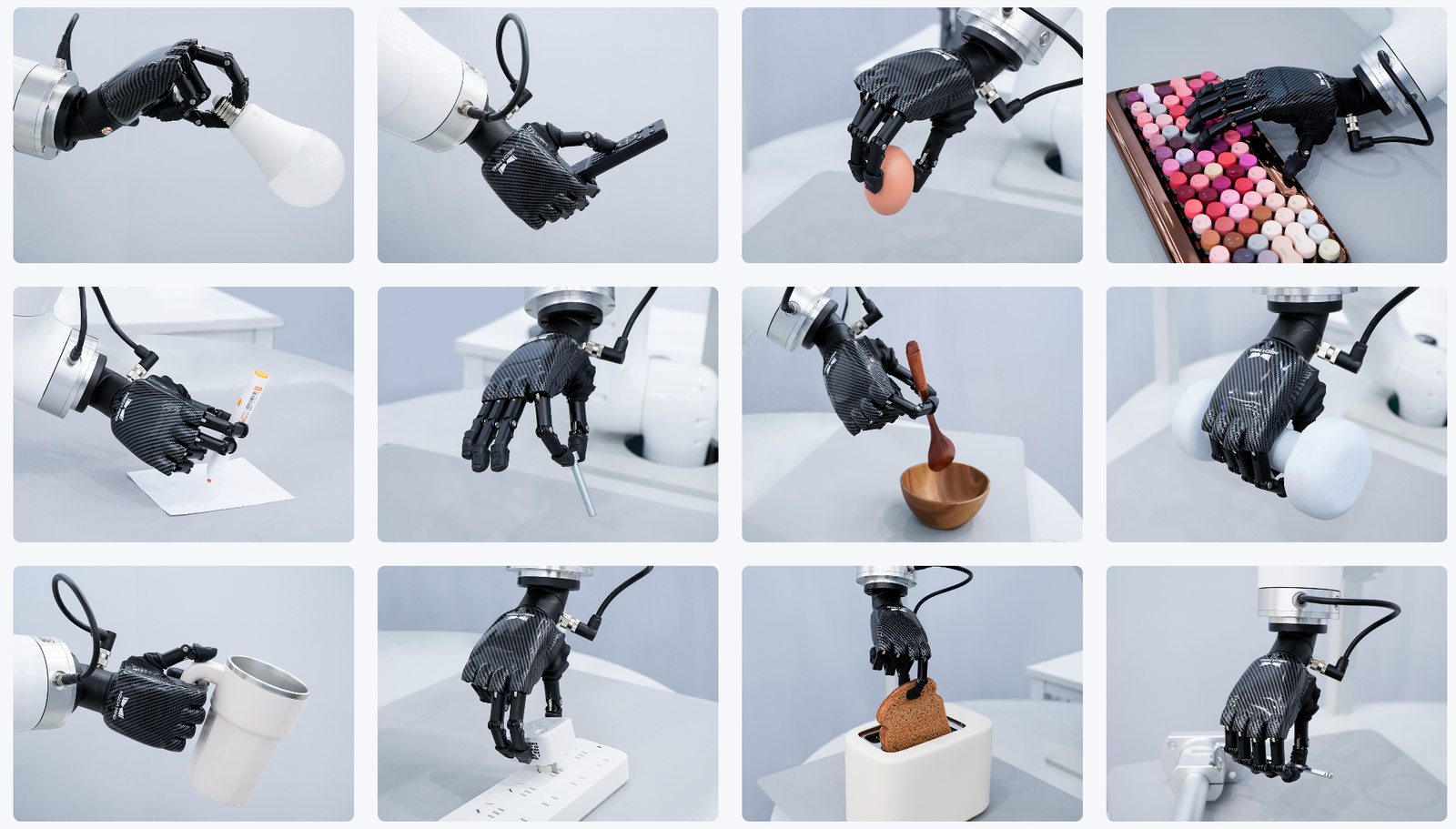
From its 2016 start, Mech-Mind took a decade to build a path with physical AI at the core. It builds no whole robots. It sells standardised eye, brain and hand components. By the latest filing its products are deployed in more than 29,000 units worldwide, serving over 100 Fortune 500 firms. The eye is the Mech-Eye industrial 3D camera, the hand is a new multi-finger gripper rated for over a million cycles, and the brain is its own multimodal model Mech-GPT plus vision and planning algorithms.
Mech-Mind splits the robot brain into three layers: a slow high-level brain for instruction, reasoning and task breakdown, a fast mid-level brain for grasp points, path planning and collision prediction, and a low-level cerebellum that drives the body and checks the result. The result is one brain, many forms: the same system drives robots of different shapes, degrees of freedom and brands.
Abstraction lets the robot know what it is doing
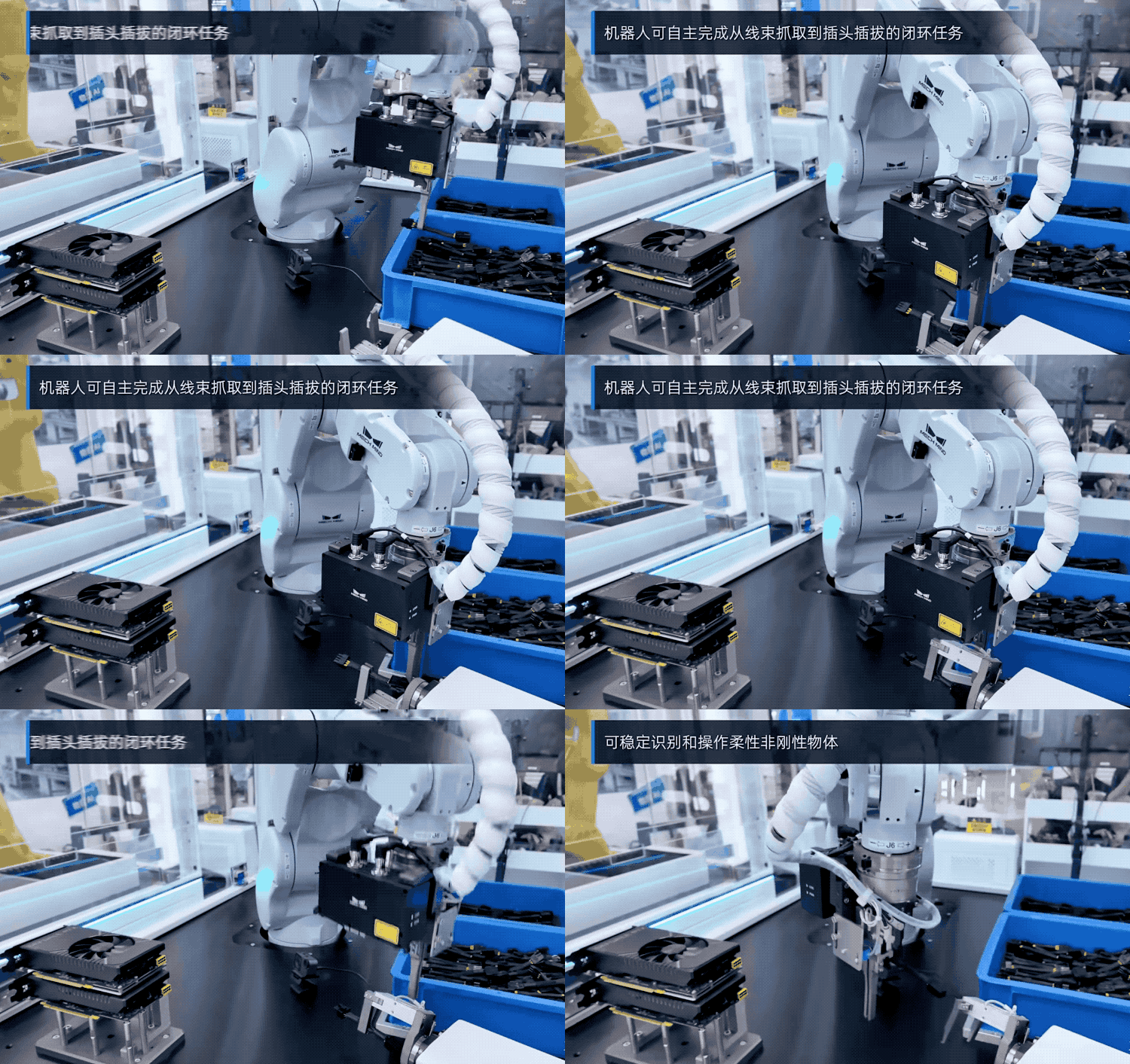
Founder and CEO Shao Tianlan argues real robot intelligence needs sound scene representation and task abstraction, so the machine plans its own moves from its body rather than memorising answers. One route leans on a single fixed scene and maps vision to action for fast demos, but breaks when the environment shifts. Mech-Mind chose the harder route: sound architecture, standard task representation, quality data and testing, breaking tasks into a full perceive-understand-control chain.
On the industry side, robot hardware is maturing, with joints, motors, reducers and controls all improving, and whole machines now viable at scale on load, precision, speed, reliability and cost. The embodied brain is becoming the core variable for how far robots spread, which is exactly the gap Mech-Mind’s one-brain-many-forms design targets.
More images from the source report:
Editor’s note: This is an adapted translation of the original Zhidx report. It has been trimmed and restructured for readability for an international business audience.
Translated and adapted from Zhidx (https://www.zhidx.com/p/589069.html).