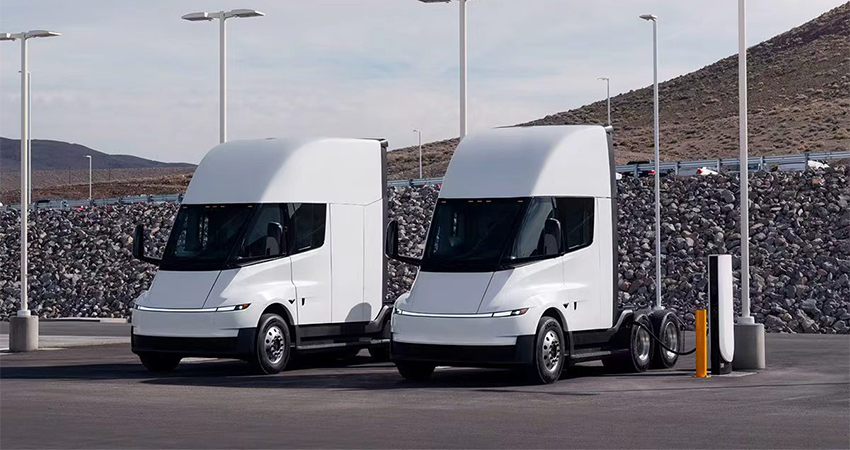
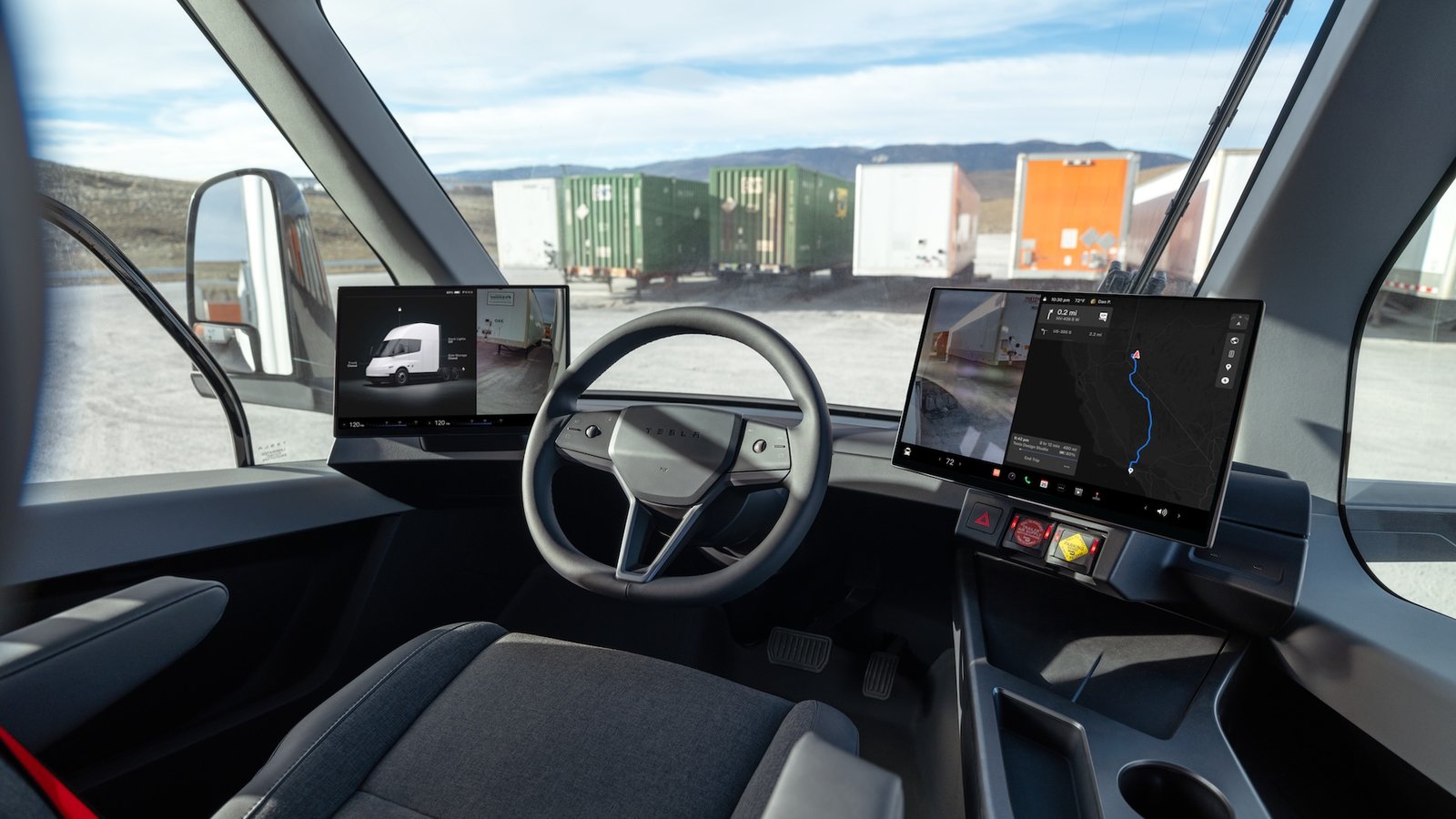
On 11 September Tesla released the Europe-spec Semi and confirmed deliveries to customers will start in 2027. The same week Morgan Stanley ran a different set of numbers: an autonomous Semi driving 18,000 miles a month could contribute about 12,000 to 18,000 dollars a month in software revenue per truck.
By 2040, some 82,000 autonomous Semis could bring about 17 billion dollars in software revenue. Morgan Stanley analyst Andrew Percoco called roughly 80,000 units over 15 years a conservative starting point, and in an optimistic case the software subscription revenue could reach about 34.4 billion dollars.
Wall Street is learning to read Tesla Semi not like a truck maker but like a software terminal. A traditional truck sale books most revenue at delivery; autonomy could let Tesla charge per mile, about 0.85 to 1 dollar per mile. At 18,000 miles a month that is 12,000 to 18,000 dollars a month, and Morgan Stanley values the Semi opportunity alone at about 80 billion dollars of market cap, roughly 20 dollars a share.
For contrast, Tesla’s consumer FSD subscription is about 100 dollars a month. One autonomous Semi’s monthly software take could equal 120 to 180 consumer FSD cars. Trucks sell far fewer units, but high frequency and high mileage amplify the per-unit software value.
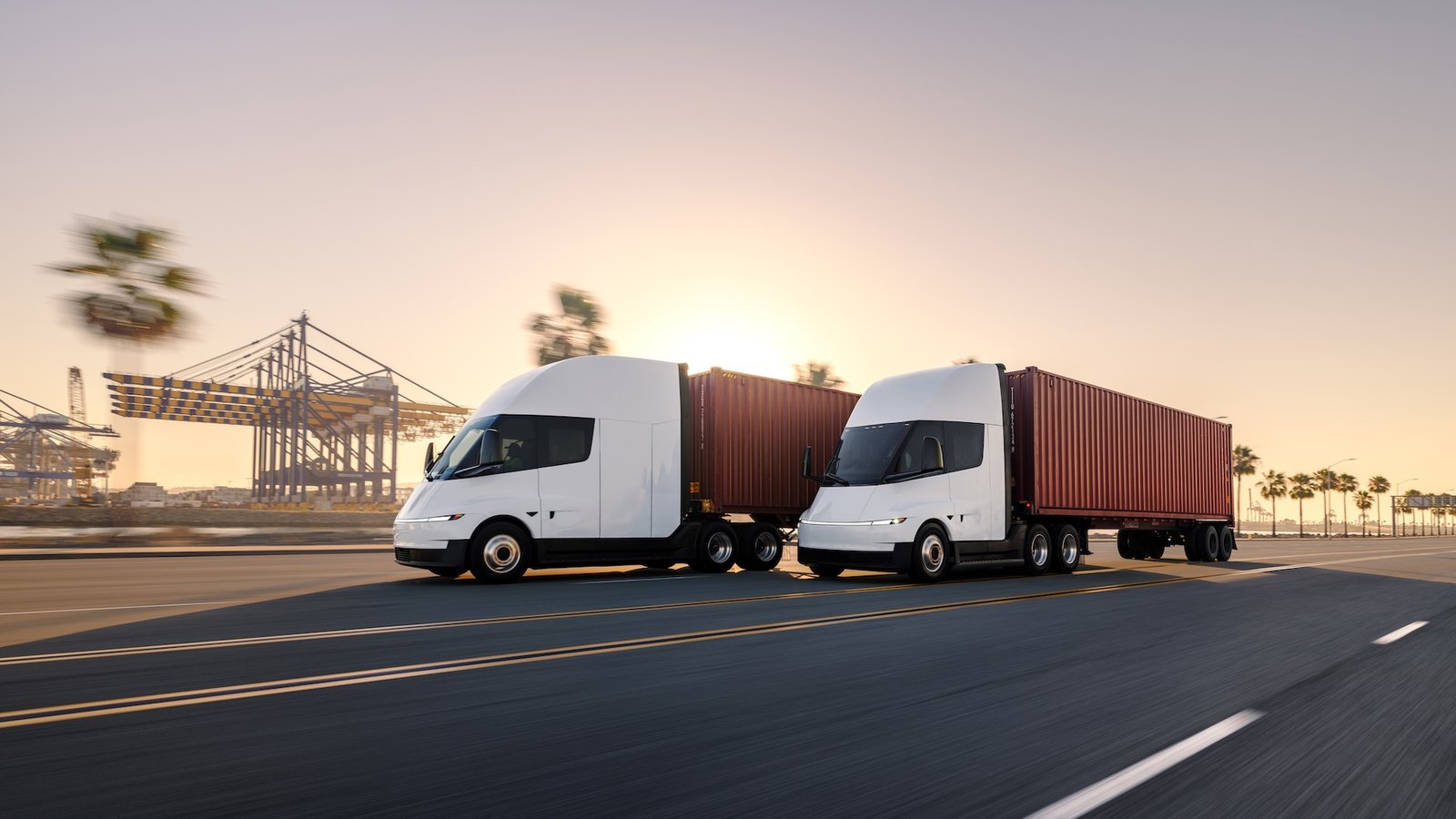
The economics are the point. Morgan Stanley models a human-driven electric truck at about 92,400 miles a year and an autonomous one at about 215,200 miles, with daily running time rising from about 11 hours to 22. Combined cost per mile falls from 2.67 dollars to 2.13 dollars, about 20 per cent, and annual profit per truck rises from about 31,000 dollars to 189,000, margin from 11 per cent to 29 per cent.
Why trucks. Driver shortages are structural, in the US for years and in China too, where the truck-driver gap reached 10 million by early 2025 and 84 per cent of drivers are aged 36 to 55. Autonomy is a calculable saving wherever labour, energy, insurance and idle costs beat the system’s fee. Morgan Stanley sees the US addressable autonomous-truck market at about 601 billion dollars in 2026, over 1 trillion by 2041.
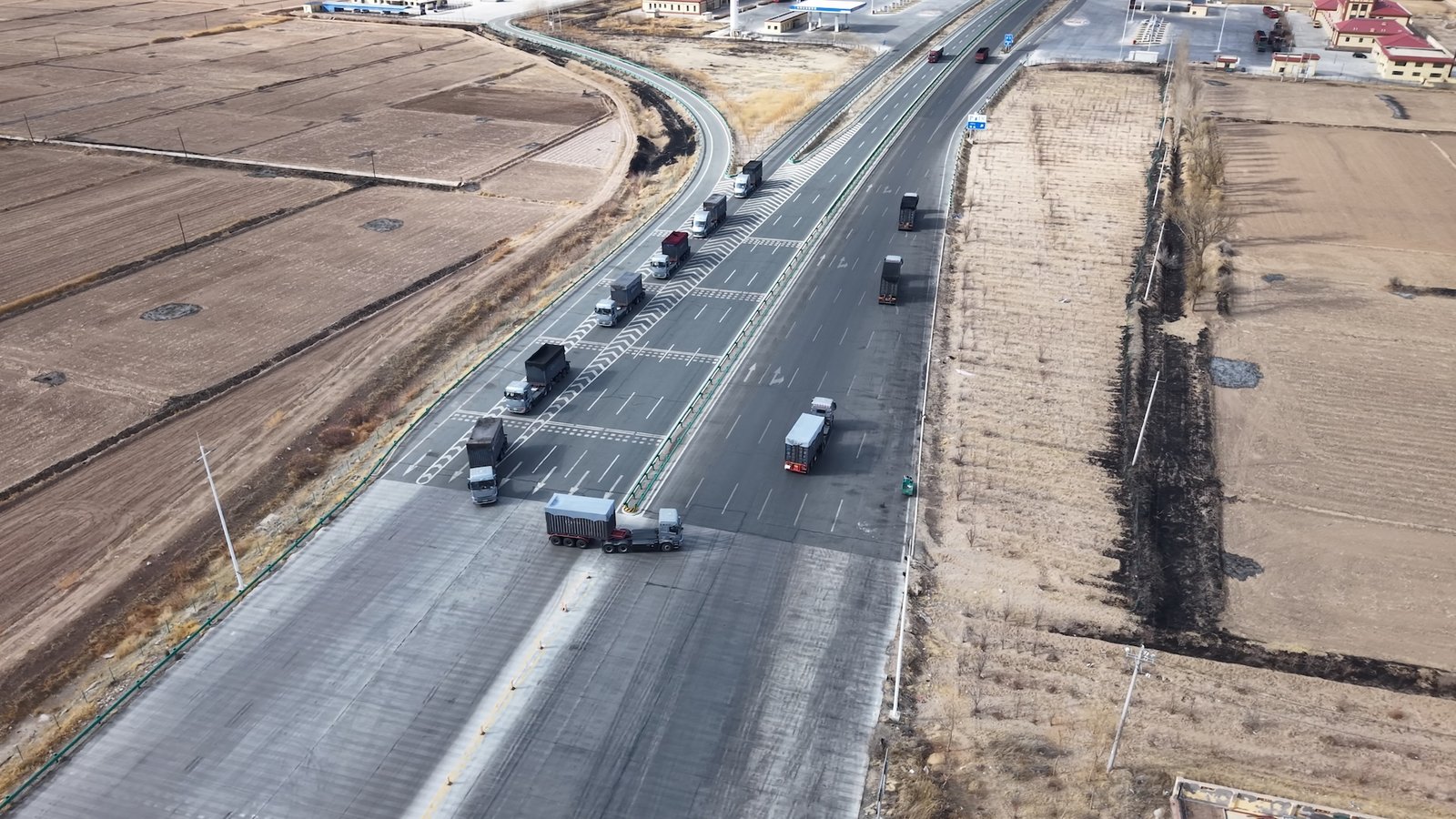
China shows early proof. DeepWay had delivered 13,707 new-energy trucks by April 2026, over 9,000 with L2 assist and a paid-subscription rate above 30 per cent; L4 platooning finished driverless main-vehicle tests in Inner Mongolia and ran continuous L4 tests with STO Express. The model is the same as Tesla’s: ship hardware, then charge ongoing software, then sell capacity.
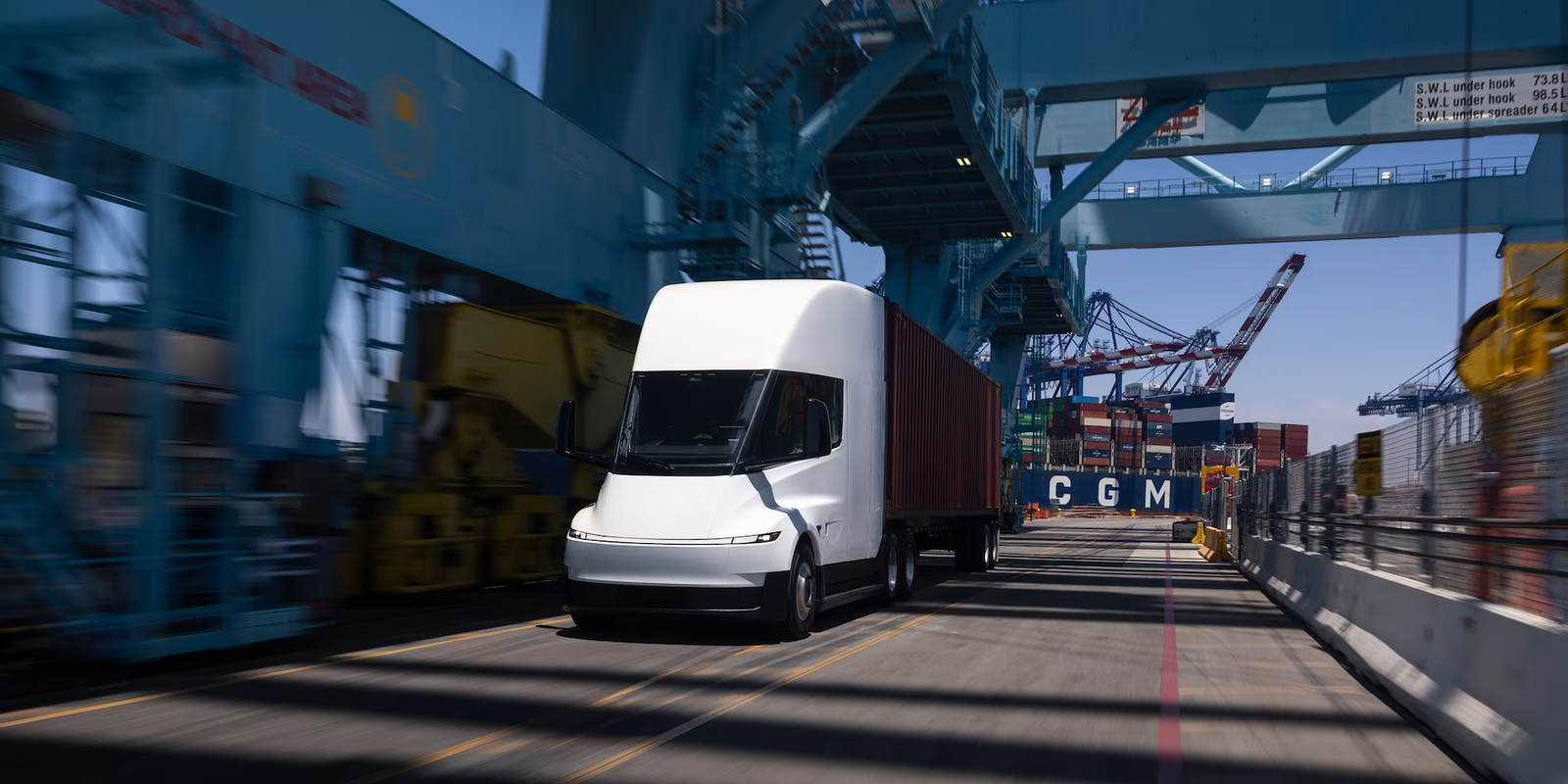
The business splits into three revenue layers: vehicle sales that build the installed base, software subscriptions with higher margin and ongoing billing, and L4 driverless capacity sold straight to shippers. The metric set changes with it; fleet size, autonomy penetration, willingness to keep paying and per-truck software revenue matter as much as units sold.
From selling a truck, to selling software, to selling capacity, Robotruck is forming a model unlike the traditional commercial-vehicle one, and DeepWay’s 30 per cent L2 paid rate is the first signal that fleets will actually keep paying.
Editor’s note: This is an adapted translation of the original Chedongxi report. It has been trimmed and restructured for readability for an international business audience. The full original (in Chinese) is at https://chedongxi.com/p/376367.html.