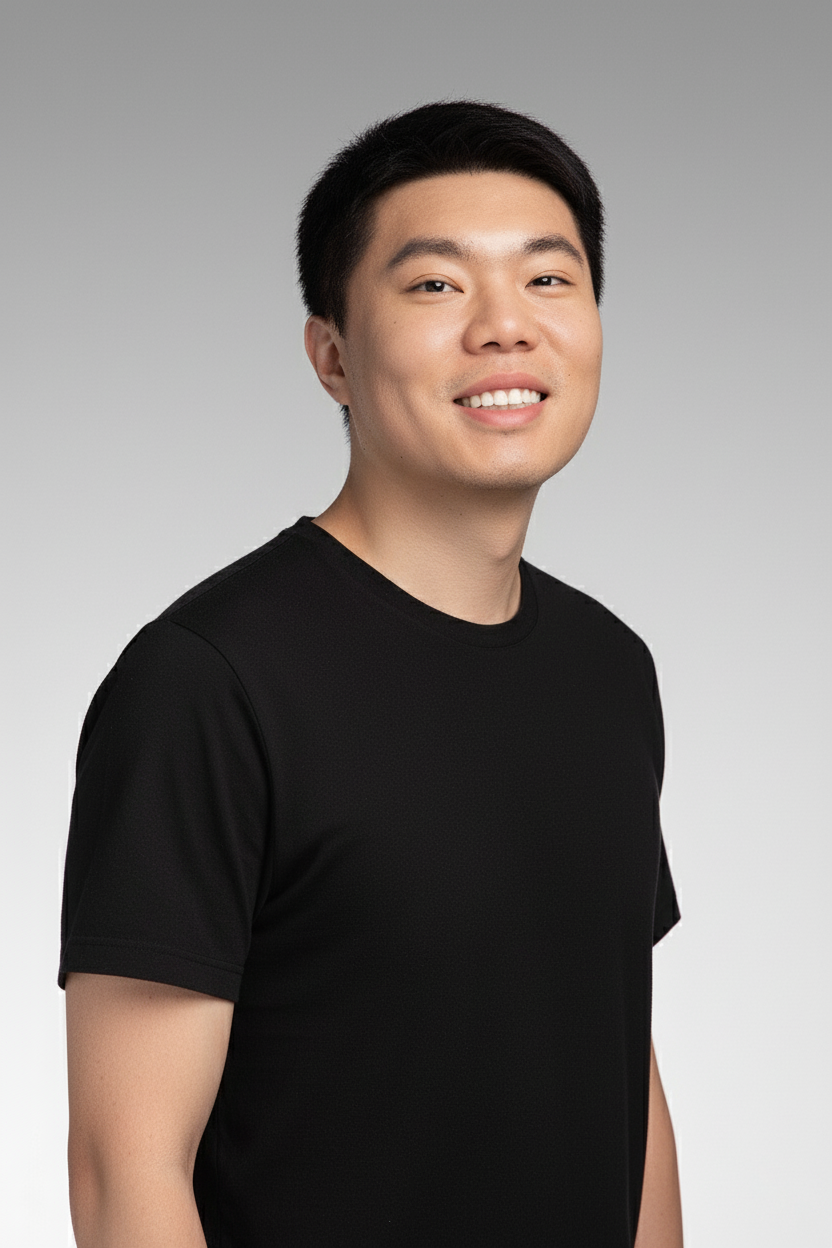
A 1997-born founder who helped build Dreame’s robot-vacuum business has just put a small humanoid on sale for under 1,300 US dollars, and Ant Group led a 500 million yuan pre-Series A round to back him.

Guo Renjie joined Dreame in 2021 and rose to China-head of execution within four years, managing more than 1,500 people and becoming one of the figures behind the company’s rise in the robot-vacuum category. He started Lexiang at the end of 2024, betting that consumer-grade embodied intelligence, not industrial robots, is the path to putting machines in ordinary homes.
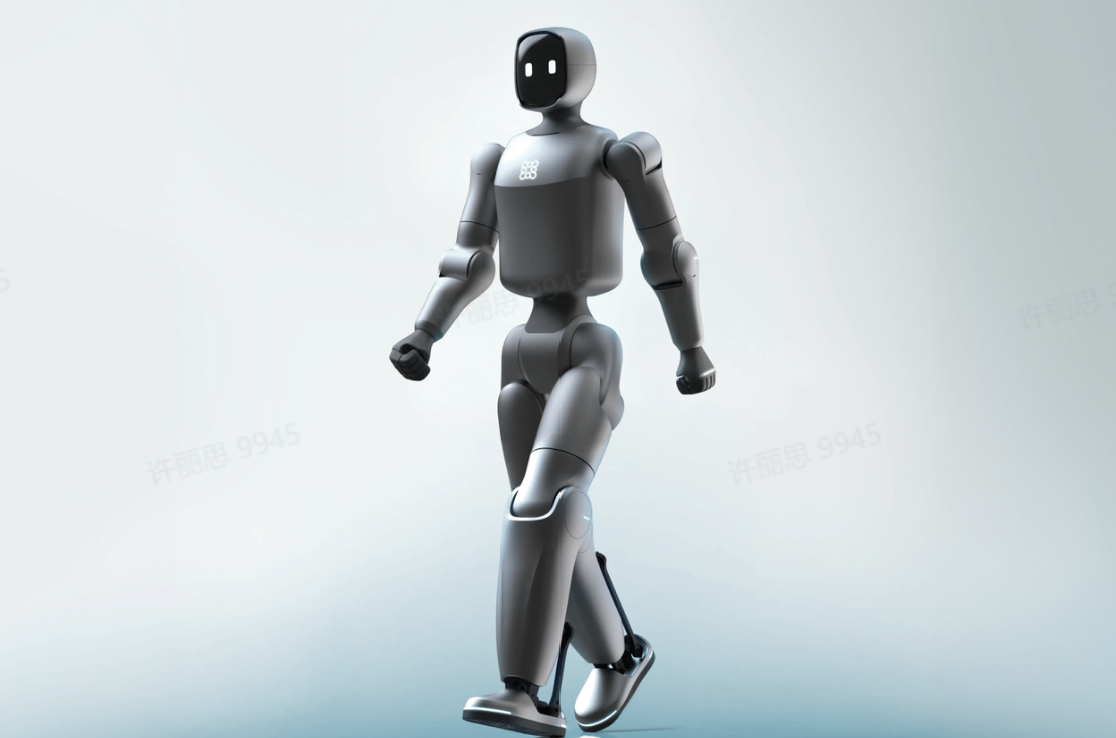
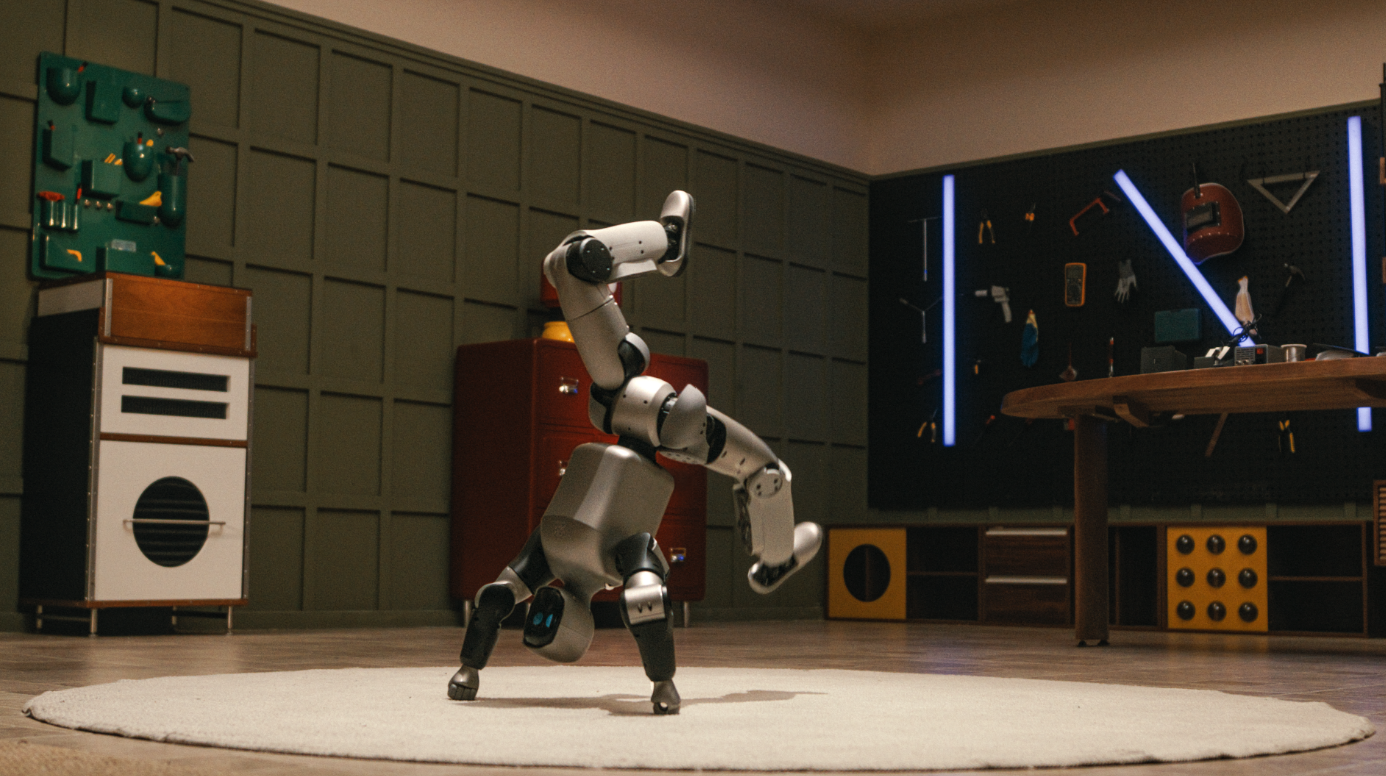
The company’s first product, the M1, is already moving into delivery. Guo says three scenarios tested best with real buyers: companionship and monitoring for the elderly, pet recording, and child education through reminders and habit-building. The newer Bridge, 88 cm tall and under 13 kg, reached only the developer-co-creation stage in July and will stay there until the end of 2026 or early 2027.
Building from small to large
Lexiang runs a three-step product loop: explore the hardware’s limits with geeks and developers, move the useful functions to real users to see what they will pay for, then turn validated demand into a product. The M1 cleared that loop first; Bridge just entered it.
Guo’s hardest lesson came around May 2025, when he realised the gap between imagining a technology and shipping one that people actually use is far wider in embodied AI than in robot vacuums, where roughly 90 per cent of the stack was already mature. At Lexiang, he says, 90 per cent had no precedent. The fix was hiring top scientists and building an in-house team across six tracks: body structure, joint modules, a lightweight arm, vision-language-action models, a general embodied model and a bionic awareness model.
The joint module as the moat
To get a home robot under 10 kg, Lexiang pulled engineers from the drone industry who had mass-produced micro-motors and paired them with humanoid-actuator specialists. The result is a high-torque module about 40 mm across and 210 g that still produces 12 Nm of peak torque, which the team calls the lightest and smallest of its kind. Guo says rivals often overstate their specs; his team rates the same part at 10 to 12 Nm because that is the torque it truly holds in normal duty.
An app store for robots
Lexiang also launched OpenBridge, a fully open developer ecosystem. The pitch is that buyers will install skills the way they install phone apps: one developer’s watering skill, parcel-fetch skill or tea-serving skill becomes a paid add-on, and the company takes a share. Guo argues the model only works once millions of users exist, because developers need to earn from their skills to keep building.
The 8888-yuan Bridge is sold near cost to win developers. A home version with more sensors could land around 15,000 yuan, though Guo wants to hold the line near 10,000 as supply chains mature through 2027. His measure of product-market fit is blunt: a robot needs tens of thousands of units shipped before anyone should claim it has arrived.
Editor’s note: This is an adapted translation of the original Zhidx report. It has been trimmed and restructured for readability for an international business audience. The full original (in Chinese) is at https://www.zhidx.com/p/589669.html.