A robot company that sells no robots is now valued at USD 10 billion, and the arithmetic is the real story.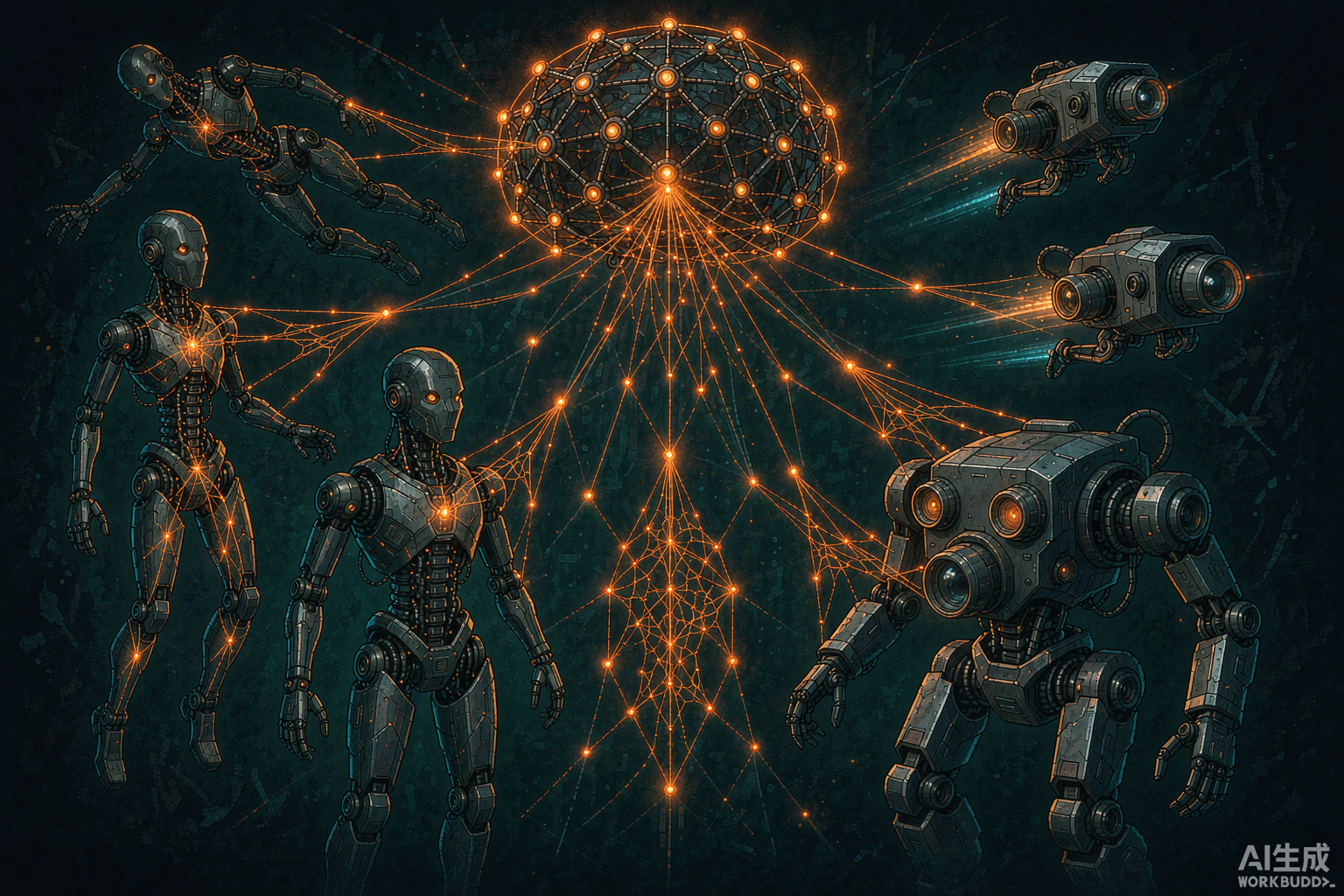
FieldAI, a US firm building a general brain for humanoids, drones and industrial arms, is raising USD 700 million at a USD 10 billion valuation, a fivefold jump in a year. Its cumulative revenue and contracts total USD 135 million, and it ships no robot bodies. Hyundai, an automaker, is among the backers, a sign of strategic, not just financial, interest.
FieldAI’s general brain is one software stack that drives many robot types, the Android logic of the robot era: write once, run on any body. The pitch is that as robots spread, the operating layer captures the value, just as Apple and Google took it from handset makers. At USD 10 billion on USD 135 million, the multiple is about 74 times.
FieldAI is not alone. Zi Jin is valued at USD 20 billion with deployments in homes and factories. Skild AI books USD 100 million ARR, also without hardware. Meanwhile body and component makers, like In-X with joints and dexterous hands, ship 100,000 units to buyers including BYD and Zoomlion, earning cash per unit. The brain commands a story; the body ships the reality.
Why pay 74 times for no hardware? Two reasons. One, a bet on the endgame where software owns the profit once robots scale, as Android did for phones. Two, strategic capital from carmakers buying a seat in the robot brain race cheaper than building their own. But the open question stays: will robot giants like Tesla and BYD, who build their own brains, ever cede that layer to a third party?
The numbers are set: USD 10 billion value, USD 135 million cumulative revenue, 74 times, no bodies. Whether the brain business survives on its own or lives on funding until robots truly spread is the question FieldAI has not answered.
Editor’s note: This is an adapted translation of the original 36Kr report. The full source is at https://36kr.com/p/4016951181711239 (36Kr). It has been trimmed and restructured for readability for an international business audience.