Four years of supplier scouting in China have produced a shortlist Renault now wants to convert into global contracts. Speaking in Shanghai on 23 October, Renault Group China chairman and chief executive Su Weiming said the French carmaker has examined more than 400 Chinese companies and is studying how to fold local tier-one and tier-two suppliers into its worldwide industrial system.
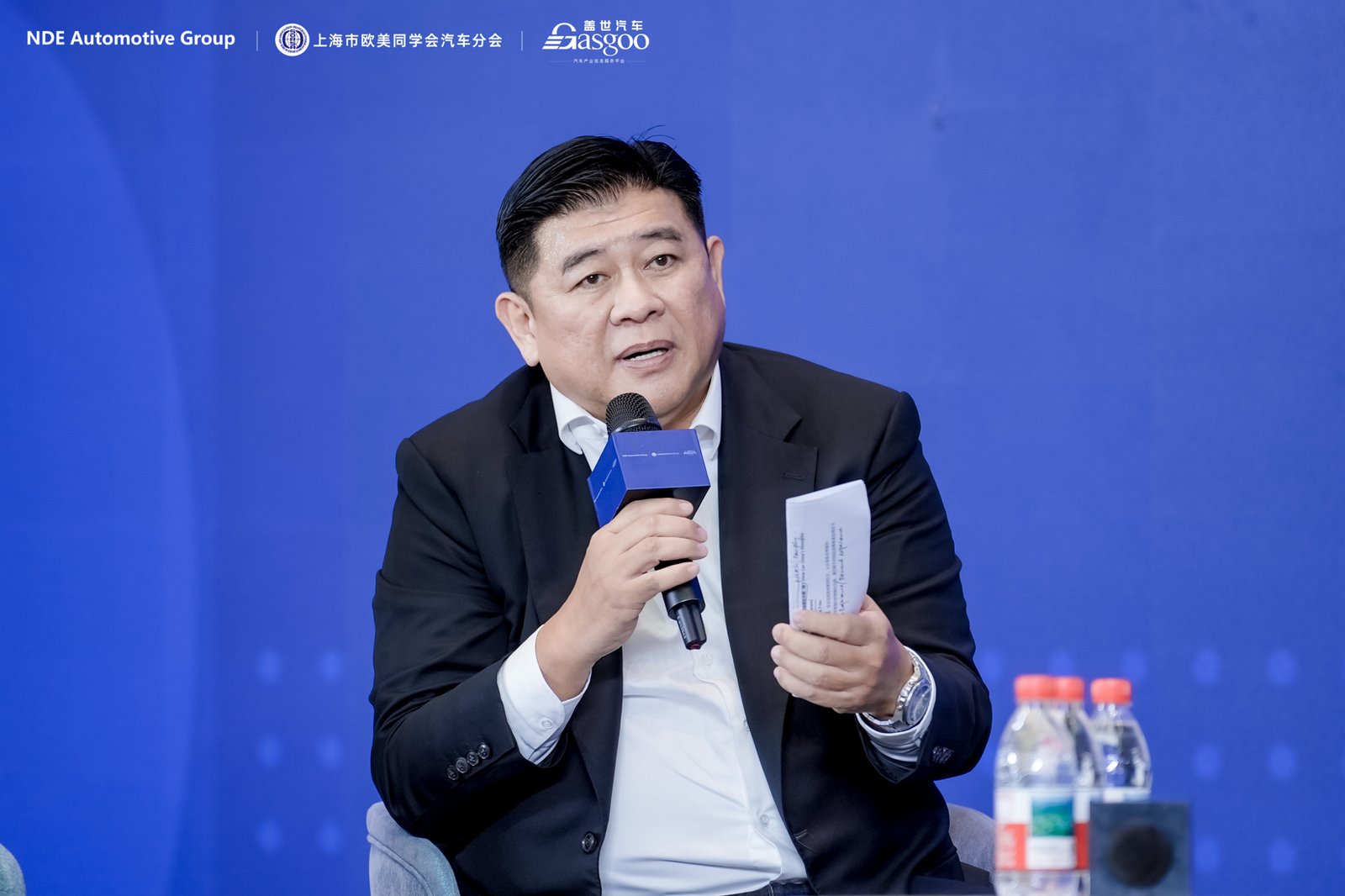
Su put the number on stage at the 14th Automotive and Environment Innovation Forum in Shanghai, held alongside the eighth Golden Panel Awards. Renault has identified about 15 areas for cooperation and wants deeper relationships with a group of Chinese tier-one suppliers, rather than one-off sourcing deals.
Not just parts on a boat
The distinction matters. Su argued that supplier internationalisation cannot stop at product exports. It has to cover research and development, intellectual property arrangements, and the integration of local industrial resources in each region.
He applied the same logic to vehicles. Exporting finished cars, he said, is not the whole answer to industrial globalisation. Knocked-down kit exports, exporting R&D capability, and reallocating the supply chain across regions all become core questions.
Renault has been building in this direction. Its Advanced China Development Center has taken part in global model development, and the Twingo programme brought Chinese suppliers into the vehicle.
The part nobody advertises
Su also flagged the friction. The model is still being tested, and Chinese suppliers going abroad have to adapt to local finance, banking and settlement systems before they can genuinely join a regional industrial ecosystem. That is usually where export ambitions stall, well after the first contract is signed.
For Chinese component makers, the opening is real. Entry into a global carmaker’s system is broadening. But the terms have changed. A purchase order is no longer the prize. Engineering presence, IP hygiene and local financial footing are.
Renault is not alone in shopping. What it is doing, in public and with a number attached, is admitting that the cost and speed benchmark for its next platforms is now set inside China.
Editor’s note: This is an adapted translation of the original Gasgoo report. It has been trimmed and restructured for readability for an international business audience. The full original (in Chinese) is at https://auto.gasgoo.com/news/202610/23I70475710C109.shtml.