Stellantis sent its leadership team to Wuhan in early November, and the itinerary mattered as much as the meeting. Before sitting down with Dongfeng Motor general manager Feng Changjun, the visitors went to the city’s intelligent connected vehicle test track to drive Dongfeng’s own models and hear the company’s technology roadmap.
The location carried its own message. For a decade the relationship ran through Shenlong Motors, the joint venture that built and sold Peugeot and Citroën cars in China. The agenda has moved from how many units to sell this year to how the two companies sell cars into Europe together.
The joint statement used eight characters: Chinese innovation, shared globally. It describes a new division of labour in which Dongfeng supplies technology and product while Stellantis supplies channels and a global network.
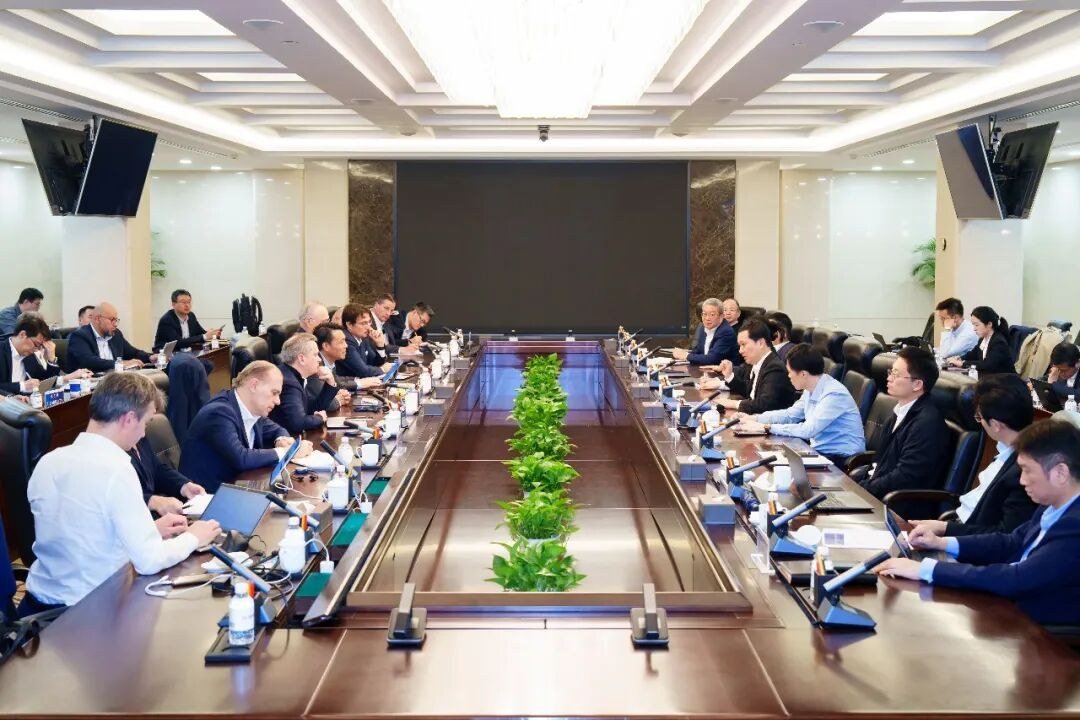
From selling cars in China to swapping technology
The contraction of Stellantis in China is public record. Peugeot and Citroën together sell fewer than 100,000 vehicles a year, against a peak near 700,000. The Jeep production base has been shut. Dodge and Chrysler have effectively left.
Retreat is not the same as exit. Stellantis has chosen a different route: stop competing head-on with Chinese domestic brands, treat China as a supply base for technology and product, and push the resulting capability into global markets.
The pivot has a clear sequence. Earlier this year the two groups signed a non-binding memorandum to create a European joint venture, 51 per cent held by Stellantis and 49 per cent by Dongfeng, headquartered in Europe. The entity takes on sales and distribution for the Voyah electric brand in Europe, alongside production, purchasing and engineering functions.
In August, Shenlong Automobile Technology (Wuhan) completed a brand refresh and took over management of the two groups’ China joint venture business. It is no longer only a manufacturing entity but the platform through which the partners coordinate technology and product.
In September, Shenlong signed a global strategic cooperation with Momenta. The two will develop advanced driver assistance on Momenta’s R7 world model, and the system will be fitted to new production models from Peugeot and Jeep for sale in China, Europe and other markets.
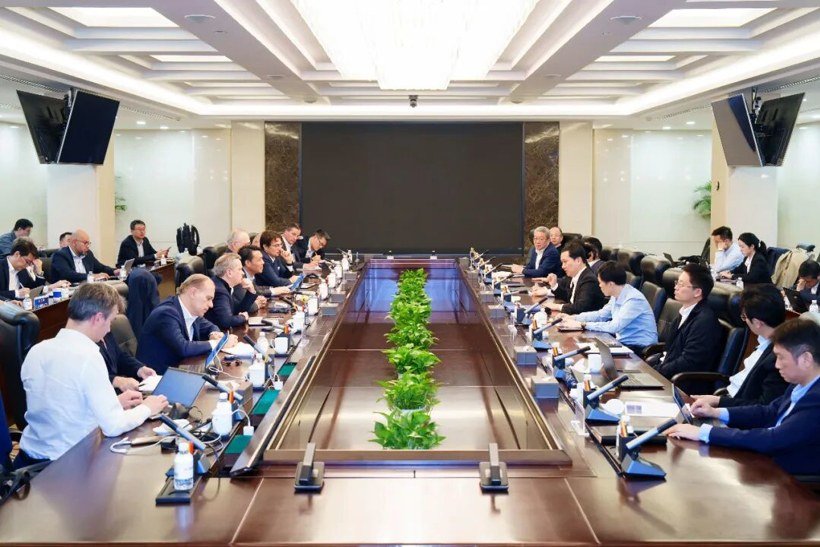
Three steps inside six months. The November meeting in Wuhan was the checkpoint after all three.
How far the model can travel
The first obstacle is the European trade wall. The EU has applied countervailing duties to Chinese electric vehicles since 2024, at rates from 17 to 35 per cent. A Voyah exported directly from China meets that tariff. Local production and procurement inside Europe is partly designed to avoid it, but European plant costs run far above Chinese ones, which compresses the brand’s pricing room.
The second is the home market. Shenlong Technology is positioned as a global cooperation platform, yet it still manages Peugeot and Citroën production and sales in China, where BYD, Geely and Chery are pressing hard. The RMB 100,000 to 200,000 band is the most fiercely defended segment in the country, and joint-venture share there erodes every year. If Shenlong cannot hold its ground at home, it will have no capacity to support cooperation abroad.
The third is the durability of technology transfer. What Stellantis acquires is Chinese electrification and intelligence capability, and that capability iterates fast. A partner that only takes the current version will face a generation gap in two or three years. What is needed is a continuous synchronisation mechanism rather than a one-off transfer. Asked about this, a Stellantis official told Gasgoo there was no further information to disclose at this stage.
Stellantis chief executive Antonio Tavares has said in public more than once that competition in China is the fiercest in the world and that the group needs to learn speed and efficiency there. The other side of that sentence is blunter: Stellantis can no longer compete head-on in China, but it can buy a ticket through cooperation.
Dongfeng has its own calculus. Voyah’s domestic performance is unremarkable, at about 150,000 units in 2025, some distance behind Li Auto and NIO. Stellantis’s European sales network offers a faster route to overseas revenue and brand premium.
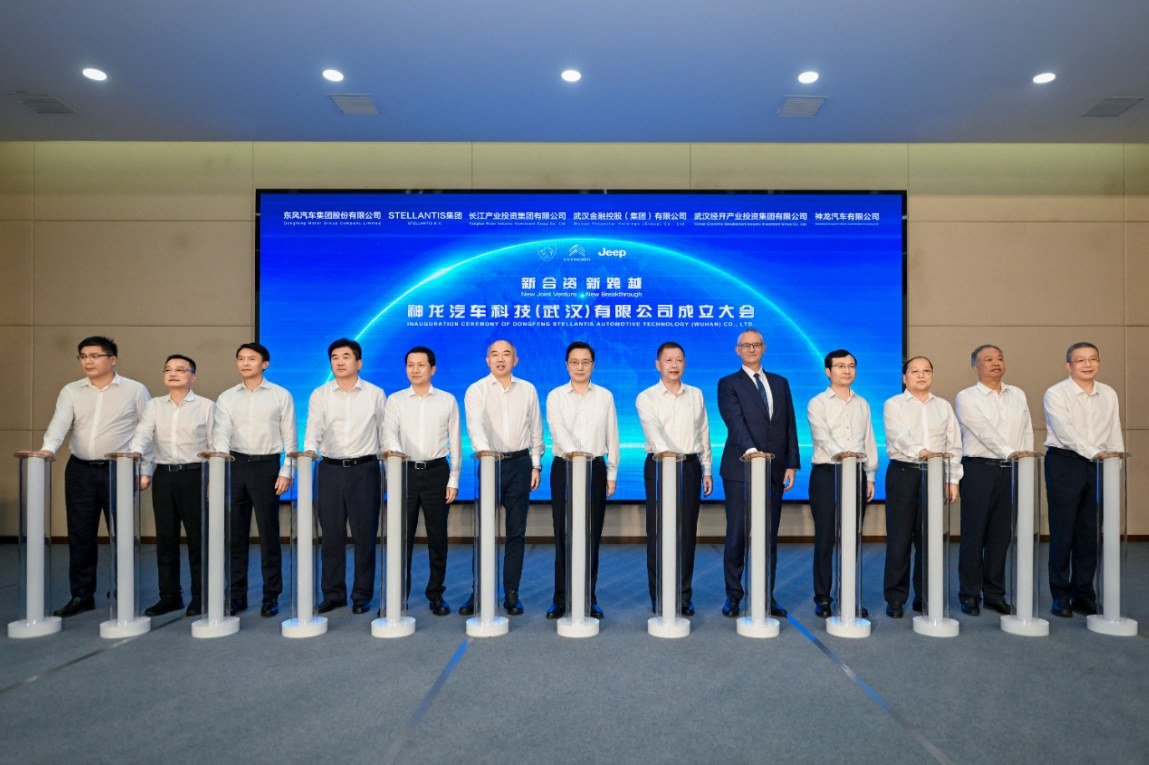
The real test is not the memorandum. It is the first Voyah order taken in Europe next year, and Shenlong Technology’s quarterly report the year after. Only after the wheels cross the border will anyone know whether this arrangement turns.
Editor’s note: This is an adapted translation of the original Gasgoo report. It has been trimmed and restructured for readability for an international business audience. The full original (in Chinese) is at https://auto.gasgoo.com/news/202611/4I70476877C109.shtml.