Bosch will establish a dedicated semiconductor division on 1 January 2028. The move is part of a wider restructuring of the Bosch Group and Bosch Mobility, and the new division will remain inside the mobility arm.
Semiconductors currently sit within the automotive electronics division. Under the published targets, Bosch is aiming for semiconductor sales of EUR 5 billion by 2030.
Beyond vehicles, the company intends to push into robotics and artificial intelligence data centres, while defending its existing positions in automotive, smartphones and wearables.
Why a car supplier wants a chip division
Bosch argues that demand for semiconductors is rising sharply as robotics and AI data centres scale, and that it wants to capture that growth. Its chips are already deployed in robots, according to the company.
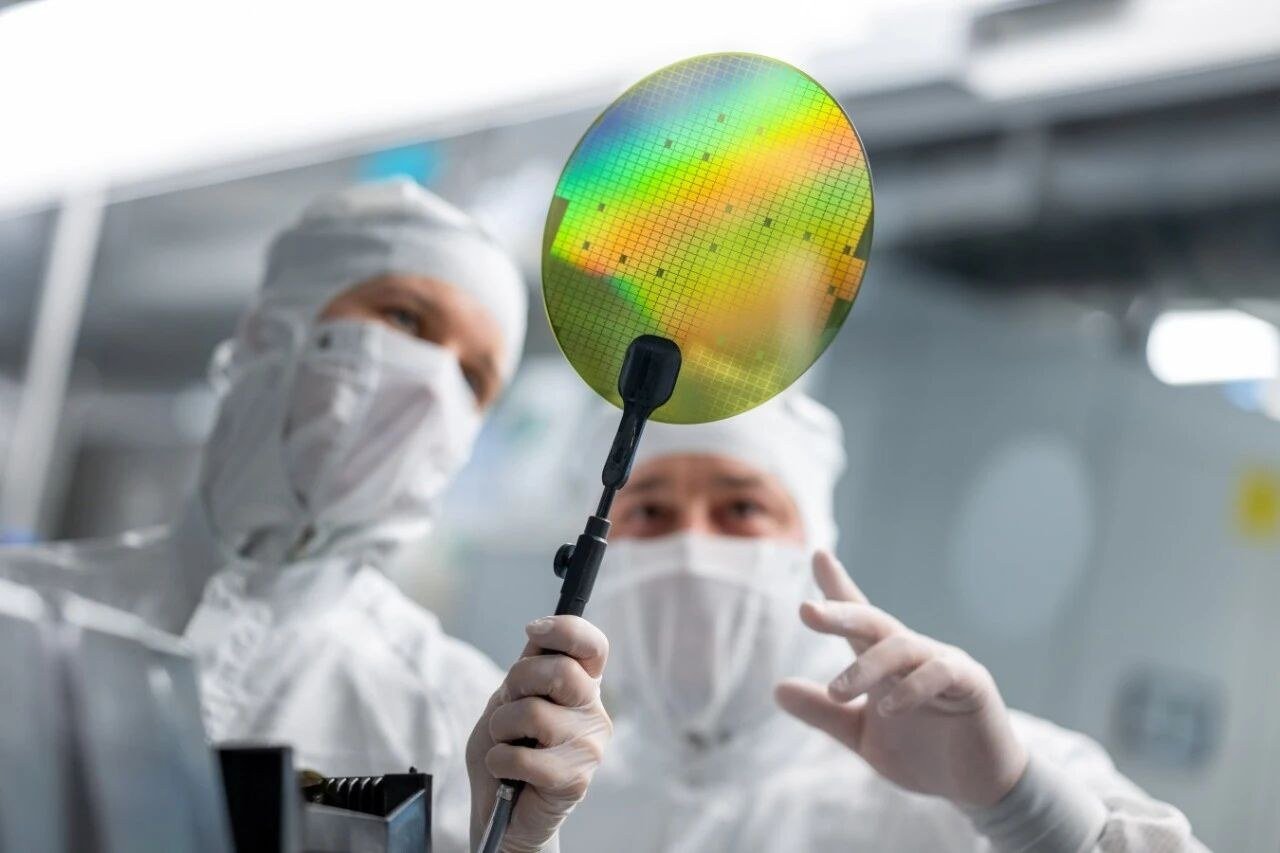
The technical base is deep. Bosch has more than 60 years in semiconductors, with strength concentrated in micro-electromechanical systems sensors and in embedding chips deeply into system-level products, particularly silicon carbide and application-specific integrated circuits.
Bosch says a standalone division will align organisational structure and business processes more closely with the fast-moving customer and market demands of the semiconductor industry, so it can serve automotive, consumer electronics and newer sectors more precisely.
The China paragraph
The announcement specifically names China, which Bosch describes as the world’s most dynamic market for intelligent vehicles, consumer electronics and embodied AI robots, with rapidly growing demand for advanced chips and high-precision sensors.
Bosch says it is already working with Chinese carmakers, consumer technology brands and robotics companies.
That is an unusual paragraph for a German industrial group to put in a chip announcement, and it reflects where the volume is. Chinese robot builders and electric vehicle makers are the fastest-growing buyers of MEMS and power semiconductors, and a supplier that wants EUR 5 billion by 2030 cannot reach it on European automotive volumes alone.
The division is a bet that the sensor and power layer stays valuable as machines multiply, whether those machines carry a car badge or a robot arm.
Editor’s note: This is an adapted translation of the original Gasgoo report. It has been trimmed and restructured for readability for an international business audience. The full original (in Chinese) is at https://auto.gasgoo.com/news/202611/4I70476839C103.shtml.