SYNCERE raised USD 11 million in pre-seed funding on 3 November, led by a16z Speedrun with Draper Associates, Physical World, Sequel and SeaX Ventures participating. The company is based in Palo Alto, is less than a year old, and employs a single digit number of people.
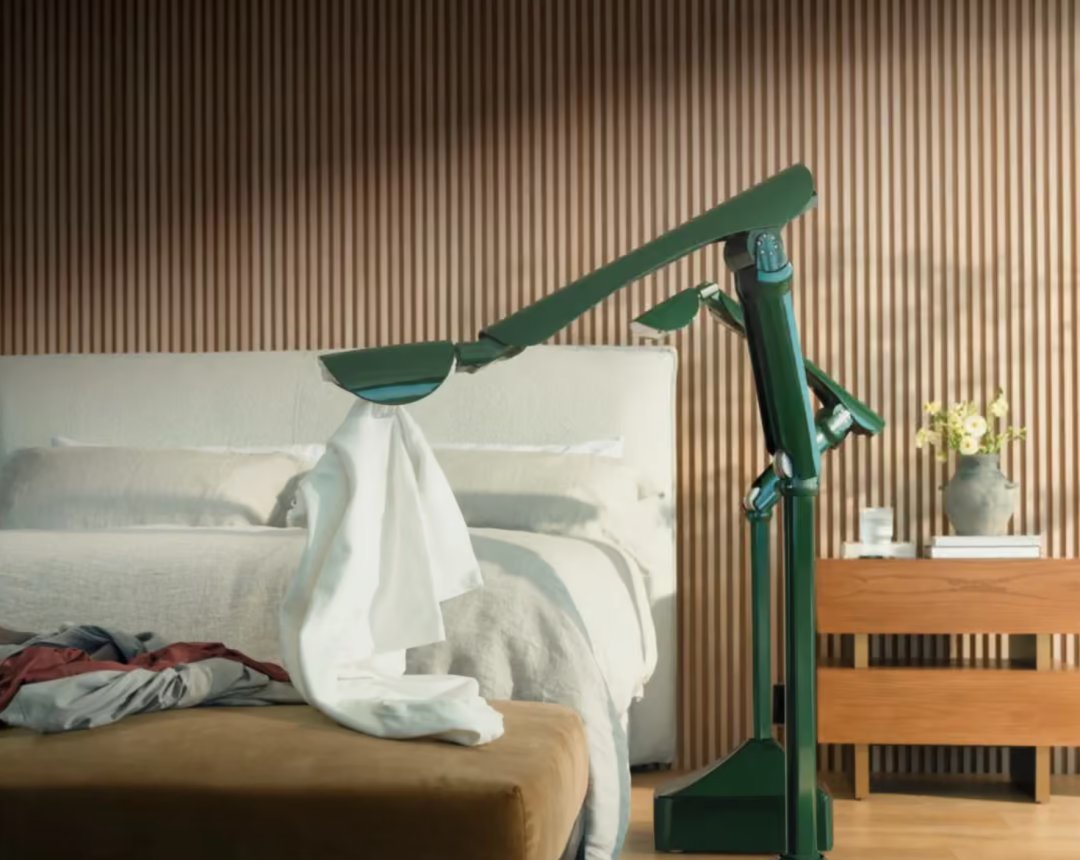
The thing it is shipping looks like a floor lamp.
They started with a humanoid and abandoned the form
In 2025 founders Aaron Tan and Angus Fung put a self-built humanoid prototype into real homes and hotel rooms in Toronto and asked residents to give it chores. The University of Toronto recorded the feedback, and it was consistent. The machine made people uncomfortable.
The two robotics PhDs revised control strategies repeatedly. What they gave up was not the algorithm, it was the human shape. The arms moved inside a lampshade, the motors and wheels went into the base, and a walking machine became a piece of furniture.
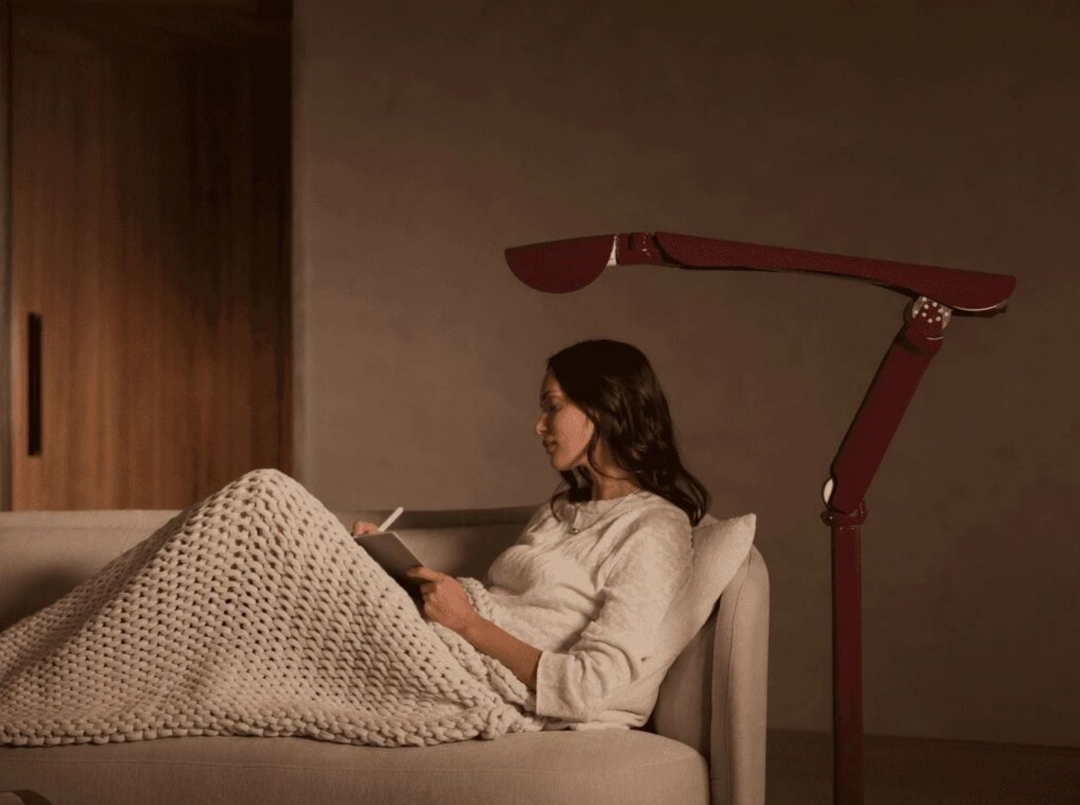
Lume is 1.14 metres tall when folded, in anodised aluminium finished like a durable household object. Two thin arms sit inside the shade. A camera in the shade reads fabric colour and room boundaries. The machine travels from wall to laundry basket on its own, extends its arms to fold clothes, make a bed and return cushions, then goes back to being a lamp. The official description is deliberately modest, a lamp that does housework.
The pricing is the product
Lume costs USD 2,699, about RMB 18,000. A two lamp set is USD 5,199. Software is either USD 679 for life or USD 79 a month from the second quarter of 2027. First year all-in cost is about USD 3,378.
That number matters because the category has a graveyard built on price. Japan’s Seven Dreamers raised about USD 89 million for Laundroid, priced it at USD 16,000, and filed for bankruptcy in April 2019 having delivered nothing. FoldiMate exhibited at CES for three years and quietly stopped operating in 2021. Weave Robotics put Isaac on sale this February at USD 7,999 with delivery in 2027.
Consultancy Altman Solon surveyed more than a thousand American consumers. Sixty-nine per cent would not pay above USD 5,000 for a home robot. Fifty-four per cent expect it to save six hours a week. Sixty-one per cent would pay no more than USD 14 per hour saved, which annualises to just over USD 5,000. Lume lands inside that band, and it is the first product to do so.
The comparison set is unkind to everyone else
1X prices NEO at USD 20,000. Public material puts folding a sweater at about two minutes and loading three plates at about five, and it still needs teleoperators. Galbot folds a garment in roughly five minutes on a show floor. Jijia Shijie has been running its Shiguang S1 in real homes in Wuhan’s Optics Valley since late May.
The Chinese route is engineering validation in volume: deploy, collect failure data, iterate. SYNCERE’s route is consumer branding. Its debut was not in a factory but backstage at Altuzarra during New York Fashion Week, a private booth at Jeff Bezos’s MARS conference, and a founder documentary shot by a film crew.
Both approaches land in the same year. Wang Xingxing said at Wuzhen on 4 November that 2027 is likely to be the inflection point for the industry, with the binding constraint being the last few millimetres of tactile and contact understanding. Lume’s delivery window is the first quarter of 2027.

What has not been disclosed
Battery life, task duration and failure rates are unpublished, and those three numbers decide whether a household keeps the product after a month. The April 2026 launch was reported at USD 1,499. The September release price reads USD 2,699.
The deeper contribution is not mechanical. For a decade the industry assumed a home robot earns its place in the living room by being useful, so every effort went into capability lists. Lume answers a different question first, which is why a machine is allowed to be there at all. It solves for looks, position and price, then talks about capability.
If that ordering holds, the competitive axis moves from who can do more to who can be admitted at a lower cost of entry.
Editor’s note: This is an adapted translation of the original OFweek report. It has been trimmed and restructured for readability for an international business audience. The full original (in Chinese) is at https://robot.ofweek.com/2026-11/ART-8321203-12003-30710429.html.