A charger rated at 400 kW can deliver little more than 300 kW during the hottest hours of a summer day. Heavy-duty truck chargers begin to lose output after about 40 minutes at full power. Su Xin, chairman and chief executive of Ene-time, outlined both cases on 18 November at the 2026 China Charging and Swapping Ecology Conference.
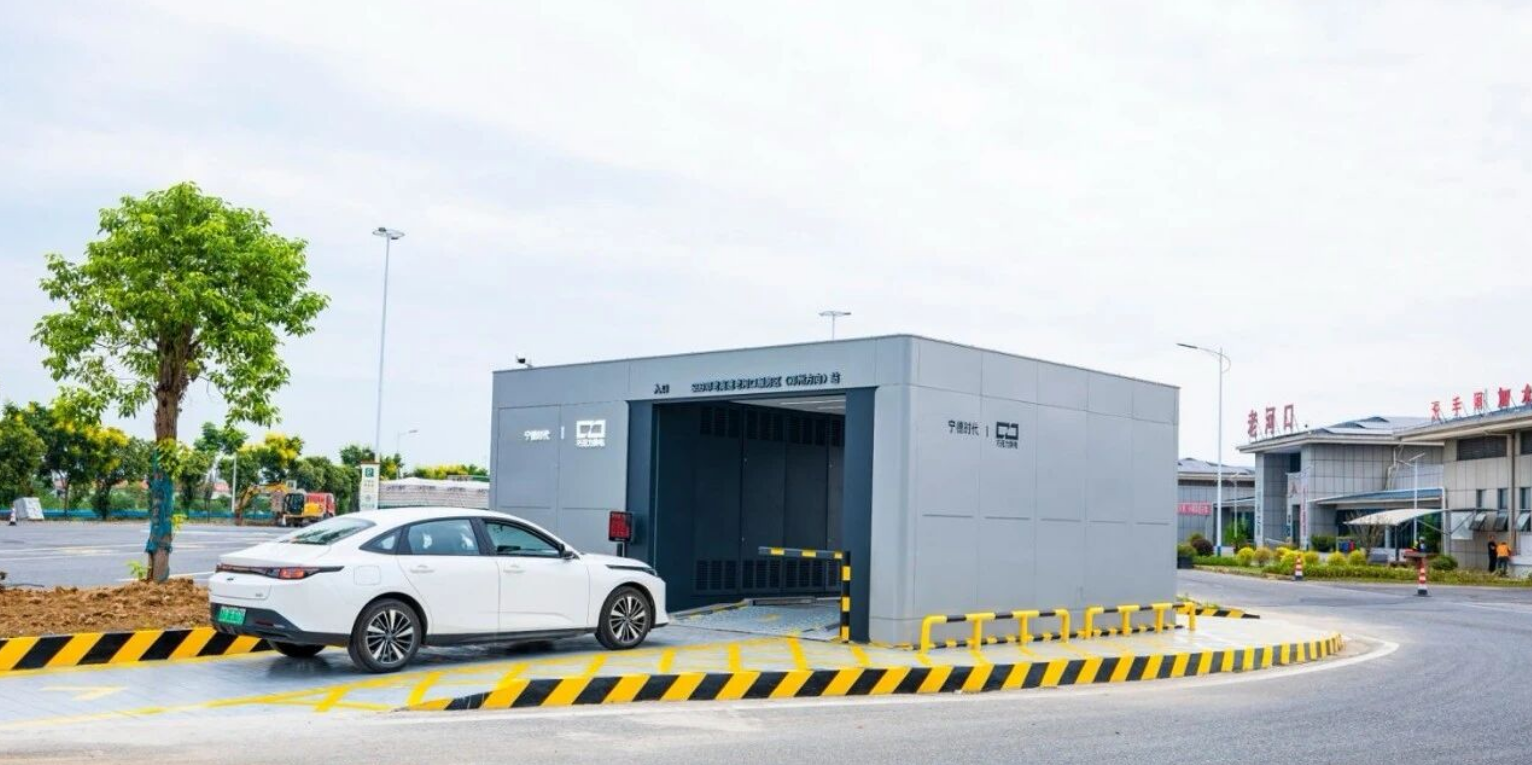
The point is a gap between a device’s stated peak power and what it can sustain under high temperatures and long operating hours. Price competition, long the defining feature of China’s car market, is now reaching the performance and quality of charging equipment.
The car industry as a warning
China’s vehicle market went through years of discounting. New brands entered, electric models updated quickly, and manufacturers cut prices and added equipment to win share. Supply grew faster than demand, so each round of cuts was quickly matched.
In the first half of 2026, the pressure showed up clearly. Cui Dongshu of the passenger car association said combustion models were discounted by an average of 14.9 per cent amid high stock and weak demand. Electric models discounted in the first six months fell by an average of RMB 30,000, about 12 per cent. Average profit margins in vehicle manufacturing dropped to 1.5 per cent, the lowest in almost ten years.
Regulators stepped in. The National Development and Reform Commission called for an end to disorderly competition, and the China Automobile Association issued a fairness initiative. The Ministry of Industry and Information Technology said uncontrolled price wars disrupt operations, squeeze research budgets and harm product quality and safety. Major carmakers pledged to pay suppliers within 60 days, and a one-year campaign on production consistency and quality was launched.
Pressure reaches the hardware
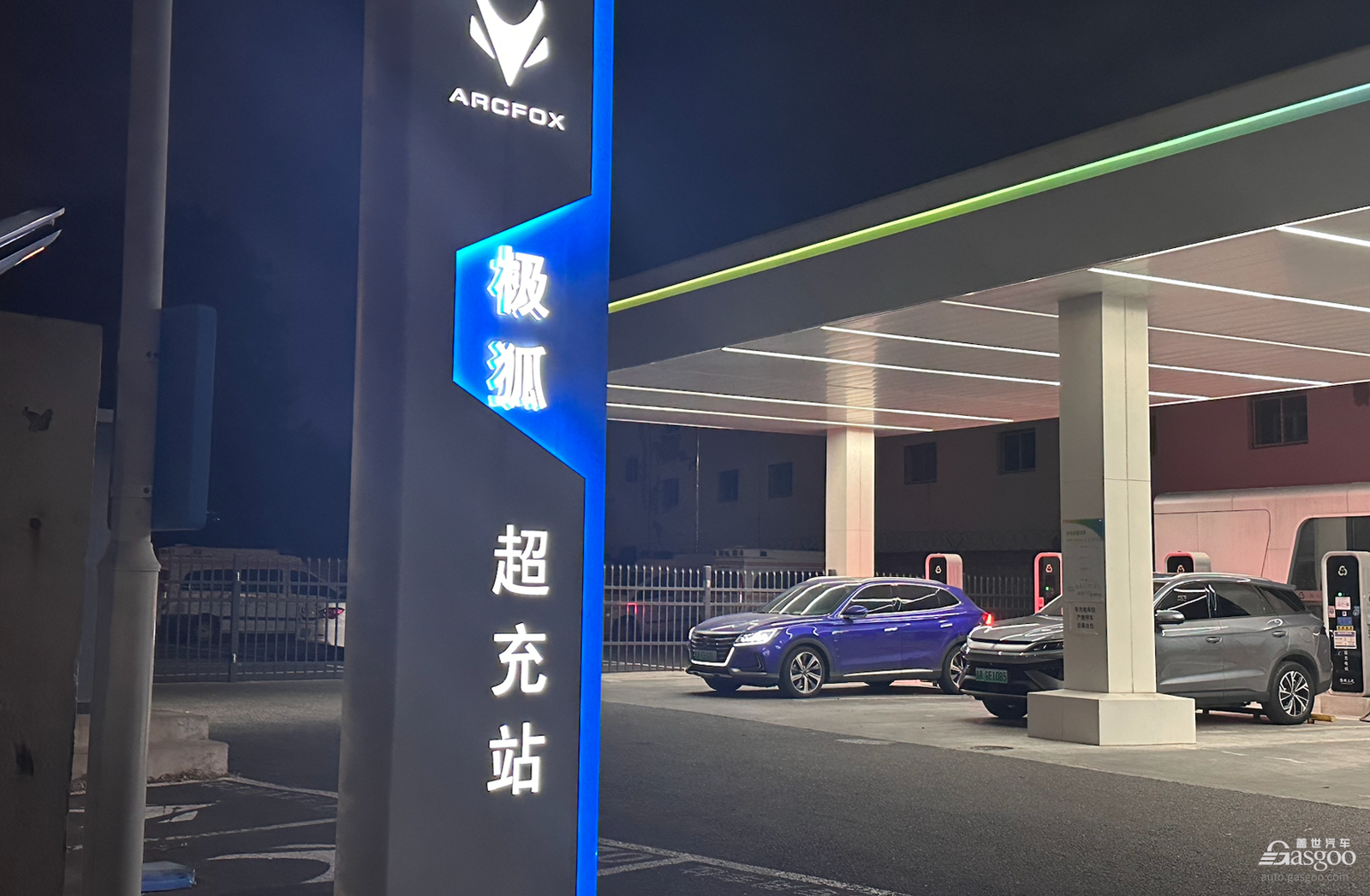
Charging infrastructure is still growing. By the end of September 2026, China had 24.777 million charging points, up 37.2 per cent year on year, including 5.207 million public points, up 16.3 per cent. But new installations are slowing. From January to August, 443,000 public chargers were added, down about 39.9 per cent from a year earlier.
Modules account for roughly 40 to 50 per cent of the hardware cost of a direct-current charger. Mainstream module prices have fallen from about RMB 0.10 per watt to RMB 0.05, and industry gross margins have compressed from 25 to 30 per cent to below 10 per cent. Some smaller makers of standard low-end products are already below break-even.
Input costs are moving the other way. Since the start of 2026, printed circuit boards, silicon carbide chips, resistors, capacitors, relays and copper and silver have all risen. Shijiazhuang Tonghe Electronics says the bill of materials for mainstream modules, excluding assembly and connectors, is up 19 to 27 per cent. UUGreenPower swung from profit to loss in the first quarter, and Tonghe Technology stayed in the red despite revenue growth. Several module makers sent price increase letters in 2026, raising ex-factory prices across their ranges by 15 per cent.
The operator’s squeeze
Operators face a harder calculation. Public charging service fees have been pushed to around RMB 0.20 per kilowatt hour, with some off-peak member rates lower and short periods of zero-fee promotions used to attract drivers.
Using an industry sample, a fast-charge site with 20 bays and 1,200 kW of total power needs about RMB 1 million upfront. Equipment depreciation adds RMB 0.20 per kilowatt hour, site costs RMB 0.10, and platform, maintenance and marketing another RMB 0.10, so the service fee must exceed RMB 0.40 to break even. Market quotes have stayed below that line for a long time.
From January to May 2026, public charger utilisation sat between 5.13 and 6.12 per cent, against an estimated breakeven range of 10 to 15 per cent. State broadcaster research found more than 80 per cent of operators lose money. Low utilisation and service fee competition are the core reasons.
That raises a practical question for buyers. Once a manufacturer has cut costs, will its stated power hold up in real conditions, and how can an operator tell that the equipment will keep meeting its rating over time?
Editor’s note: This is an adapted translation of the original Gasgoo report. It has been trimmed and restructured for readability for an international business audience. The full original (in Chinese) is at https://auto.gasgoo.com/news/202611/21I70478716C501.shtml.