For steer-by-wire technology, 2026 is a year when both regulation and products broke through. A new national standard removed the mandatory clause that a steering wheel must keep a mechanical connection to the wheels. Flagship models then made the technology a centrepiece of their launches. The result is a familiar contrast: high visibility, low penetration.
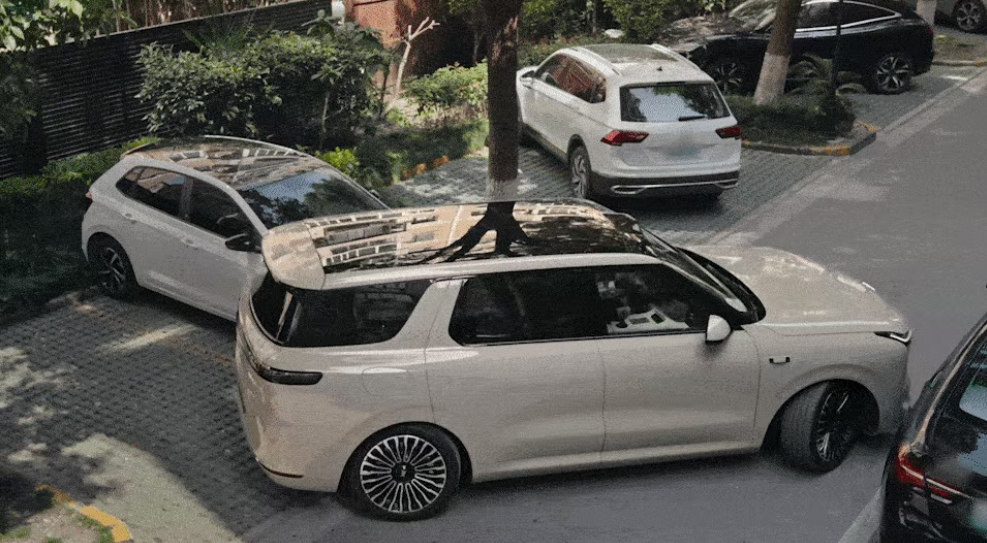
Industry estimates put 2026 steer-by-wire installations at about 420,000 vehicles, roughly 2.2 per cent of the passenger car market. The technology remains concentrated in flagship models, and reaching scale means moving down into more affordable segments.
The rule change
In the middle of 2026, the mandatory national standard GB17675-2025 on basic requirements for vehicle steering systems took effect. It deleted the clause requiring a mechanical link between the steering wheel and the wheels. SAIC led the drafting, with NIO, the China Automotive Technology and Research Center, Li Auto and XPeng among the co-authors.
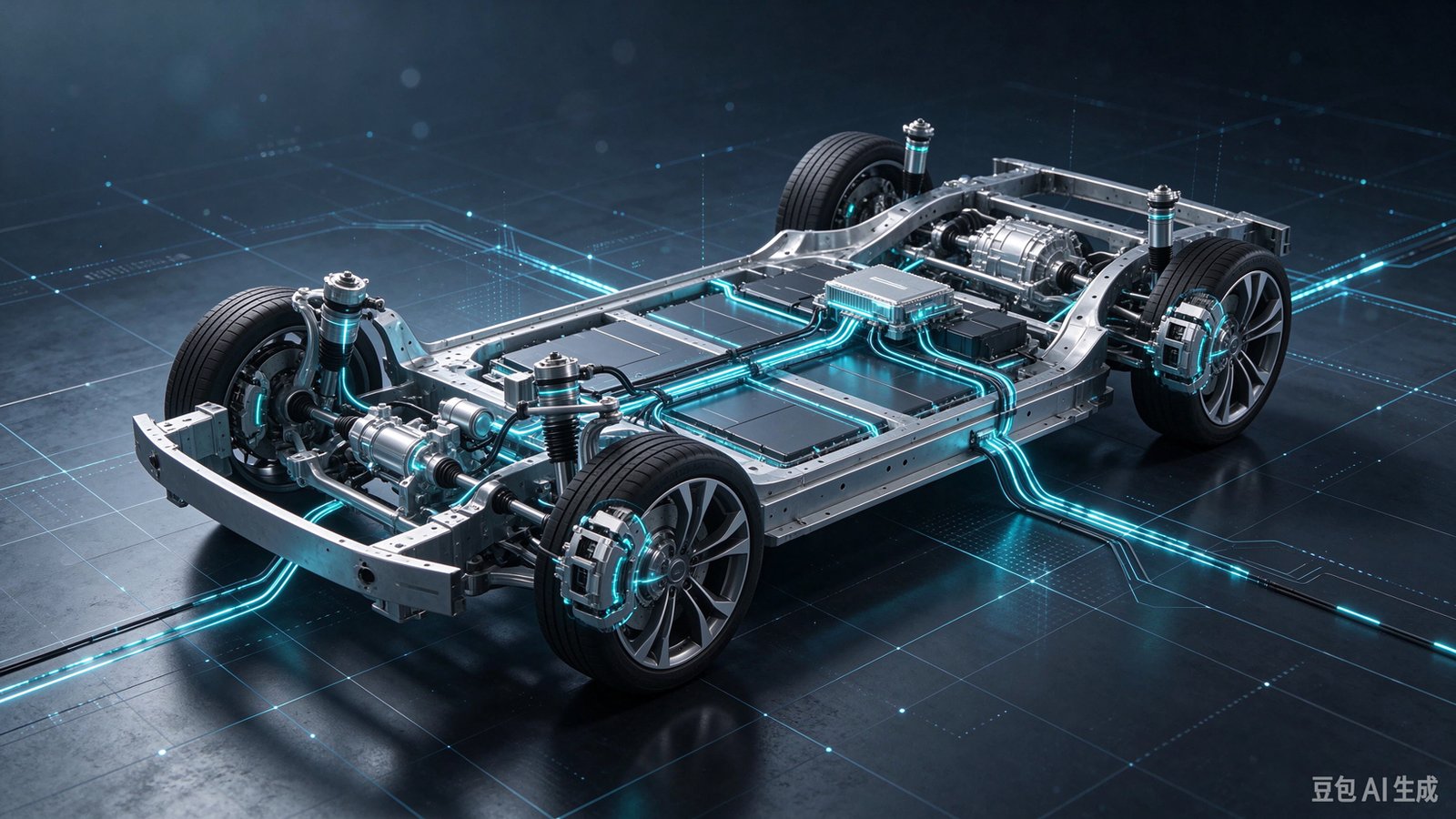
With the mechanical link gone, the driver’s steering input is converted into an electrical signal and sent to motors at the wheels. Control precision can reach the 1 to 10 millisecond range, far above what a conventional electric power steering system achieves through a mechanical shaft. The change also frees space under the cabin and removes the risk of a steering column moving into the passenger area in a frontal impact.
The cost is a sharp rise in system complexity. Fail-safe operation requires dual or multiple redundant power, communication and actuation systems. Meeting the highest ASIL-D functional safety standard means long validation cycles and heavy research spending.
Cost is still falling, but slowly
The China Society of Automotive Engineers sets a 2025 cost target below RMB 4,000 for steer-by-wire and RMB 2,500 to 3,000 by 2030, when penetration could reach 30 per cent. Industry estimates put China’s intelligent chassis market at RMB 107.86 billion by 2030, of which steer-by-wire would be RMB 22.91 billion, with penetration rising from 5 to 30 per cent.
But falling cost and cost low enough for standard fitment on a RMB 250,000 car are different things. The supply base is concentrated. In 2025, Bosch, ZF and Nexteer together held more than 57 per cent of the global steer-by-wire market, with Bosch at about 22.8 per cent. Nexteer is the only Tier 1 with scaled steer-by-wire production among China-linked suppliers and is expected to hold about 35 per cent of the Chinese market in 2026.
Analysts say domestic substitution in steer-by-wire is slower than expected, and Nexteer’s position could last until 2030. Zhejiang Shibao’s first production programme is due in the second half of 2026, while Bethel is pursuing an earlier brake-by-wire push before steer-by-wire.
Some 2026 models do offer full steer-by-wire as standard around the RMB 200,000 to 250,000 level. IM Motors’ chief technology officer Xiang Jiao said the price was possible because the company’s own industrial system lowered costs. That points to a partial breakthrough by individual manufacturers rather than an industry-wide supply base ready at scale.
Editor’s note: This is an adapted translation of the original Gasgoo report. It has been trimmed and restructured for readability for an international business audience. The full original (in Chinese) is at https://auto.gasgoo.com/news/202611/19I70478537C108.shtml.