XPeng has set its 2026 AI Day for 25 November in Guangzhou under the theme Origin. One of the headline releases will be Turing AI Co-Driving, which the company calls the first systematic extension of assisted-driving capability into scenarios where a human is still driving.
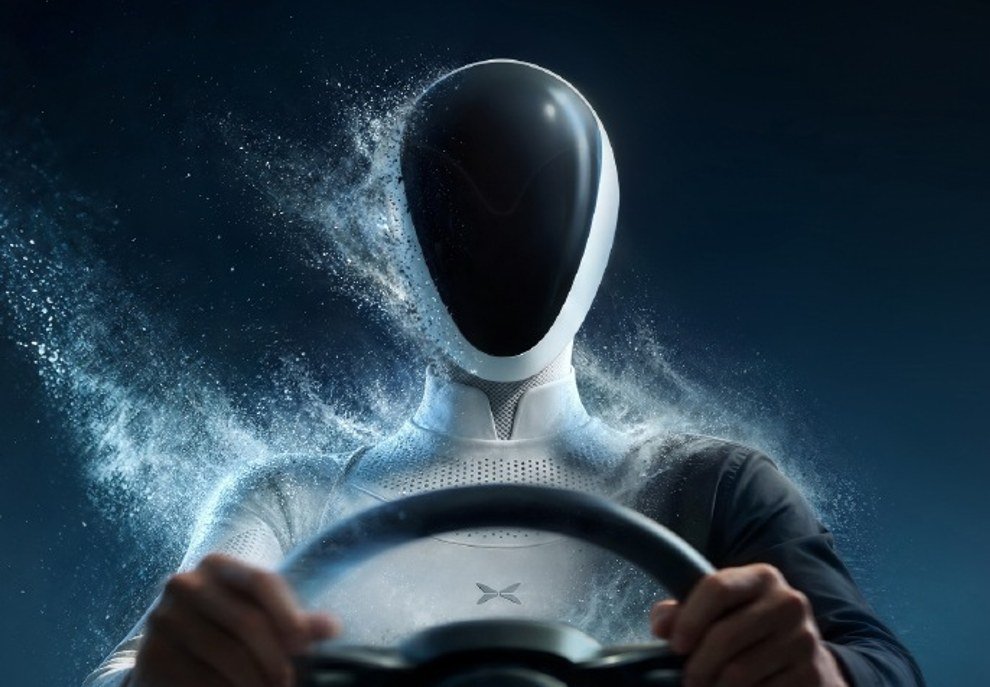
The first function is a brake pedal
The initial application is VLA adaptive deceleration. When the driver lifts off the accelerator, a background vision-language-action model assesses the road ahead and smoothly adjusts braking force. It works without navigation assist being switched on. The stated aim is to remove the dragging sensation during coasting and deceleration, and to reduce motion sickness.
On energy use, XPeng’s own figures show usable range rising 12.4 per cent in congested city driving when the function is on, compared with energy recuperation being disabled. The company says the gain comes from the system anticipating road conditions in its recovery strategy, not from simply increasing regeneration strength. The first models to receive it are the G9L and MONA L05, with a wider roll-out to follow.
A chip the company builds itself
The technical base is XPeng’s full-stack in-house Turing AI chip and its VLA model, short for vision, language and action. By August 2026, more than 200,000 Turing chips had shipped. On the wider strategy, XPeng has marked 2026 as the year physical AI moves into commercial use, and it has already supplied the VLA model to partners including Volkswagen for jointly developed vehicles.
The move is modest in physical terms. A model decides how hard to slow a car when the driver eases off. It is significant in commercial terms because it puts an AI model into a function that happens on every urban journey, without requiring the driver to engage a driver-assistance system. That is a much larger data surface than a highway feature used occasionally.
Editor’s note: This is an adapted translation of the original Gasgoo report. It has been trimmed and restructured for readability for an international business audience. The full original (in Chinese) is at https://auto.gasgoo.com/news/202611/20I70478598C109.shtml.