On 23 October Bloomberg reported, citing people familiar with the matter, that Beijing robot company Songyan Dynamics had filed confidentially for a Hong Kong initial public offering aiming to raise several hundred million US dollars. A listing could come as early as next year. Discussions are continuing and size and timing may change. The company has not commented.
Songyan was founded in 2023 by a team drawn from Tsinghua and Zhejiang universities. Its founder and chairman Jiang Zheyuan was born in 1998, entered Tsinghua’s electronic engineering department ranked 28th in Beijing in the national entrance exam, then dropped out in his third year of doctoral study to start the company.
At a moment when the industry is shifting from technology demonstrations to delivery, a company tagged with a young founder, a Spring Festival Gala appearance and CATL-linked capital is worth reading carefully. The question is no longer whether it can list. It is whether its orders, capacity, cash flow and governance survive disclosure. A filing is less a celebration than a stress test that puts prototypes, orders and production capacity on the same statement.
Industrial capital, ten thousand units, and a late brain
Most people know Songyan from the 2026 CCTV Spring Festival Gala, where its bionic robot Xiaobumi and bipedal robots appeared in a sketch. Brand awareness followed fast. Xiaobumi became the top-selling humanoid on JD.com’s category, and offline enquiries rose.
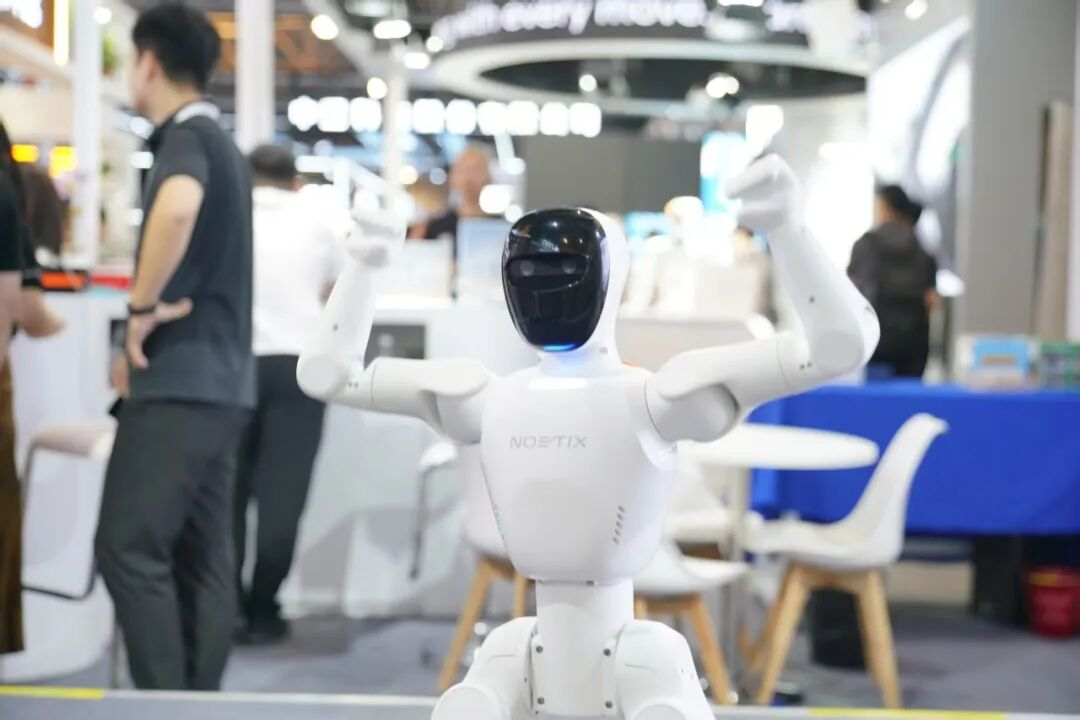
Traffic is not revenue, and orders are not deliveries. Consumer humanoids remain a category that needs continuous validation. Users will pay for novelty, but not necessarily a long-term premium for immature features. Songyan has to show that the attention converts into repeat purchase, reputation and a service system that holds.
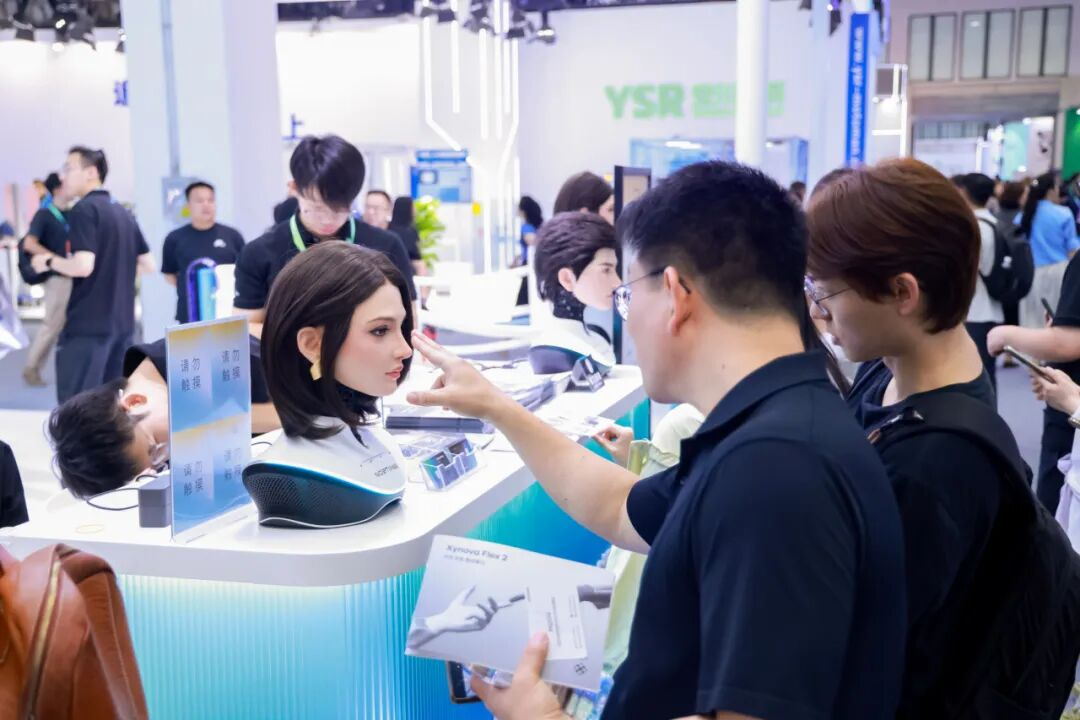
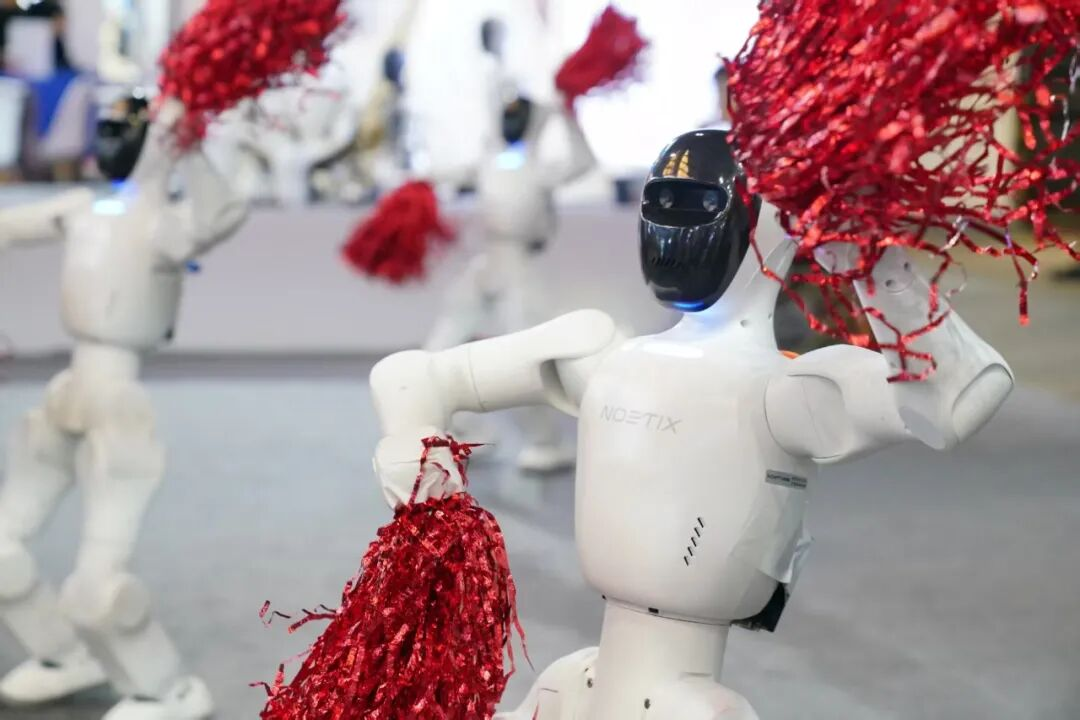
The product line now spans N-series and E-series bipeds, a bionic head called Xiaonuo, and the ten-thousand-yuan Xiaobumi. Bumi stands 94cm, weighs 12kg, carries more than 21 degrees of freedom, walks, runs, dances and holds a conversation, and is positioned as a companion and educational device for the home. The intent is to drag a category that used to cost tens of thousands of yuan into mass retail.
The commercial logic is not complicated. Push the price down to open demand, then let scale dilute supply chain and manufacturing cost. Price is only the ticket. What decides the loop is yield, consistency and after-sales response.
Jiang’s stated goal for 2026 is volume delivery of 10,000 Xiaobumi units, so that ten thousand units reach ten thousand different homes. Public reports put cumulative deliveries above 5,000 as of September 2026, with close to 2,000 units in B2B orders.
Behind a ten-thousand-unit target sit line ramp-up, inventory build and sustained cash burn. That makes the funding cadence a way to read delivery capability. Songyan has completed angel, A, A-plus, Pre-B, Pre-B-plus and B rounds, nine in total. In March it closed a B round of close to RMB 1 billion led by Chendao Capital, the industrial investment platform tied to CATL, with Guoke Investment, Jiuhe Venture and Beijing Industrial Investment participating. In February it converted to a joint stock company, renamed Beijing Songyan Dynamics Technology Group, in preparation for capital markets work.
The shareholder base now mixes industrial capital, government guidance funds and market VC and PE. That structure buys patience with a long horizon, but patience is not infinite. Capacity utilisation, delivery rhythm and cash flow improvement still have to appear.
The more interesting gap is the brain. Songyan started as a hardware company, and its early intelligence leaned on outside suppliers. Dialogue understanding, instruction decomposition and task planning were routed to third-party foundation models. In September 2026 it published its own stack: the Scalabot embodied technology system, the HERON world model and the CRA reinforcement action model.
Body first, brain second has an advantage. The team knows motors, torque and hardware latency from the inside, and having software and hardware from one house reduces adaptation losses. The risk is that two expensive development lines compress the delivery schedule.
Competition in humanoids is moving from who can produce a motion to who can complete work reliably. The valuation anchor is moving with it, from narrative tension to delivery density. Songyan has chosen the bottom-up path, heavy assets and slow variables, which tests engineering organisation and supply chain management as much as fundraising.
A Hong Kong listing would give Songyan more capital and stricter public scrutiny at the same time. Backflips on stage and a gala sketch win applause. Public markets want to know whether the next robot ships on time, runs stably, and enters homes and commercial sites repeatably. The filing moves the exam from the stage to the exchange. What sets the valuation is whether the next few quarters produce a growth curve that can be verified.
Editor’s note: This is an adapted translation of the original OFweek report. It has been trimmed and restructured for readability for an international business audience. The full original (in Chinese) is at https://robot.ofweek.com/2026-10/ART-898890-12003-30708674.html.