A solid-state battery project with RMB 8 billion of committed capital began production in Kunshan, Jiangsu, on 21 October. The first phase is 10GWh of solid-state power battery capacity, built by Qingtao Power Technology, a joint venture between SAIC’s Huayu Automotive Systems and Qingtao Energy Development Group.
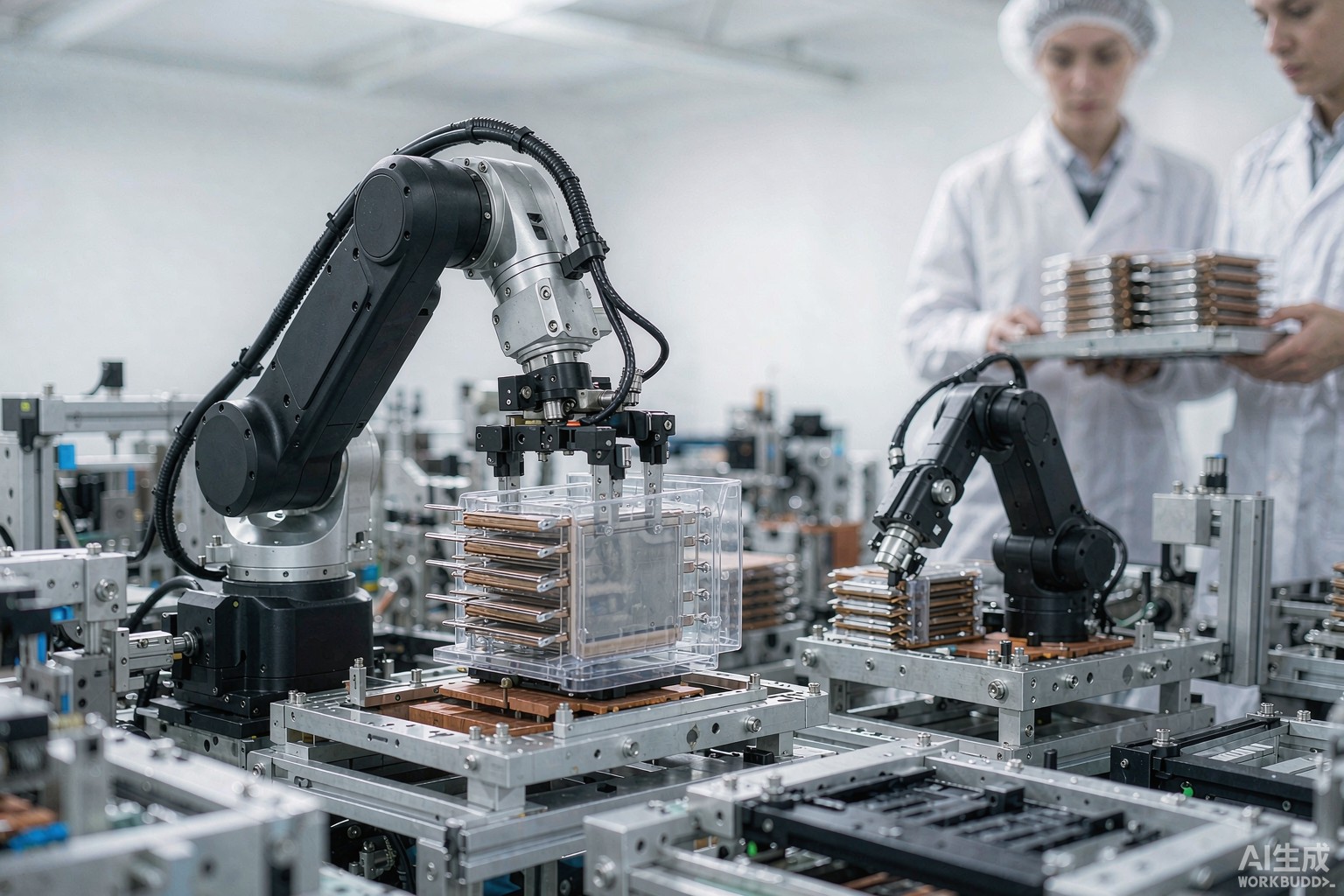
The plant exists to serve one customer. Its output is earmarked for SAIC’s new energy vehicles, and the technology developed by the two partners is already fitted to models in production rather than sitting in a demonstration programme.
The order book is the story
Qingtao Energy is tightly bound to SAIC, which indirectly holds 14.24 per cent of the company. The prospectus filed with the Hong Kong exchange in April sets out expected SAIC order volumes of about 60,000 packs in 2026, 500,000 in 2027 and 780,000 in 2028, with the number of SAIC models using semi-solid cells rising sharply in the last two of those years.
Capacity has been coming in stages. In March, a first-phase 3.5GWh solid-state line in Taizhou, Zhejiang, entered production with two further lines planned to reach 10GWh. In May, a 20GWh solid-state cell and system zero-carbon base was signed in Hohhot, Inner Mongolia, at RMB 5 billion of investment, projected to produce RMB 12 billion of annual output value and RMB 1 billion of annual profit at full capacity.
Cheaper than the chemistry suggests
Qingtao topped the 2026 China solid-state battery competitiveness ranking compiled by EVTank and three other research bodies, on the strength of what was described as the largest global shipment volume in the category, and a valuation that has reached RMB 27.9 billion.
The commercially meaningful numbers are less glamorous than the solid-state label. The company’s semi-solid lithium iron phosphate cells are quoted at a cycle life of 12,000 cycles, and in late 2025 it won a 100MW independent storage project in Wuhai, Inner Mongolia, at a system price of RMB 0.55 per watt-hour. That is a storage bid, not a premium car battery, and it is where semi-solid is actually being paid for.
The lesson from this plant is about structure rather than chemistry. Solid-state capacity is arriving attached to a captive customer with a published order schedule, which removes the demand risk that has stalled every previous generation of battery start-up.
Editor’s note: This is an adapted translation of the original Gasgoo report. It has been trimmed and restructured for readability for an international business audience. The full original (in Chinese) is at https://auto.gasgoo.com/news/202610/26I70475792C501.shtml.