Agility Robotics expects to raise about USD 465 million through a SPAC merger and to start trading on Nasdaq on 5 November under the ticker AGLT, at a valuation of USD 2.5 billion. That would make it the only listed pure-play humanoid robot company in the United States with an active commercial deployment.
The same week, China’s embodied AI queue moved the other way. AgiBot paused its Hong Kong listing. Weiyi Zhizao halted three days before its debut. Songyan Dongli filed and now faces questions about the structure of its revenue.
The anchor is a customer list, not a forecast
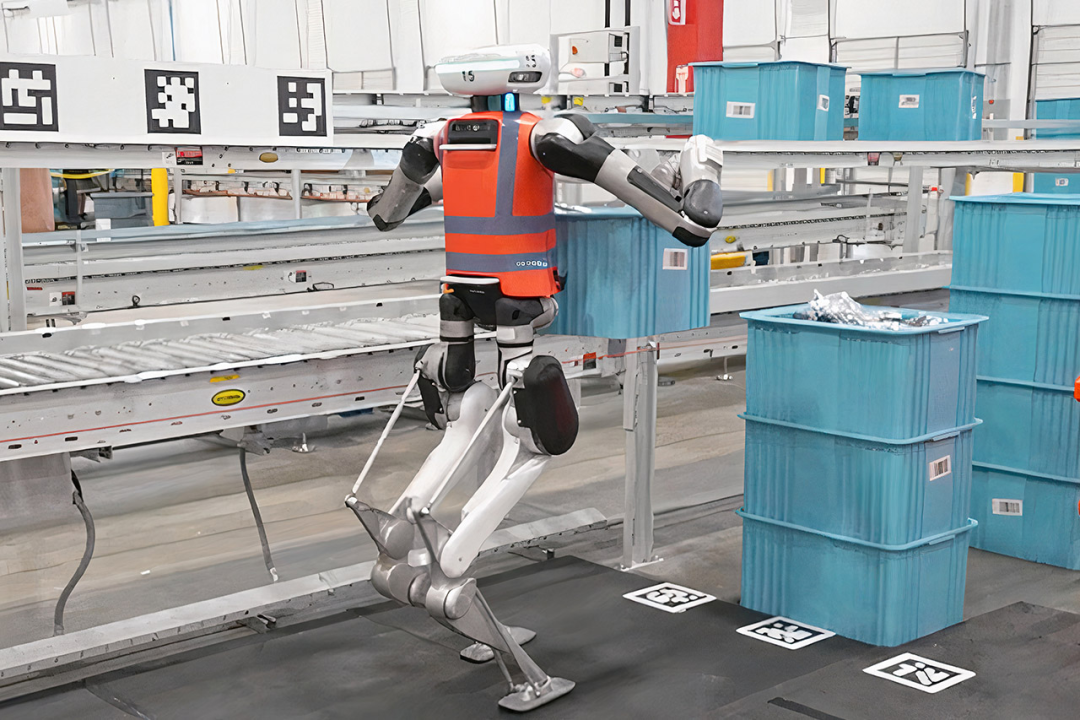
Agility is not selling a story about changing the world. It is selling a list of customers who pay. GXO Logistics runs Digit in live logistics warehouses on a robots-as-a-service contract, the first paid commercial deployment of a humanoid anywhere. Three more paying manufacturing customers are in progress, alongside an active pipeline of more than 30.
Digit 5 carries more than USD 300 million of multi-year orders. The fleet has logged over 65,000 operating hours and moved more than 100,000 logistics totes.
That is a different pricing anchor from a conventional IPO. A SPAC does not force the company to lay out revenue structure and gross margin for interrogation in the way a traditional listing does. What goes public is a validated commercialisation schedule.
The USD 2.5 billion is the market paying for box handling, not for a general-purpose worker.
Why the two paths diverged
Chinese humanoid builders are taking the IPO route, which anchors on disclosed revenue structure and going-concern quality. AgiBot’s RMB 50 billion valuation was negotiated in the private market. In public markets the questions change. How much of that revenue is related-party. How much of it repeats.
The hesitation at Weiyi Zhizao suggests those questions are not easy to answer at the moment.
This gives the sector a clean test. If Agility trades steadily after listing, it proves public markets will pay a respectable multiple for verifiable paying customers even without profit. If it breaks issue, the message is that pure humanoid robots still cannot be priced publicly, and the valuations of the Chinese companies waiting in line need marking down together.
The opening print on Nasdaq on 5 November will answer a question no industry report can. Not what a humanoid can do. What capital will pay for one that already works.
Editor’s note: This is an adapted translation of the original OFweek report. It has been trimmed and restructured for readability for an international business audience. The full original (in Chinese) is at https://robot.ofweek.com/2026-11/ART-898890-12001-30709734.html.