Canchen Tech raises tens of millions to build AI ‘virtual organs’ for drug testing

Canchen Tech (CANCHEN TECH) has closed a seed-to-angel series of rounds worth tens of millions of yuan, with investors including Orient Securities Capital, SongHe Capital, Tsinghua-based funds and TusStar, the company told Leiphone. It is building a system-level virtual-organ simulation platform — digital twins spanning molecule, cell, tissue and organ — to replace parts of … Read more

Xiaomi’s MiMo bet: why a hardware company is still paying for a base model

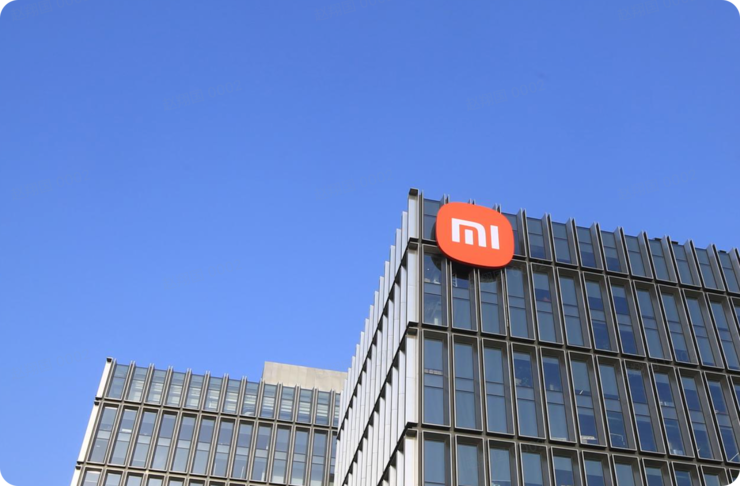
Xiaomi has reorganised its AI around MiMo, its in-house base model, folding the XiaoAI assistant’s tech into three pillars: the MiMo model team led by Luo Fuli, cloud engineering under Luan Jian, and on-device OS work pushed into the phone business. The move matters because MiMo is no longer an optional model. As Xiaomi’s ‘human-car-home’ … Read more

The EU AI Act starts fining. China’s model makers face a new gate.

Three tiers of pain The penalty structure runs in three bands. Use of banned, unacceptable-risk AI can draw up to 35 million euros or 7 per cent of global annual turnover, whichever is higher. Most compliance and regulatory breaches, including those for general-purpose model providers under Article 101, reach 15 million euros or 3 per … Read more

From 1% to 69%: how US startups came to depend on China’s open models

From 1% to 69% Citing the ATOM report, the essay notes that Alibaba’s Qwen rose from about 1 per cent of new open-model fine-tuning and adaptation in January 2024 to 69 per cent by February 2026. The US still holds the lead in closed systems from OpenAI, Anthropic and Google, but its startup ecosystem has … Read more

Phone chips are slumping: Qualcomm and MediaTek shipments both fall more than 25 per cent

Counterpoint Research reports that global smartphone SoC shipments fell 15 per cent in the first half of 2026, hit by surging memory prices, cautious inventory control and longer replacement cycles. MediaTek held the top share at 32 per cent, Qualcomm was second at 22 per cent, Apple 19 per cent, UNISOC 13 per cent and … Read more

China’s open-source AI models top the global usage charts

Calls and downloads ‘Calls’ mean individuals who lack local deployment pay per token to use a model online. ‘Downloads’ are organisations, banks, governments and energy firms pulling models in to embed in their own systems, the core ‘AI plus’ indicator, and China leads there as well. Across Africa, with 1,500 to 3,000 languages, many local-language … Read more

Huawei’s chief semiconductor scientist breaks his silence and praises DeepSeek’s Liang Wenfeng

The forerunner’s bet Liao frames the past 30 years as two vertical lines, the processor line from CPU to AI and the connectivity line from telephone to mobile network, with a counter-intuitive proposition: the more successful and monopolised the application layer, the more the underlying chip withers, because a dominant customer sets direction and a … Read more

The US robot ban: who is it really protecting?

The US has issued another ban, this time aimed at robots. On 29 July the Federal Communications Commission placed foreign-produced advanced mobile robots on a controlled list, effective immediately, with exceptions only for products granted conditional approval by the US Department of War. Two words matter: ‘foreign-produced’ and ‘advanced robot equipment’. The FCC defines the … Read more

XtalPi launches an ‘operating system’ for AI-driven science

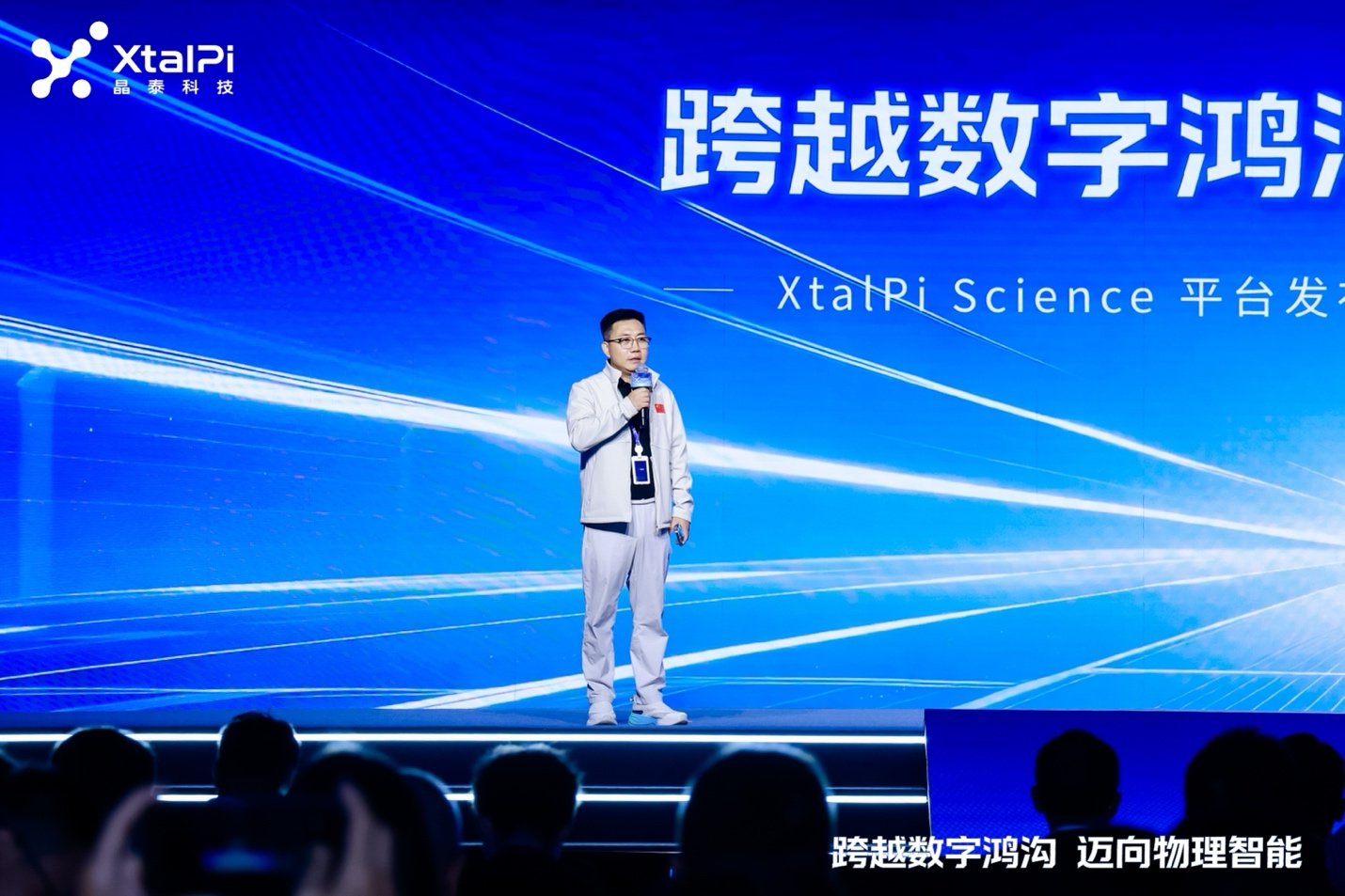
XtalPi Science is billed as the world’s first AI-for-Science platform integrating LLMs, agents and automated experiment robots, packaged as on-demand ‘Science Tokens.’ Genius Agents orchestrate cross-disciplinary long-horizon tasks, cutting hallucination and closing a loop from digital hypothesis to physical verification. The failure-data edge XtalPi’s chief scientist Zhang Peiyu notes the platform’s rarest asset is failure … Read more

ByteDance folds Feishu into Doubao as BAT race to own the enterprise AI front door

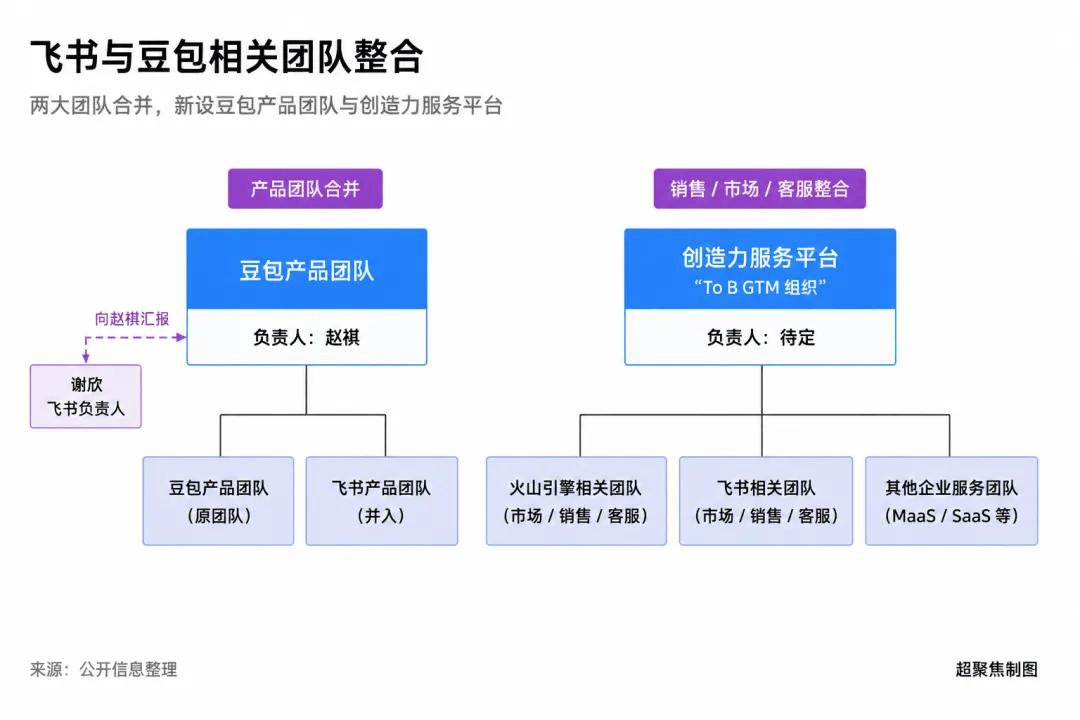
Not alone Alibaba and Tencent moved within weeks. Alibaba consolidated three agent lines, QoderWork, Wukong and MuleRun, under QoderWork, led by DingTalk’s Chen Yusen. Tencent moved QClaw into the unit that houses WorkBuddy. All three stopped internal horse-racing and converged on one AI front door. Why the rush On the surface it is cost control. … Read more