Chinese carmakers sold more cars in Europe than their Japanese rivals did in a single quarter for the first time, according to Dataforce figures reported by Bloomberg. The shift is small in absolute share and large in meaning: it is the first time the Japanese industry, present in Europe for six decades, has been displaced by an industry that arrived with volume five years ago.
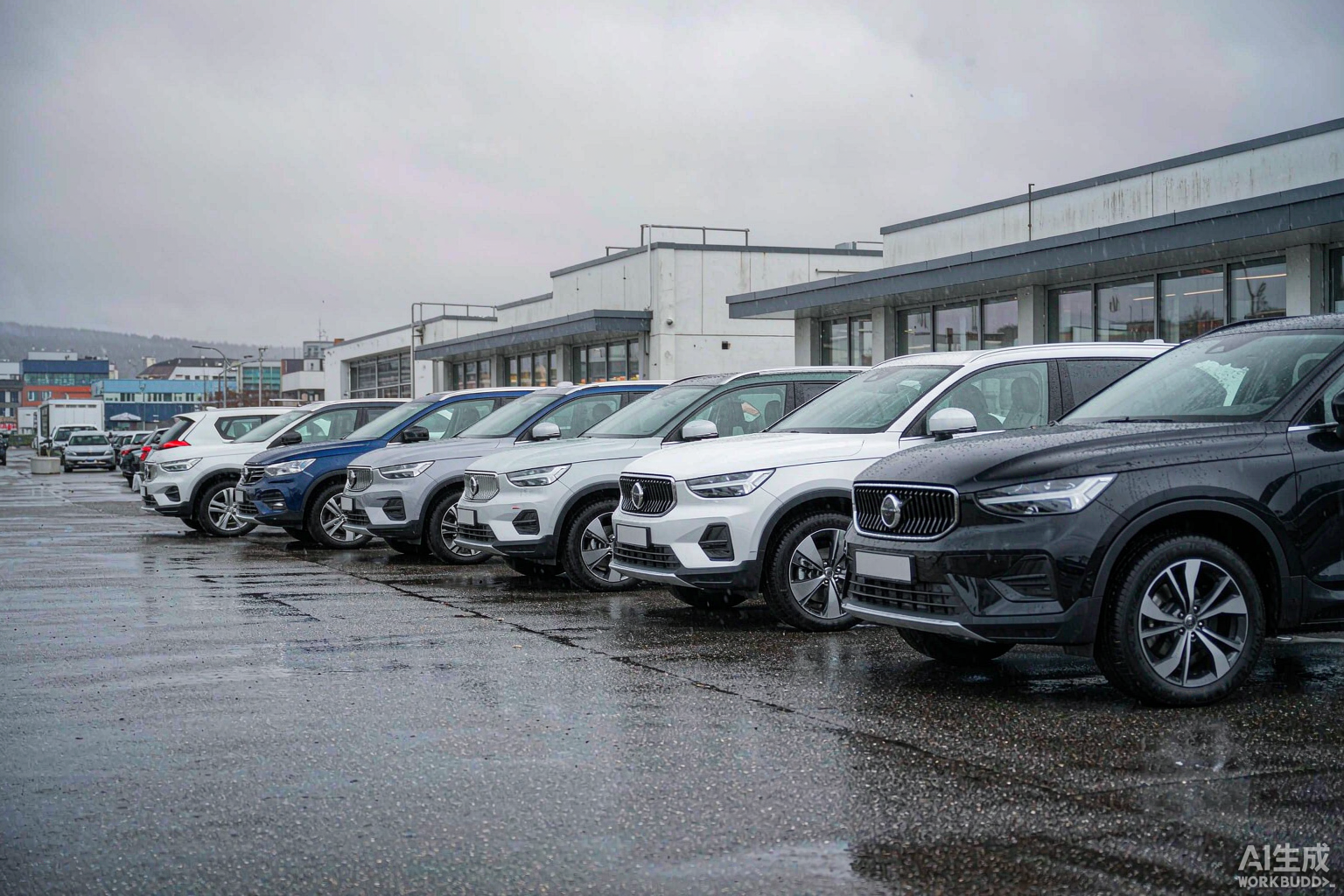
Chinese brands took 12.7 per cent of European registrations in the third quarter, against 11.9 per cent for Japanese brands combined. Registrations almost doubled year on year, with hybrids doing most of the work. Momentum accelerated into the quarter’s end: September share reached a record 14.5 per cent, nearly three points above August.
The base makes the slope clearer. Five years ago Chinese brands held around 1 per cent of the European market. Toyota has sold cars in Europe since 1963 and runs plants across the continent. Nissan has built in Sunderland since 1986.
The UK leads
Britain is where the change is most visible. Chery’s Jaecoo 7 SUV took the top spot in the monthly model rankings in both March and September. Volkswagen and Renault still lead the market overall, but the pace of Chinese gains has run ahead of forecasts.
The pressure on European incumbents is twofold. In China, their largest single market, local buyers are moving to domestic brands that bring models to market faster and cheaper. At the same time, shrinking domestic demand is pushing BYD and its peers to look harder for volume abroad, which is exactly the wrong combination for European manufacturers already carrying excess capacity.
Product plans have followed. Chery, BYD and Geely’s Zeekr showed new models at the Paris motor show this month, including the Dolphin G DM-i, a compact plug-in hybrid developed for Europe. Bringing electric line-ups into the region has also let them capture demand driven by record fuel prices.
Brussels is building the countermeasure
The EU is trying to slow the expansion. Having added duties on China-built battery-electric cars, it reached agreement in principle this month on limiting fast-growing Chinese hybrid imports. A further proposal would tie part of the corporate vehicle tax relief to European production, a powerful instrument in markets such as Germany where company and fleet purchasing dominates.
Mercedes and others welcome the direction while warning that local-content rules will reshape global supply chains and raise costs. Countries that export vehicles and parts into the EU, including the UK, Turkey and Morocco, would feel the local-manufacturing clause directly.
Chinese carmakers have already started building their way around it. Chery is preparing a plant in Barcelona. BYD’s Hungarian base is close to completion. Leapmotor, through its Stellantis joint venture, is already producing the B10 SUV at Stellantis’ Zaragoza factory in Spain.
The share number is the headline. The factory list is the actual story, because a tariff applies to an import and nothing else.
Editor’s note: This is an adapted translation of the original Gasgoo report. It has been trimmed and restructured for readability for an international business audience. The full original (in Chinese) is at https://auto.gasgoo.com/news/202610/27I70476008C110.shtml.