In advanced manufacturing, the quiet knowledge accumulated on a production line often matters more than a patent. That is also where enterprise AI is starting to prove its value.
Why manufacturing know-how walks out the door
In December 2022, as TSMC held a ceremony for its first equipment in Phoenix, Arizona, then-US president Joe Biden stood beside Morris Chang, Apple’s Tim Cook, Nvidia’s Jensen Huang and AMD’s Lisa Su. The message was that American manufacturing was returning. The economics were harder. TSMC estimated a comparable Arizona fab costs four to five times a Taiwan plant. It mapped 18,000 compliance rules across city, county, state and federal levels, spending USD 35 million on compliance alone. More than 500 engineers were flown in from Taiwan, and nearly 600 local engineers were sent there for training. The four-nanometre line slipped repeatedly, and gross margin per wafer at the Arizona fab fell to 8 per cent, under one seventh of the Taiwan operation.

Manufacturing moves with cost, but what leaves with it is know-how: the judgement of which process fails first, where to look when a fault appears, how to hire quickly in peak season. Some of it lives in engineers’ heads, some in drawings, logs and repair records. Capturing that knowledge as reusable rules is where AI shifts from a personal productivity tool to an organisational asset.
The numbers behind the product
According to official data, Doubao Work reached annual recurring revenue of RMB 2 billion and 8 million daily active users by 18 November, three months after launch. The growth is not a wave of individual curiosity. Companies are putting AI into line management, equipment maintenance and quality review.
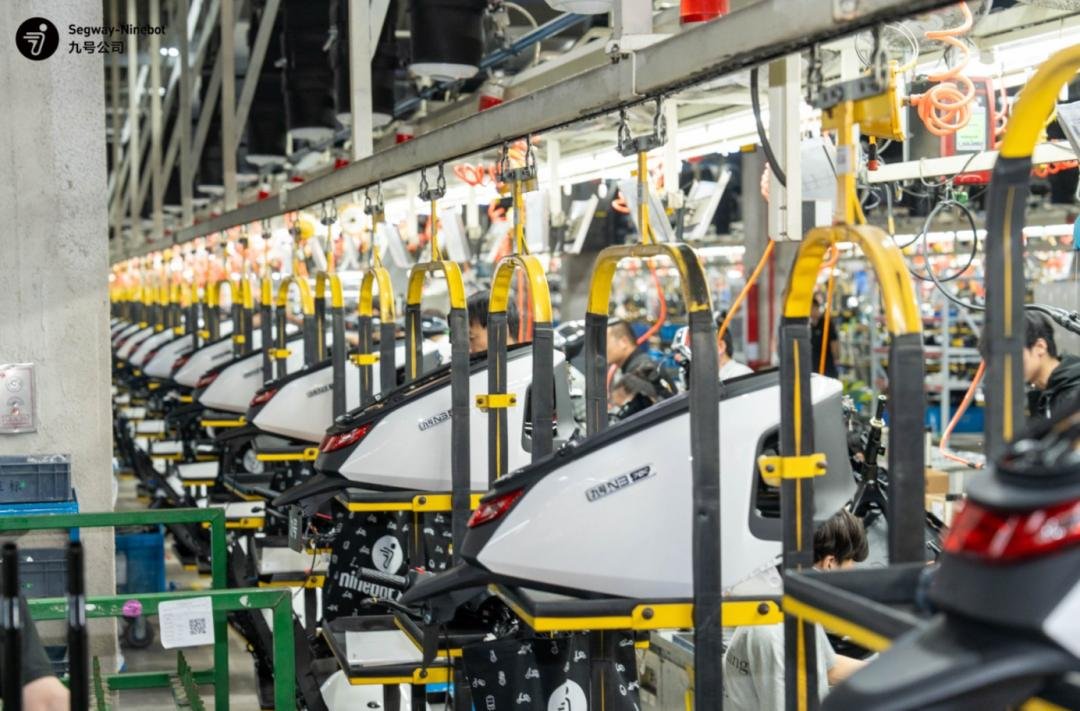
At Ninebot’s Changzhou plant, eleven lines run at once and a smart electric two-wheeler is assembled every 36 seconds. A production manager used to open the manufacturing execution system, shared drives and work groups, then reconcile sixteen spreadsheets each day. Two clerks spent twenty to thirty minutes each merely comparing attendance records. After the team built a dashboard with Doubao Work, the standard times and headcount per model were entered once and efficiency calculated automatically. One line leader complained of selecting the same product series a dozen times a day, so a memory function was added to keep the last choice. Every operator now sees live output on a screen at the line head, and on a phone while walking the floor.
Fixing the information puzzle
At Bosch’s China research division, an engineer handling a fault might follow more than a dozen chat groups, pulling diagnostic screenshots, fault codes and test conditions from different windows before writing a standard problem description. A recurring problem is that knowledge is hard to archive when project tempo is high, so it stays with senior engineers and leaves when they transfer.
The team configured Doubao Work to detect fault-related messages and copy them into a dedicated topic group, without changing how customers communicate. An AI partner assembles the scattered context into a structured description and drafts a report against a standard template, logging everything back to the source conversation. The whole workflow took a little over a week to build, and the AI partner one day to onboard. Some fifty to sixty real reports have since run through it, with the standardised first draft about 70 to 80 per cent complete. Root-cause calls, verification plans and customer wording remain with engineers.
Ninety per cent, not one hundred
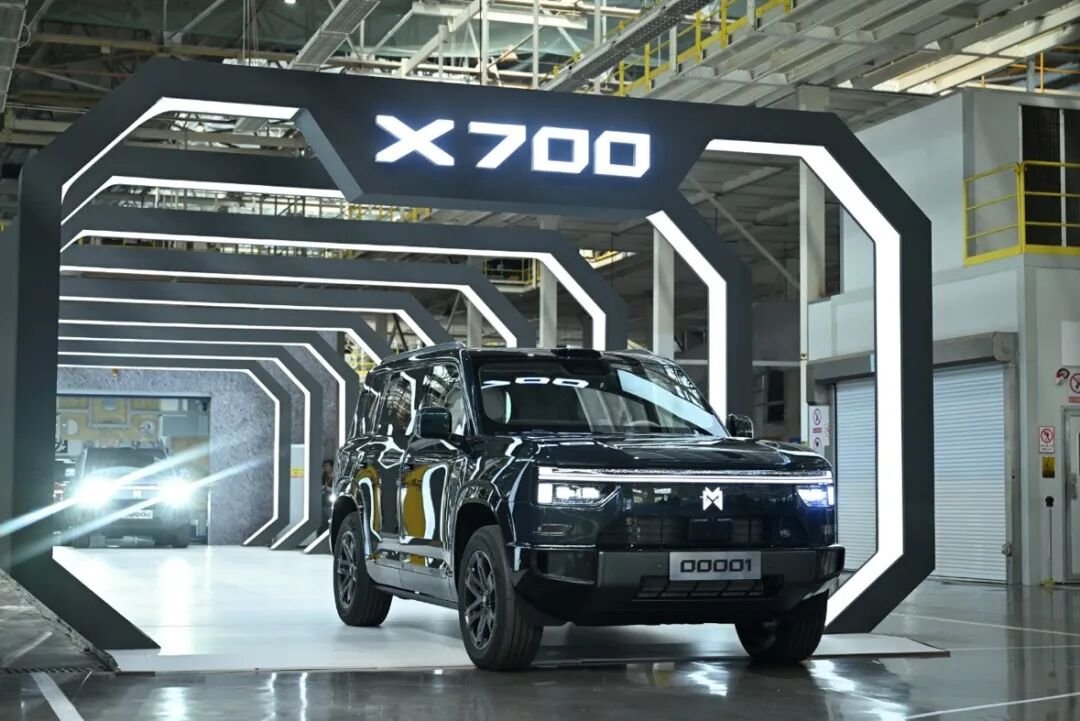
At M-Hero, Dongfeng’s premium electric off-road brand, production-part approval means checking a dozen to thirty-plus documents per supplier across more than 300 suppliers and about 2,000 parts, over 30,000 files in total. Each report contains dozens of measurements and used to take 20 to 40 minutes, so full coverage stayed under 10 per cent. One bumper gap report listed 4.02 millimetres against a 2.0 to 4.0 allowance and marked OK. Another used both 437.7 and 37.7 for the same datum, a decimal slip that could cost millions if a tool were cut to the wrong size.
The team settled on a three-layer split. AI finds the measurement in the drawing and the report, including merged cells and cross-page tables. A program decides deterministically whether a value sits within tolerance. An engineer makes the final call on concession and release. Red lines such as out-of-tolerance marked pass, missing seal or missing signature reject a file outright. A document that took 20 to 40 minutes is now reviewed in under five, page by page rather than sampled. The system covers three vehicle programmes and 40 users, saving more than 1,000 work-hours a year on collection and review. The team scores it 90 out of 100, with scans, handwritten signatures and unstructured drawings still needing people.
That remaining 10 per cent is the point. AI does not replace the factory’s knowledge. It stops that knowledge from leaving with the person who holds it.
Editor’s note: This is an adapted translation of the original 36Kr report. It has been trimmed and restructured for readability for an international business audience. The full original (in Chinese) is at https://m.36kr.com/p/4076047391724416.